

Strolling down the cobblestone streets of a historic district, you've likely marveled at the intricate stone facades of century-old buildings. These structures aren't just bricks and mortar—they're living stories, testaments to craftsmanship, culture, and the passage of time. Yet, preserving them is no small feat. As decades turn into centuries, weather, wear, and the demands of modern life take their toll. Cracks form in stone walls, mortar crumbles, and structural integrity wavers. For architects, preservationists, and property owners, the challenge is clear: how do you breathe new life into these historic gems without erasing their soul? Enter a modern solution that's quietly revolutionizing historic renovations: PU stone wall panels. In this article, we'll explore how these innovative materials are bridging the gap between past and present, ensuring that our architectural heritage continues to stand tall—beautiful, functional, and true to its roots.
Before diving into the technicalities of materials, it's worth pausing to ask: why does preserving historic buildings matter? For many, these structures are anchors of identity. A 19th-century town hall might remind a community of its founding values; a centuries-old mosque could be a spiritual touchstone; a Victorian row house might evoke memories of childhood and simpler times. Beyond emotion, historic buildings often hold architectural significance—craftsmanship that's rare, if not lost, in today's fast-paced construction world. Think hand-carved stone lintels, ornate cornices, and masonry patterns that required years of apprenticeship to master.
But preservation isn't just about sentiment. Economically, historic districts draw tourism, boost property values, and foster a sense of place that modern developments often struggle to replicate. Culturally, they connect us to our ancestors, showing us how they lived, worked, and expressed themselves. When we lose a historic building, we lose a piece of that collective story.
Yet, here's the paradox: to save these buildings, we often need to update them. Modern building codes demand better insulation, fire resistance, and structural stability. Occupants expect comfort—heating, cooling, and accessibility features that didn't exist a hundred years ago. And let's not forget the practicalities: repairing or replacing original stone can be exorbitantly expensive, not to mention logistically challenging. This is where the search for alternative materials begins—and where PU stone wall panel solutions have emerged as a game-changer.
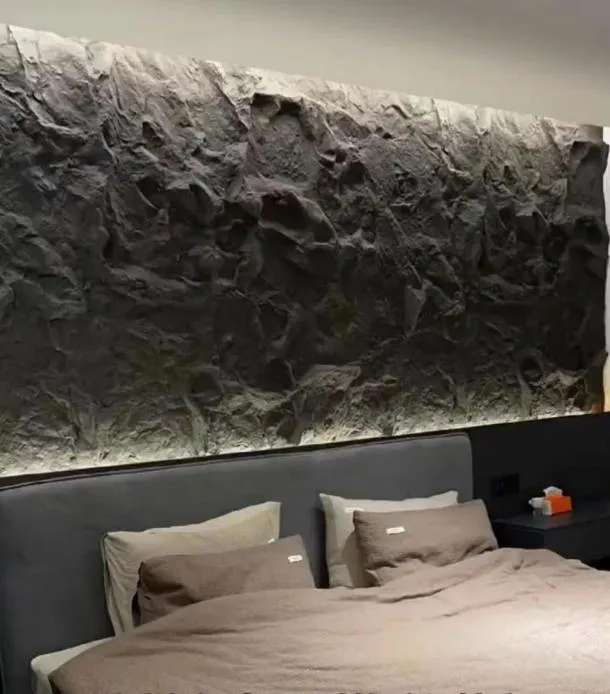
Renovating a historic building is a delicate dance. On one hand, you want to preserve the original aesthetic—the texture of the stone, the color of the mortar, the proportions of the windows. On the other hand, you need to ensure the building is safe, efficient, and viable for modern use. Let's break down the key challenges that architects and preservationists face:
Many historic buildings were constructed with thick, solid stone walls that served as both load-bearing structures and insulation. Over time, these walls can weaken, especially if water has seeped in or foundation issues have developed. Replacing damaged stone with new natural stone might seem like the obvious solution, but natural stone is heavy—very heavy. A single square meter of granite can weigh 25-30 kilograms; traditional stone veneer isn't much lighter. Adding that weight to an already compromised structure could lead to further damage, requiring costly structural reinforcements.
Historic stonework often relied on local materials—quarries that may have closed decades ago, or stone types that are now rare or protected. Even if you can find similar stone, matching the exact color, texture, and weathering patterns is incredibly difficult. A slightly different shade or texture can make a renovated section stick out like a sore thumb, breaking the visual continuity of the building's facade.
Today's building codes are stricter than ever, and for good reason. Fire resistance, energy efficiency, and accessibility are non-negotiable. Traditional stone may not meet fire ratings required for commercial use, or it may lack the insulation properties needed to reduce energy costs. Retrofitting insulation into solid stone walls is invasive and can damage historic fabric, while adding external insulation might alter the building's profile—something preservation boards often reject.
Restoring historic stonework is labor-intensive. Skilled masons are few and far between, and their time isn't cheap. Sourcing, cutting, and installing natural stone requires heavy equipment, which can be challenging to maneuver in tight historic districts. All of this adds up: a full facade restoration using traditional materials can cost hundreds of thousands of dollars, putting it out of reach for many property owners, especially nonprofits or small businesses.
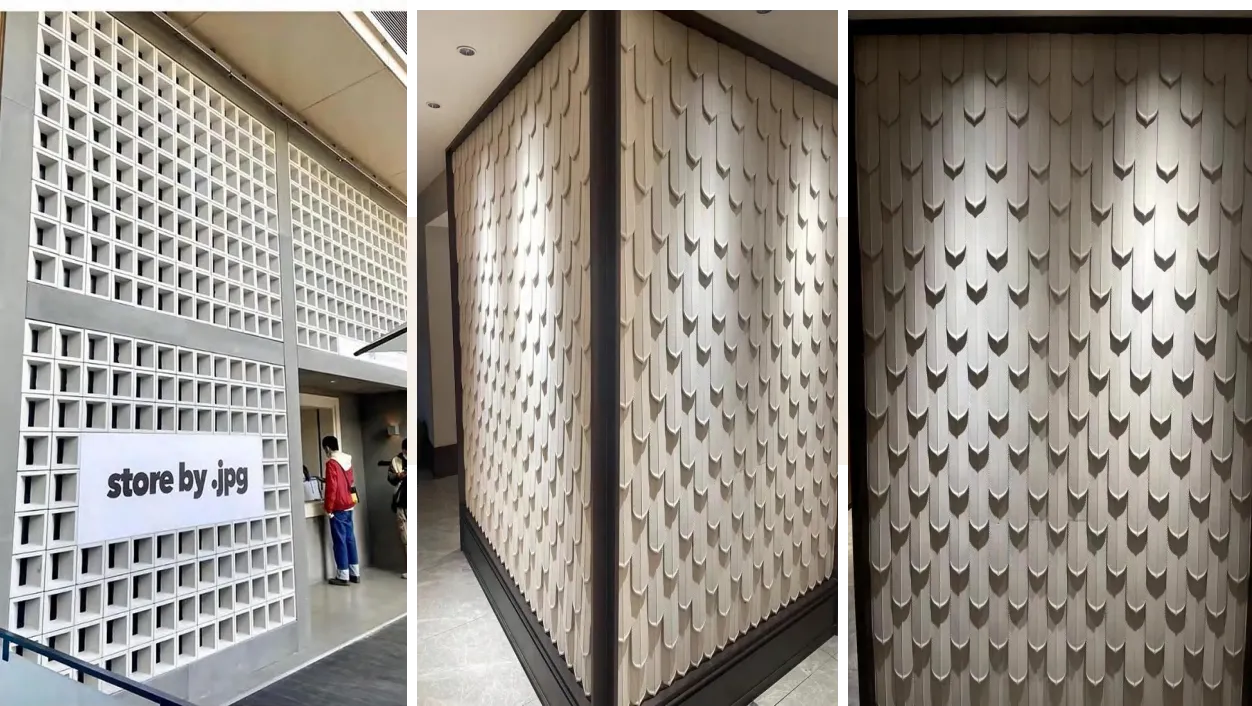
Enter PU stone wall panels—short for polyurethane stone wall panels. At first glance, they might sound like the opposite of "historic." Polyurethane is a synthetic material, after all, often associated with modern construction. But dig deeper, and you'll find that these panels are uniquely suited to the challenges of historic renovation. Let's start with the basics: what exactly are PU stone wall panels?
PU stone wall panels are lightweight, durable cladding materials designed to mimic the look and feel of natural stone. They're made by mixing polyurethane resin with mineral fillers, then pouring the mixture into molds that replicate the texture, shape, and detail of real stone—think granite, limestone, sandstone, or even weathered fieldstone. The result is a panel that looks so much like natural stone, you'd need to touch it to tell the difference.
But unlike natural stone, PU panels are incredibly lightweight—typically weighing just 3-5 kilograms per square meter, compared to 25-30 kg for natural granite. They're also flexible, impact-resistant, and easy to install. Modern manufacturing techniques allow for endless customization: panel size, color, texture, and even aging effects (like simulated moss or weathering) can be tailored to match a building's historic character.
So, how do these synthetic panels address the challenges of preserving historic buildings? Let's break it down:
The most obvious advantage is weight. A historic building with weakened walls simply can't support the load of new natural stone. PU stone panels, however, are so light that they can be installed without reinforcing the underlying structure. This is a game-changer for renovations where structural work is either too costly or would damage historic fabric. Imagine a 1800s townhouse with a crumbling stone facade: instead of tearing down and rebuilding the wall (which could compromise the building's integrity), you can apply PU panels directly over a repaired substrate, adding minimal weight while restoring the original look.
For preservationists, authenticity is everything. PU stone wall panel suppliers understand this, which is why they offer custom molding services. Using 3D scanning or traditional mold-making techniques, they can create panels that replicate the exact texture and pattern of a building's original stone. Got a section of facade with unique, hand-carved details? A supplier can create a mold from that section, ensuring the new panels are indistinguishable from the old. This level of customization is nearly impossible with natural stone, which varies widely in appearance even from the same quarry.
PU stone panels aren't just about looks—they're engineered to perform. Many are fire-rated (check with your supplier for specific ratings), water-resistant, and insulating. Some panels come with built-in thermal breaks or can be paired with insulation layers, improving energy efficiency without altering the facade's appearance. This means you can meet modern fire and energy codes while keeping the building's historic profile intact—a win-win for architects and preservation boards.
Compared to natural stone, PU panels are significantly more affordable. They're cheaper to manufacture, lighter to transport (reducing shipping costs), and easier to install. Because they're lightweight, you don't need heavy machinery or a team of skilled masons—installation can often be done with basic tools and a small crew. This cuts down on labor costs, making historic renovation feasible for more property owners. Over time, PU panels also require less maintenance: they're resistant to mold, mildew, and fading, so you won't need to repoint or replace them as often as natural stone.
Sustainability is increasingly a priority in historic renovation, and PU stone panels deliver here too. Many suppliers use recycled materials in their panels, and their lightweight nature reduces transportation emissions. Because they're durable and long-lasting, they minimize the need for replacement, reducing waste. Plus, by extending the life of historic buildings, PU panels help avoid the environmental impact of demolishing and rebuilding—arguably the most sustainable choice of all.
| Material | Weight (per sqm) | Installation Complexity | Historic Aesthetic Match | Long-Term Maintenance | Cost (Installed, per sqm) |
|---|---|---|---|---|---|
| Natural Granite | 25-30 kg | High (requires heavy machinery, skilled masons) | Excellent (if sourced to match) | High (needs repointing, susceptible to weathering) | $200-$400+ |
| Traditional Stone Veneer | 15-20 kg | Medium-High (still heavy, requires mortar) | Good (but hard to match exact texture) | Medium (mortar may crack, prone to water damage) | $150-$300 |
| PU Stone Wall Panels | 3-5 kg | Low (lightweight, adhesive or mechanical fixing) | Excellent (custom molds for exact match) | Low (water-resistant, no repointing needed) | $80-$150 |
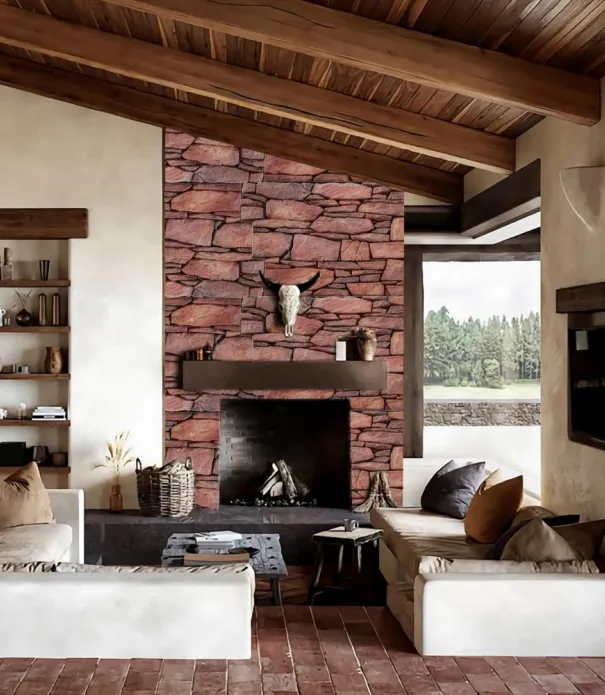
In the heart of Riyadh's Al-Bathaa district, a 1920s residential building stood as a reminder of the city's early 20th-century architecture. With its arched windows, decorative stone lintels, and weathered sandstone facade, it was a local landmark—but by 202X, it was in dire straits. Years of harsh desert sun and occasional sandstorms had eroded the stone, leaving cracks and loose mortar. The building's owner, a family trust, wanted to restore it to its former glory but faced two major hurdles: the cost of natural stone restoration, and the risk of structural damage from heavy materials.
After consulting with a preservation architect, the family turned to a local PU stone wall panel supplier specializing in historic renovations. The process began with 3D scanning the building's facade to create detailed digital models of the original stonework. The supplier then used these models to create custom molds, replicating the texture of the weathered sandstone, the shape of the arched lintels, and even the slight color variations caused by decades of sun exposure.
The panels were manufactured off-site, then transported to the site in lightweight bundles. Installation was completed in just three weeks—a fraction of the time natural stone would have taken. The panels were fixed to a lightweight metal frame attached to the existing wall, adding minimal weight. To ensure authenticity, the supplier added subtle aging effects, including simulated moss in crevices and slight color fading to match the original stone's patina.
Today, the 1920s townhouse looks as if it's been gently cleaned, not renovated. The facade retains its historic character, with every curve and texture intact. The owner reports that energy bills have dropped by 30% thanks to the panels' insulating properties, and there's no sign of the cracking or erosion that plagued the original stone. "We didn't just save a building," says the family's spokesperson. "We saved a piece of our family's history—and we did it without breaking the bank."
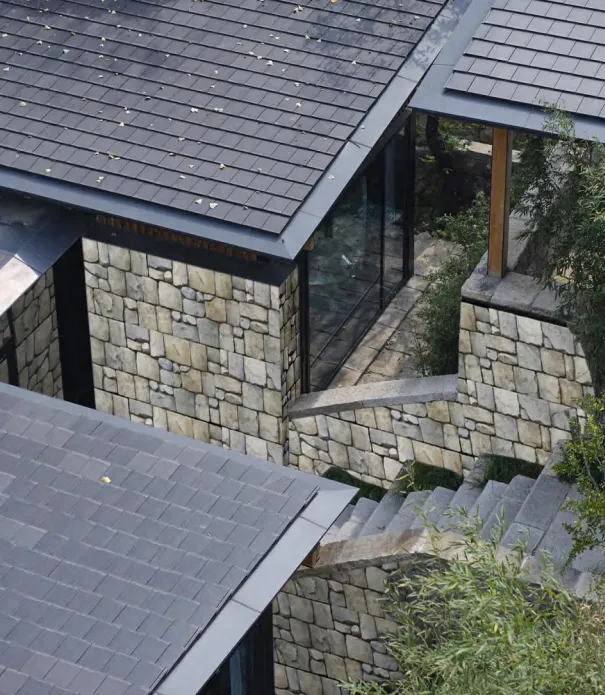
While much of the focus has been on exterior facades, PU stone wall panels are equally valuable for interior historic renovations. Think grand entryways, fireplace surrounds, or accent walls in heritage hotels, museums, or historic homes. Interior stonework often faces similar challenges: original stone may be damaged, or adding new stone could overload floor structures. PU panels offer the same benefits indoors—lightweight installation, customizable detail, and easy maintenance—while adding warmth and character to interior spaces.
For example, a 19th-century bank converted into a boutique hotel might want to retain the look of its original stone teller counters. Using PU stone panels, the design team can replicate the counters' stone texture and color, even adding authentic-looking wear patterns, without the weight of real stone. The result is a space that feels historic but functions like a modern hotel—easy to clean, durable, and safe.
Not all PU stone wall panels are created equal, and choosing the right supplier is critical to a successful historic renovation. Here are key factors to consider:
Look for suppliers who specialize in historic renovations or have a portfolio of similar projects. They'll understand the nuances of matching historic aesthetics and working with preservation boards.
The best suppliers offer custom mold-making services, using 3D scanning or physical molds to replicate your building's unique stonework. Ask to see examples of past custom projects—if they can't show you, move on.
PU panels should be UV-resistant (to prevent fading), water-resistant, and impact-resistant. Ask about warranties—reputable suppliers will offer 10-20 year warranties on their products.
Ensure the panels meet local building codes, especially fire ratings and environmental standards. For commercial projects, look for certifications like LEED or local green building credentials.
A good supplier will work closely with your architect and preservation team, providing samples, technical data, and support throughout the project. They should be willing to adjust designs based on feedback from preservation boards or historic societies.
Historic preservation isn't about freezing buildings in time—it's about keeping them relevant for future generations. PU stone wall panels represent a new chapter in this story: a chapter where modern technology honors tradition, where sustainability and history go hand in hand, and where more communities can afford to save their architectural heritage.
As materials science advances, we can expect even more innovations—panels that better mimic rare stone types, improved fire resistance, or enhanced sustainability features. But for now, PU stone wall panels stand out as a practical, beautiful solution for preserving the past while building for the future.
So the next time you walk past a historic building with a stone facade that looks too perfect to be real, take a closer look. It might just be PU stone panels—and that's not a bad thing. It's a sign that someone cared enough to save a story, one lightweight, durable, and deeply authentic panel at a time.
Recommend Products











