
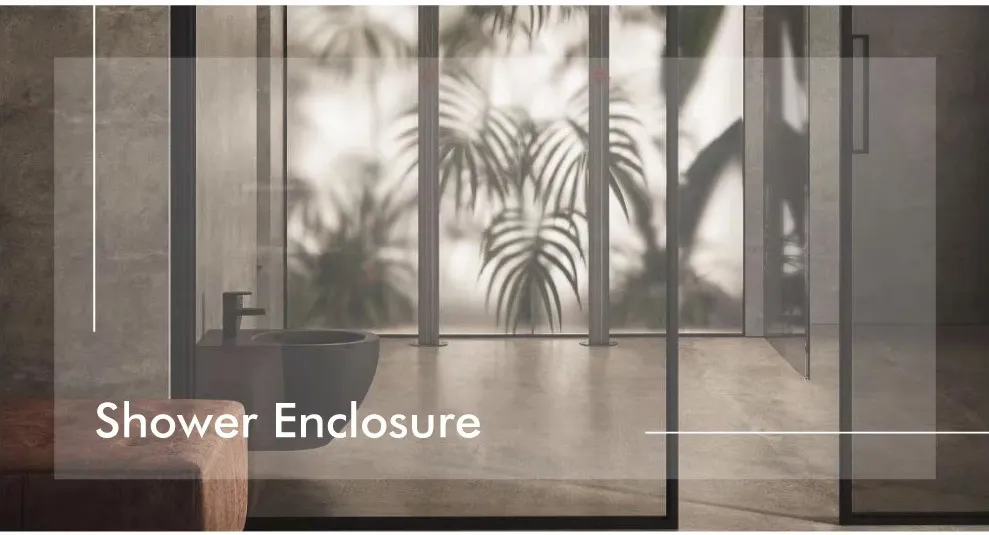
Imagine walking into a construction site where dozens of shower enclosures are being installed simultaneously. Not as a chaotic mess, but as a perfectly synchronized operation where materials arrive just-in-time, measurements align flawlessly, and installation teams move with the precision of a Swiss watch. That's the reality of high-volume refurbishment done right. The shower enclosure – once a purely functional element – has evolved into the centerpiece of modern bathroom design . And with hospitality renovations, multi-unit housing updates, and commercial upgrades happening at unprecedented scales, the demand for efficient, large-scale solutions has never been greater.
What used to take weeks now happens in days. Where miscommunication caused costly delays, seamless coordination drives progress. That's the promise of collaborative models in high-volume shower enclosure projects – doing more with less friction, less waste, and fewer headaches.
The stakes are high – literally. When you're replacing hundreds of shower units across a hotel chain or apartment complex, every millimeter matters. A 1% error in measurements becomes a mountain of rework. A single supply chain hiccup derails entire projects. That's why collaboration isn't just nice-to-have ; it's the oxygen that makes large-scale refurbishment possible. We've entered an era where the bathroom, particularly the shower enclosure, dictates project timelines and customer satisfaction levels. It's not about doing things faster, but about reimagining how we approach volume installations from the ground up.
When we talk about "high-volume" in refurbishment, we're discussing a fundamentally different beast than your average bathroom remodel. The challenges multiply exponentially with scale:
Consider a typical 300-room hotel renovation. That's not 300 shower enclosures - it's 300 slightly different installations . Even standardized bathrooms develop unique quirks over years of plumbing repairs, structural shifts, and creative patch jobs. The myth of uniformity evaporates when you're facing decades of accumulated adjustments behind those walls.
The choice of materials sends ripples through the entire project timeline. Glass thickness, door mechanisms, and sealing technologies may seem like small decisions until you're installing hundreds of units. Opt for the wrong hinge system and what saves $3 per unit might cost $30 in installation time. The best solutions balance:
The game-changer? Approaching volume refurbishment as an integrated system rather than separate tasks. When suppliers, designers, and installers operate in silos, friction becomes inevitable. But align these functions through shared goals and processes, and that's where the magic happens.
Effective collaboration isn't about holding more meetings; it's about creating structures that dissolve boundaries between stakeholders. Here's how industry leaders are making it work:
Forward-thinking contractors now embed building material suppliers from day one. Instead of just taking orders, suppliers participate in design validation sessions. Their technical specialists help architects understand installation nuances during planning stages. At The Harbor Resort renovation, this approach reduced shower enclosure measurements errors by 82% compared to traditional methods.
Advanced projects now create virtual replicas of bathrooms before physical work begins. Installers access 3D models via tablets on-site to visualize challenges and solutions in real-time. When plumbers, tilers, and enclosure installers share the same digital reference, mysterious gaps between pipes and panels disappear.
The Terrace Towers Case: Facing a 120-unit retirement community bathroom upgrade, the team implemented an integrated collaboration model with astonishing results:
"By having our glass supplier, sealant specialist, and installation team co-develop the prefabricated frame system, we reduced average install time from 4.5 hours to 1.75 hours per unit. The kicker? Better quality control too - our water testing failure rate dropped to near zero." - Project Lead Maria Rodriguez
The moment of truth arrives when rubber meets the road – or rather, when glass meets the tile. How collaboration manifests at the installation phase:
The shift from custom-crafted to precision-prefabricated components has transformed installation economics. What many don't realize: true efficiency comes not from eliminating adjustments, but from minimizing them through anticipatory design.
Volume refurbishment winners treat bathrooms like automotive assembly lines. The shower enclosure becomes a plug-and-play component designed around standardized footprints but with intelligent adaptability. Features include:
As we look ahead, the bathroom refurbishment landscape continues evolving rapidly. The projects that will thrive aren't those with the strongest silos, but the most permeable boundaries between functions:
The shower enclosure – that humble space where we start and end our days – has become an unlikely proving ground for collaborative innovation. By reimagining how we supply, measure, and install at scale, we're not just building better bathrooms; we're pioneering models that could transform construction methodology across the built environment. The water's fine – dive in.
Recommend Products












