
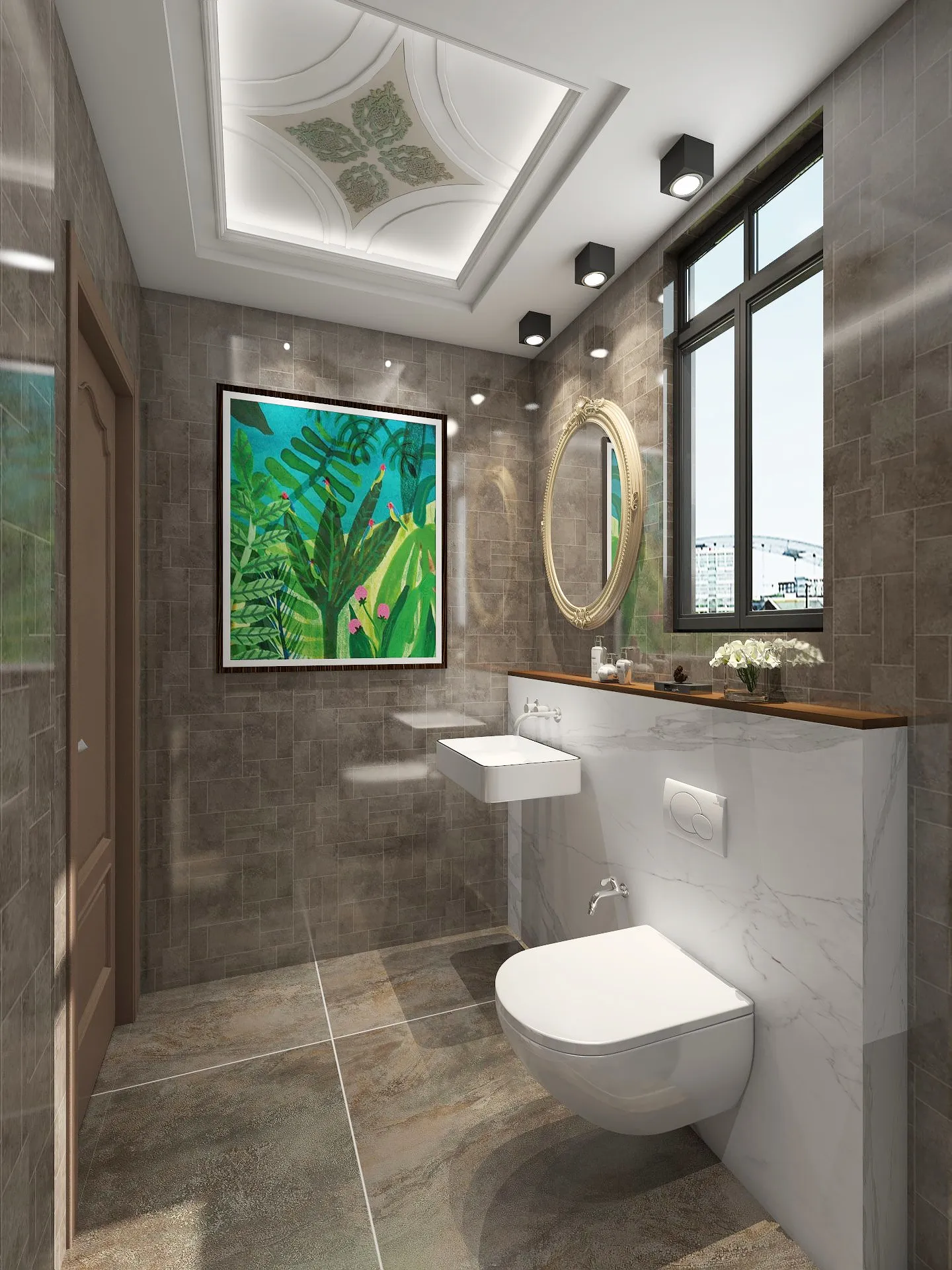
Have you ever wondered why your ceramic washbasin remains pristine after years of daily use? The secret lies in a remarkable engineering process where ordinary clay transforms into an extraordinarily durable material through high-temperature firing. Unlike ordinary ceramics fired at standard temperatures (typically around 1,000°C), high-temperature ceramics undergo a metamorphosis at scorching temperatures exceeding 1,300°C - hot enough to melt aluminum.
This process fundamentally changes the material's structure. As temperatures climb beyond 1,200°C, clay particles fuse completely through a process called vitrification . This extreme heat triggers molecular changes that form dense crystalline structures packed tightly together, eliminating microscopic gaps that would otherwise create weak points. The result? A surface so compact that it becomes naturally resistant to both scratches and hairline cracks.
Standard ceramics form a surface with microscopic pores and less molecular bonding, creating vulnerability to impact and stains.
High-temperature firing creates a glass-like matrix where crystals interlock completely, eliminating structural weaknesses and creating extraordinary durability.
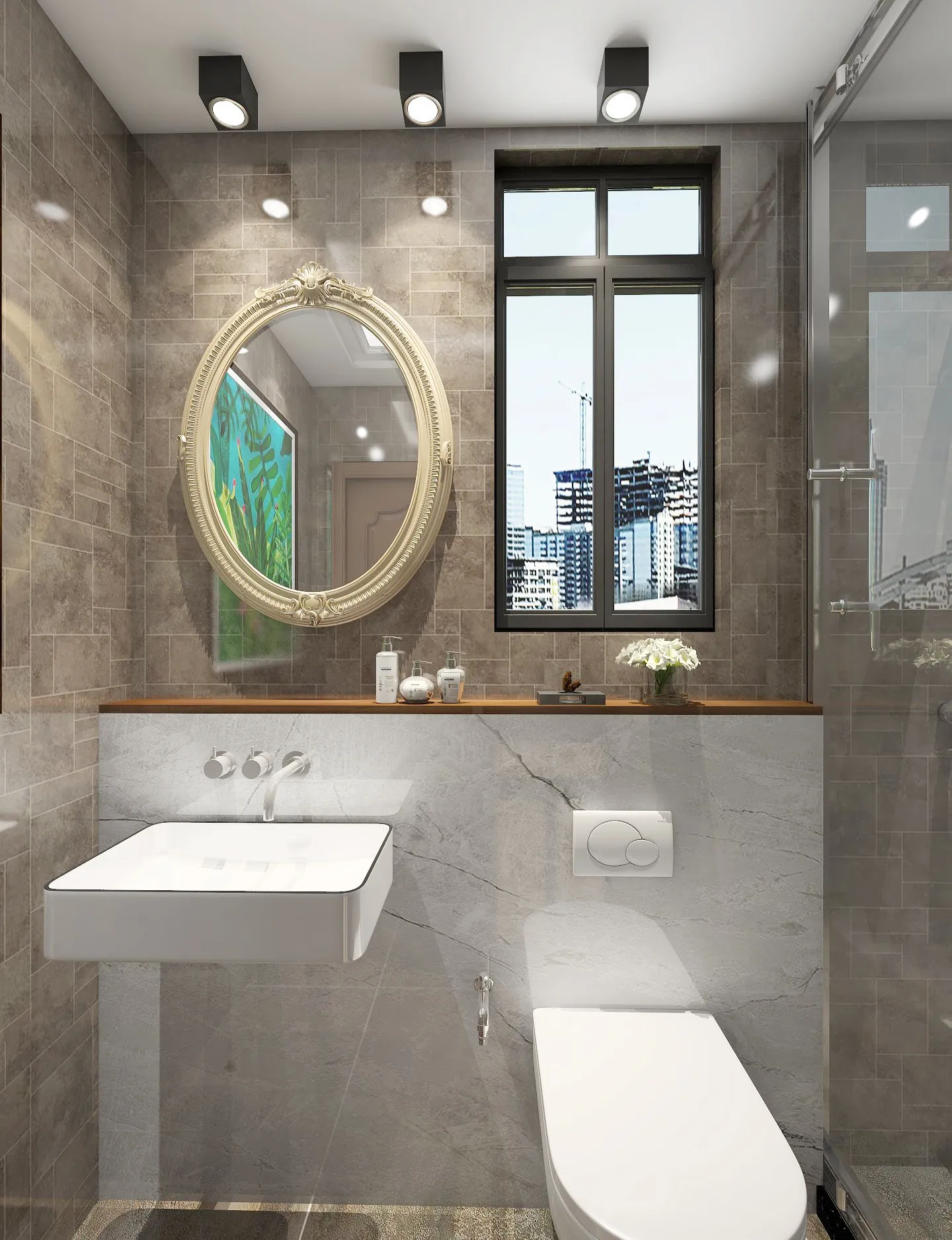
High-temperature ceramics possess exceptional mechanical strength because the firing process aligns minerals into an interlocking crystal lattice structure. At 1,300-1,400°C, silica forms tridymite and cristobalite crystals that weave through the ceramic matrix. These provide:
Ceramic engineers employ innovative approaches to enhance crack resistance:
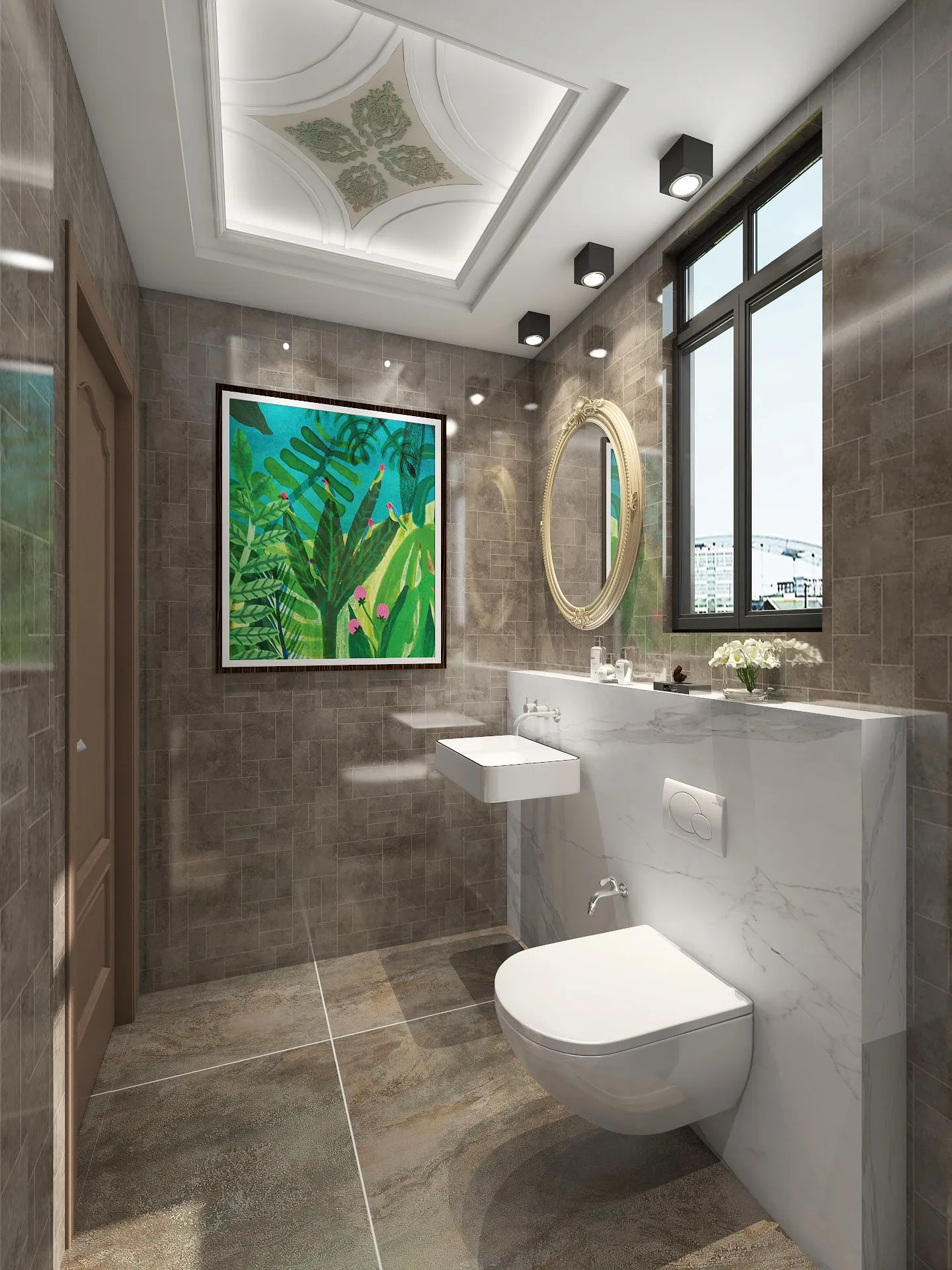
These washbasins maintain their integrity under conditions that would compromise ordinary ceramics. Imagine dropping a heavy toiletry bottle onto a standard ceramic basin - the result might be a hairline fracture or even a shatter. High-temperature fired ceramics typically withstand:
| Stress Factor | Standard Ceramic | High-Temperature Ceramic | Improvement Factor |
|---|---|---|---|
| Thermal shock resistance | May crack at 50-60°C ΔT | Resists 150-200°C ΔT | 3-4x greater |
| Impact resistance (J/m²) | 300-500 | 1200-1800 | 4-6x greater |
| Microhardness (Vickers) | 3-4 GPa | 6-7 GPa | 2x greater |
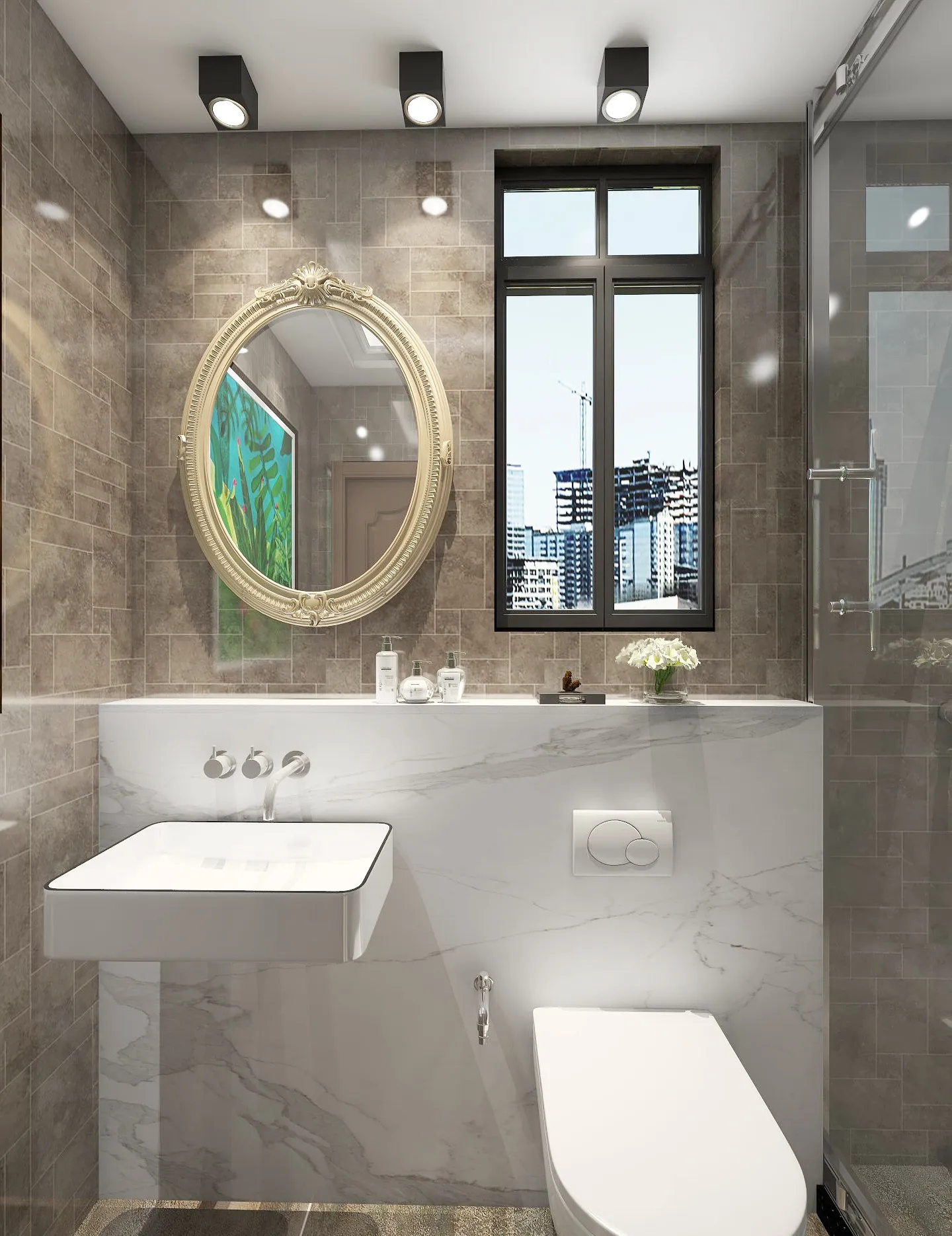
As high-temperature fired ceramic washbasins become an increasingly popular choice in contemporary sanitary ware , their long-term advantages become clear:
Material science continues to unlock new possibilities. High-entropy ceramics that combine multiple metal elements offer potential durability breakthroughs. Additive manufacturing allows precision-engineered internal structures that combine high-temperature benefits with revolutionary shapes and functions.
These washbasins represent where functionality meets aesthetic excellence. In developing my bathroom design recommendations, I've consistently found high-temperature ceramics deliver peace of mind through their inherent resilience - a perfect marriage of nature's raw materials and human engineering ingenuity.
Recommend Products












