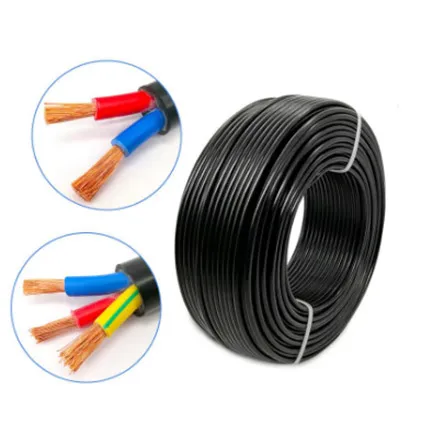
When you think of industrial settings—steel mills, petrochemical plants, or power generation facilities—images of intense heat, sparks, and molten materials probably come to mind. These places push equipment to its limits. And at the heart of keeping operations running safely? Cables that laugh in the face of extreme temperatures. Forget ordinary wiring; when temperatures climb past 400°F, you need specialized armor.
Standard cables fail spectacularly when things heat up. Insulation cracks, conductivity drops, and the risk of catastrophic failure skyrockets. That’s where
power cables
engineered for high-temperature environments become more than components—they become lifelines. These aren't just "wires that get less hot"; they’re precision-designed barriers against chaos.
Why Standard Cables Throw in the Towel
Picture this: In a glass manufacturing plant, ambient temperatures hover near 480°F. A regular PVC-insulated cable begins degrading at just 175°F. What happens? The insulation turns brittle, flakes off, and exposes conductors. Suddenly, you've got a spark waiting to ignite volatile fumes. Or worse—unplanned downtime costing thousands per hour. Industry doesn’t just need heat-resistant cables; it needs superhero-grade insulation.
"Using conventional
cables in high-heat zones is like wearing a winter coat in a furnace. It fails quietly until it fails catastrophically." — Industrial Safety Engineer, Siemens
Materials That Don’t Sweat Under Pressure
Not all materials are created equal. Here’s what separates the tough from the melted:
-
Silicone Rubber (up to 450°F):
Flexible and resistant to moisture, but vulnerable to physical abrasion. Ideal for foundries where flexibility matters more than rough handling.
-
FEP/Teflon (500°F):
Chemically inert and slick. Perfect for chemical plants where acids or solvents would dissolve lesser materials.
-
Fiberglass (1000°F+):
The heavy hitter. Woven silica fibers that laugh at molten metal splash. Used near furnace charging doors or steel ladles.
-
Ceramic Beads (1600°F):
When things get truly extreme. Tiny ceramic sleeves thread over conductors, creating pockets of insulation that resist insane heat.
Real-World Hot Zones: Where These Cables Shine
These cables aren’t lab curiosities—they’re frontline warriors:
-
Aluminum Smelters:
Temperatures near electrolytic cells hit 930°F. Standard PTFE insulation vaporizes; fiberglass-shielded cables keep juice flowing.
-
Commercial Baking Ovens:
Conveyor systems inside 700°F ovens demand silicone-insulated motor cables—anything less causes conveyor jams and burned-out windings.
-
Geothermal Plants:
Superheated steam pipes require sensor cables that tolerate both heat and moisture without drifting calibration.
-
Aircraft Engine Bays:
Jet turbines generate 1000°F+ exhaust. Kevlar-braided FEP cables route critical signals past infernos.
The Cost of Cutting Corners
Skip proper cable selection, and you don’t just risk failure—you gamble with productivity and lives:
-
A chemical plant in Texas ignored FEP recommendations for cheaper PVC. When a leak occurred, dissolved insulation caused a $2M fire.
-
Steel mill downtime averages $100,000/hour. Cables failing during continuous casting cost one Ohio plant 14 unplanned hours last year.
-
Ceramic-insulated thermocouple wires in glass tanks run 10x longer than silicone alternatives—making them cheaper long-term despite the upfront cost.
Picking Your Cable Like a Pro
Selecting cables isn’t about grabbing the highest temperature rating. Ask these gritty questions:
-
Is chemical exposure more threatening than abrasion?
-
Will thermal cycling (repeated heat/cool cycles) crack rigid materials?
-
Does the cable need to flex daily in cramped spaces?
-
Are industry standards like NEC 400 or IEC 60684 non-negotiable?
Example: In automotive paint shops, ovens at 400°F use quartz heaters. Cables must flex daily while resisting solvents. Here, FEP with nickel-plated copper braid wins over cheaper silicone options.
Installation: Where Good Cables Go to Die
Even the best cable fails if installed wrong. Heed these field-tested rules:
-
Avoid Tight Bends:
Fiberglass insulation hates sharp corners. Bend radius should be 8x cable diameter.
-
Secure Against Vibration:
Use stainless-steel P-clips. Plastic ties melt above 300°F.
-
Heat Sink Routing:
Run cables past cold surfaces when possible. A steel beam at 150°F near a furnace door can reduce thermal stress.
-
Seal Entry Points:
Conduit ends must be sealed with high-temp mastic to keep out conductive dust.
Maintenance crews at General Electric’s turbine division log vibration spectra from cable trays near engines. Loose cables wearing through insulation lead to more outages than internal failures.
The Future: Smarter, Tougher, Cooler
Tomorrow’s heat-resilient cables aren’t just insulating—they’re diagnosing:
-
Self-Healing Aerogels:
Nanoporous materials that seal micro-cracks autonomously at 600°F.
-
Embedded Fiber Optics:
Monitor temperature along the cable’s length in real-time, alerting before hotspots escalate.
-
Graphene Conductors:
Carry more current with less heat rise—meaning insulation lasts longer.
Aerospace giants like Boeing test prototype carbon-nanotube cables reducing weight by 40% while doubling thermal margins. That innovation trickles down to factories faster than you’d think.
Wrapping It Up: Heat Isn’t Going Away
Extreme industry will always push boundaries. As furnaces get hotter and processes more aggressive, cables remain the silent guardians against chaos. Choosing the right high-temperature cable isn’t a technical footnote—it’s where engineering meets gritty reality. Get it right, and kilns keep humming, sensors stay true, and sparks stay where they belong.
So next time you walk past a glowing melt tank or a roaring gas turbine, give a nod to the unsung heroes: cables tougher than the fires they face.