
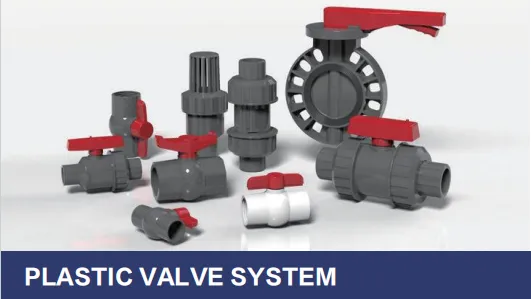
In the heart of modern cities, skyscrapers pierce the skyline, symbols of progress, ambition, and the relentless drive to build upward. From bustling commercial hubs housing thousands of daily workers to residential towers where families build their lives, high-rises are more than just structures—they're ecosystems. But behind their gleaming facades and spacious interiors lies a hidden challenge: keeping these vertical communities functioning seamlessly. Water needs to flow upward, waste needs to move downward, fire safety systems must be failproof, and every component must stand the test of time, even as the building sways gently in the wind. In this intricate dance of engineering, one element often goes unnoticed but is absolutely critical: plastic valve systems .
Imagine waking up in a 50-story residential tower. You turn on the shower, and hot water flows instantly. You flush the toilet, and waste disappears without a second thought. Downstairs, the building's fire suppression system stands ready, silently guarding against disaster. None of this happens by accident. It's the result of carefully chosen materials, and increasingly, plastic valve systems and pipes are the unsung heroes making it all possible. For builders, architects, and facility managers, the choice of these systems isn't just about cost—it's about reliability, safety, and ensuring that the building serves its purpose for decades to come.
High-rises are engineering marvels, but their verticality creates unique problems. Traditional materials like metal, once the go-to for pipes and valves, often stumble here. Metal is heavy, making installation in tight elevator shafts or narrow utility chases a logistical nightmare. It corrodes over time, especially in areas with hard water or high humidity, leading to leaks, reduced water pressure, and costly repairs. And let's not forget weight: a single metal pipe spanning 30 floors adds unnecessary load to the building's structure, forcing engineers to overdesign support systems.
Enter plastic valve systems. Lightweight yet surprisingly strong, these materials—think UPVC, PPR, PEX, and PVC—have revolutionized how we build upward. They resist corrosion, so they won't rust or degrade when exposed to water, chemicals, or even the occasional stray acidic cleaner. They're easier to handle, too: a construction crew can carry a bundle of UPVC pipes up a staircase without straining, cutting installation time (and labor costs) significantly. But perhaps most importantly, plastic valve systems are adaptable. They bend, flex, and fit into tight spaces, making them ideal for high-rises where every inch of space counts.
For building managers, this adaptability translates to peace of mind. Imagine overseeing a 30-story hospital, where even a minor pipe leak could disrupt patient care or damage sensitive medical equipment. A Class A fireproof CPL inorganic board on the walls adds a layer of safety, but pair that with a reliable plastic valve system, and suddenly the risk of disaster drops dramatically. Plastic doesn't burn easily, and many variants are designed to meet strict fire safety standards, ensuring that in an emergency, the building's critical systems—like sprinklers and smoke ventilation—stay operational.
Not all plastic valve systems are created equal. Each type—UPVC, PPR, PEX, and beyond—has its own superpowers, tailored to specific needs in high-rise construction. Let's break them down, and meet the suppliers who are leading the charge in delivering these solutions.
UPVC (Unplasticized Polyvinyl Chloride) pipes are the backbone of many high-rise plumbing systems, and for good reason. Rigid, durable, and resistant to both chemicals and temperature fluctuations, they're perfect for cold water distribution, drainage, and even venting systems. Think of them as the reliable neighbor who never calls in sick—they just keep doing their job, year after year.
Leading UPVC pipe suppliers prioritize precision, ensuring their products meet global standards for strength and longevity. For example, a 40-story commercial tower in Riyadh might rely on UPVC pipes for its (toilet) and sink drainage. These pipes handle the constant flow of water and waste without cracking, even when temperatures swing from the scorching heat outside to the air-conditioned cool inside. And because UPVC is lightweight, the installation team can run pipes vertically through the building's core without overloading the structure—a small detail that saves big on construction costs.
When it comes to hot water systems—whether in a luxury hotel's penthouse suite or a hospital's maternity ward— PPR (Polypropylene Random Copolymer) pipes take center stage. Unlike UPVC, PPR can handle high temperatures (up to 95°C), making it ideal for hot water distribution. It's also flexible, which means it can expand and contract with temperature changes without cracking—a crucial feature in high-rises where water travels long distances through pipes exposed to varying conditions.
PPR pipe and fitting suppliers often highlight the material's (welding) capabilities. Using heat fusion, installers can create seamless joints that are leak-proof, eliminating the risk of water damage from loose connections. For a busy residential tower, this means fewer maintenance calls, happier residents, and a building manager who can sleep soundly knowing the hot water system won't spring a leak at 2 a.m.
For high-rises with hydronic heating systems (using hot water to warm floors or radiators) or those needing a pipe that can snake through tight spaces, PEX (Cross-Linked Polyethylene) is a game-changer. PEX pipes are incredibly flexible—they can bend around corners without elbows, reducing the number of joints (and potential leak points). They're also resistant to freezing, making them a top pick for buildings in colder climates or those with unheated utility spaces.
PEX pipe and fitting suppliers often emphasize their products' durability in residential settings. Imagine a family in a 35-story apartment building: their morning routine depends on hot water for showers, warm floors on chilly days, and a reliable plumbing system that doesn't disrupt their lives. PEX delivers on all fronts, quietly working behind the walls to keep the household running smoothly.
High-rises don't just consume water—many also need to access it, especially in areas where municipal supplies are limited or expensive. That's where PVC well casing and screen pipes come in. These pipes line wells, protecting groundwater from contamination while allowing water to flow into the building's supply system. For eco-conscious developers, this is a win-win: reducing reliance on city water and lowering the building's environmental footprint.
Suppliers of PVC well casing solutions focus on strength and filtration. The screen pipes are designed with tiny slots that let water in but keep sediment out, ensuring the building's water supply stays clean and free of debris. In a commercial complex with a green roof and rainwater harvesting system, these pipes work alongside porcelain slab tile for walls and bamboo charcoal board wall panels to create a building that's both beautiful and sustainable.
| Pipe Type | Key Suppliers | Core Features | Primary Applications | Sustainability Edge |
|---|---|---|---|---|
| UPVC Pipes | Leading UPVC pipe suppliers | Corrosion-resistant, rigid, cost-effective | Cold water distribution, drainage, venting | Recyclable, low carbon footprint in production |
| PPR Pipes | Trusted PPR pipe and fitting suppliers | Heat-resistant (up to 95°C), seamless welding | Hot water systems, residential/commercial plumbing | Long lifespan reduces replacement needs |
| PEX Pipes | Reputable PEX pipe and fitting suppliers | Flexible, freeze-resistant, minimal joints | Hydronic heating, residential hot/cold water | Energy-efficient (insulates better than metal) |
| PVC Well Casing | Specialized PVC well casing and screen pipes suppliers | Contamination protection, sediment filtration | Groundwater access, well construction | Reduces reliance on municipal water sources |
High-rise construction is a symphony of materials, and plastic valve systems don't play alone. They work in harmony with everything from wall panels to flooring, ensuring the building is not just functional but also safe, attractive, and easy to maintain. Take Class A fireproof CPL inorganic boards , for example. Used in hospitals, schools, and other high-traffic areas, these boards are designed to resist fire and inhibit smoke spread. But for a hospital, fire safety isn't just about walls—it's about the pipes running behind them. Plastic valve systems with fire-retardant properties complement these boards, creating a multi-layered defense that protects patients, staff, and critical equipment.
Aesthetics matter too. High-rises need to be visually appealing, both inside and out. MCM flexible cladding stone wall panels give exteriors a modern, textured look, while bamboo charcoal board wall panels add warmth to interiors. Behind these panels, plastic pipes and valves tuck neatly into wall cavities, their slim profiles allowing architects to maximize living or working space. No one wants a bulky metal pipe ruining the clean lines of a luxury apartment's open-concept kitchen—and with plastic, they don't have to.
Even flooring plays a role. Terrazzo tile suppliers and granite stone suppliers provide durable, beautiful surfaces for lobbies and common areas. But beneath that terrazzo lies a network of pipes: PEX for underfloor heating, UPVC for drainage, and PPR for water supply. These systems must be installed with precision to avoid damaging the flooring above, and plastic's lightweight nature makes this coordination possible. Installers can lay pipes quickly, reducing the risk of delays and ensuring the building stays on schedule.
The SkyView Tower, a 42-story residential building in Riyadh, was designed to offer luxury living with a focus on sustainability. The developers faced a challenge: how to provide reliable hot and cold water to 210 apartments while keeping construction costs in check and meeting Saudi Arabia's strict building codes.
Their solution? A combination of UPVC pipes for cold water distribution and drainage, and PPR pipes for hot water systems. By partnering with a leading UPVC pipe supplier and a trusted PPR pipe and fitting supplier, the construction team was able to install the entire plumbing system in 30% less time than with metal pipes. The lightweight materials reduced the need for heavy lifting equipment, and the seamless PPR joints eliminated the risk of leaks in the hot water lines. Today, residents rave about the consistent water pressure and the lack of maintenance issues—a testament to the durability of plastic valve systems.
MetroCare Hospital, a 15-story medical facility in Dubai, prioritizes safety above all else. With operating rooms, intensive care units, and pediatric wards, the building needed plumbing systems that could withstand constant use, resist corrosion from medical chemicals, and meet Class A fire safety standards.
The hospital's engineering team turned to Class A fireproof CPL inorganic board suppliers for wall panels and PEX pipe and fitting suppliers for their hydronic heating and cooling systems. PEX's flexibility allowed it to be installed in tight spaces around medical equipment, while its freeze resistance ensured the heating system wouldn't fail during Dubai's rare cold snaps. For drainage, they chose PVC DWV pipes (Drain-Waste-Vent), which handle the hospital's high volume of waste without clogging or corroding. Since opening, the hospital has reported zero plumbing-related disruptions—a critical achievement in a setting where every minute counts.
The Horizon Complex is a mixed-use high-rise with offices, retail spaces, and a rooftop restaurant. Its developers wanted a system that could handle diverse needs: high-pressure water for restaurant kitchens, reliable drainage for retail restrooms, and energy-efficient HVAC for office floors.
They opted for a hybrid approach: UPVC pipes for cold water and drainage, PPR pipes for the restaurant's hot water lines, and PEX pipes for the office HVAC system. To access groundwater for irrigation and restroom flushing, they installed PVC well casing and screen pipes , reducing their reliance on municipal water by 25%. The result? Lower utility bills, happier tenants, and a building that's become a model for sustainable commercial construction in the region.
As high-rises continue to shape our cities, the demand for smarter, more sustainable building materials will only grow. Plastic valve systems are evolving to meet this demand, with suppliers investing in research to make their products even more durable, energy-efficient, and eco-friendly. For example, some upvc pipe suppliers now offer recycled-content pipes, reducing the industry's reliance on virgin plastic. Others are developing self-healing PPR pipes that automatically seal small leaks, minimizing water waste and maintenance costs.
Sustainability also means designing for the long term. High-rises are built to last 50 years or more, and their plumbing systems should too. Plastic valve systems excel here, with lifespans often exceeding 50 years when properly installed. This longevity reduces the need for replacements, cutting down on construction waste and the carbon emissions associated with manufacturing new materials.
Looking ahead, we'll likely see even more integration between plastic valve systems and smart building technology. Imagine sensors in PEX pipes that monitor water flow and temperature, alerting facility managers to potential issues before they become problems. Or UPVC drainage systems that use AI to predict clogs, scheduling maintenance proactively. These innovations won't just make high-rises more efficient—they'll make them more livable, ensuring that the people inside can focus on what matters most: living, working, and thriving.
High-rises are more than steel and glass; they're communities. And at the heart of these communities is infrastructure that works—quietly, reliably, and sustainably. Plastic valve systems, supported by leading suppliers of UPVC, PPR, PEX, and PVC solutions, are the backbone of this infrastructure. They're the reason water flows, waste disappears, and fire safety systems stand ready. They're the reason builders can construct higher, architects can design smarter, and residents and workers can feel confident in their vertical homes and workplaces.
As we continue to reach for the sky, let's not forget the materials that make it possible. Plastic valve systems may not grab headlines, but they're the unsung heroes ensuring that our high-rises are more than just tall—they're exceptional.
Recommend Products












