

Walk through any global city—Dubai's glittering towers, Singapore's futuristic skyline, or New York's iconic spires—and you'll notice something profound: the buildings don't just exist ; they communicate . Their exteriors tell stories of innovation, culture, and ambition. But beyond aesthetics, the "skin" of a high-rise—its exterior cladding—performs a silent yet critical role: protecting against harsh weather, insulating interiors, reducing energy costs, and ensuring structural safety. For architects and developers, choosing the right cladding material is a balancing act between beauty, functionality, and practicality—a challenge that has grown more complex as buildings reach new heights.
Traditional solutions have long fallen short. Natural stone, while timeless, weighs buildings down with excessive load, increasing construction costs and safety risks. Concrete panels lack design flexibility, leaving buildings looking monotonous. Metal claddings dent easily and fade under UV exposure. As cities demand greener, safer, and more visually striking high-rises, a new generation of exterior decoration materials has emerged. Among these, one innovation stands out for its ability to transform architectural possibilities: PU stone wall panels.
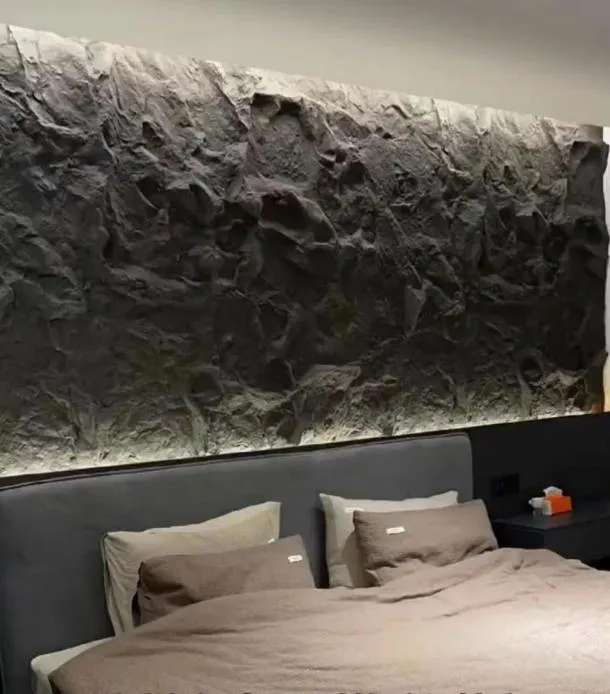
Imagine standing at the base of a 40-story tower, gazing up at a façade that looks like it's wrapped in rich, textured stone—warm beige with subtle veining, catching the sunlight just like natural granite. Now, imagine that this "stone" weighs less than a tenth of the real thing, can be installed in half the time, and costs significantly less to maintain. That's the promise of PU stone wall panels—engineered cladding that marries the aesthetic appeal of natural stone with the performance benefits of modern materials.
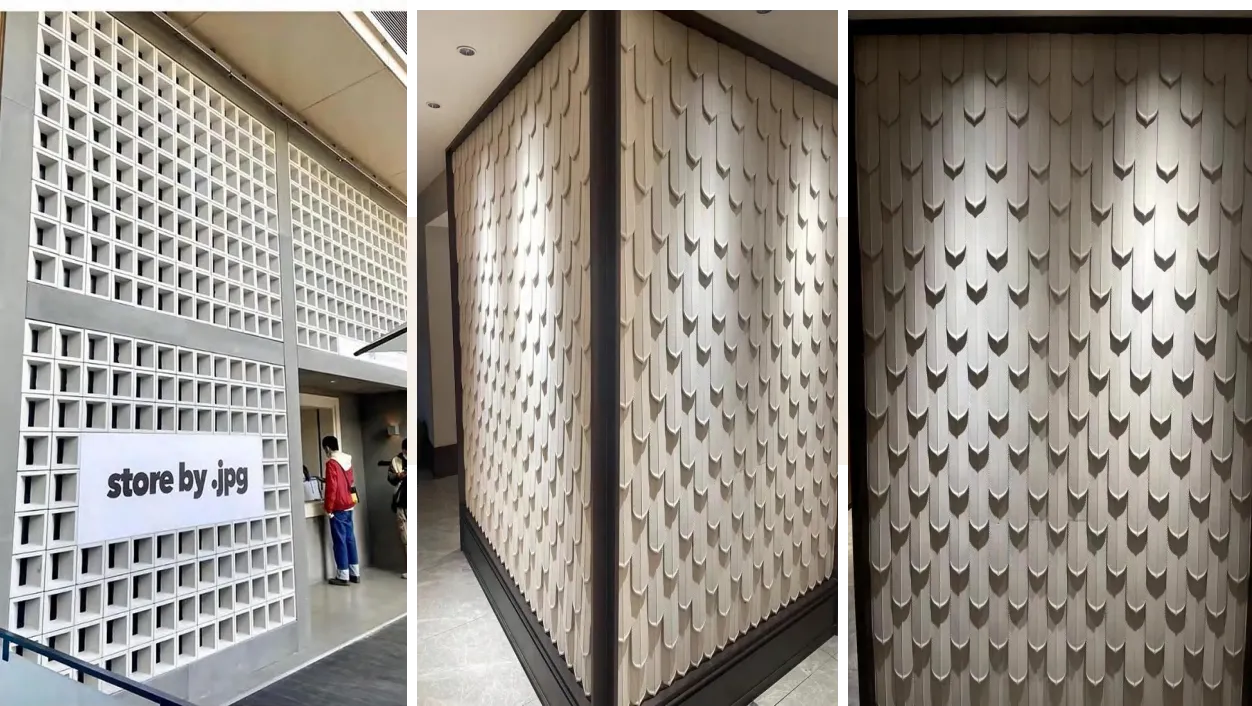
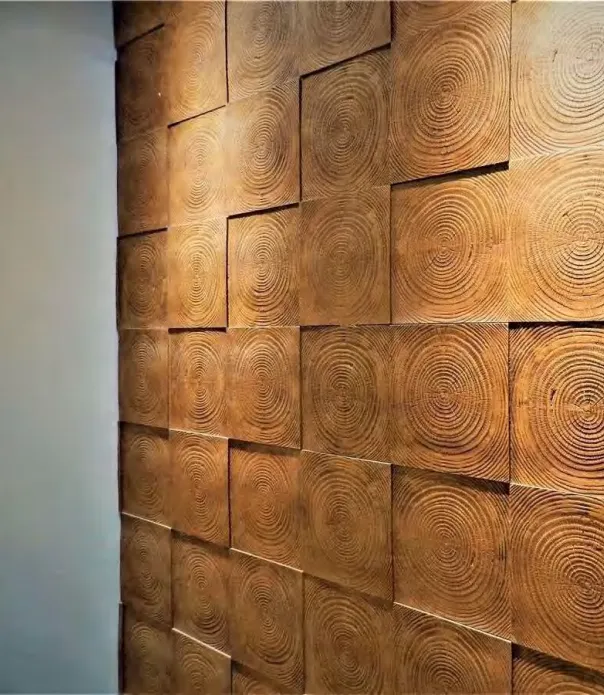
At their core, PU stone wall panels are a blend of high-density polyurethane (PU) resin and natural stone aggregates. This hybrid composition creates a material that's lightweight (typically 8–12 kg/m²), yet remarkably durable. Unlike traditional stone, which requires heavy machinery to quarry and transport, these panels are manufactured in controlled factory settings, ensuring consistent quality and reducing waste. For architects, this means unprecedented design freedom—custom colors, textures, and even 3D patterns that would be impossible or prohibitively expensive with natural stone.
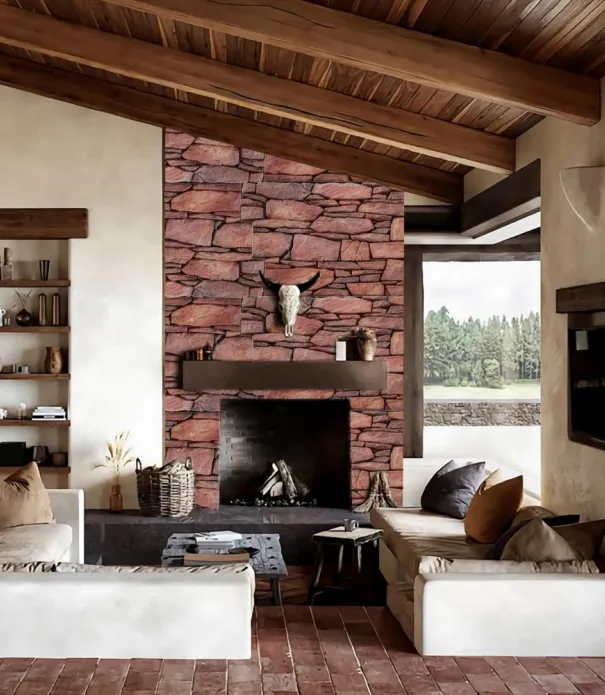
But what truly elevates PU stone panels into the realm of leading architectural façade solutions is their adaptability. Whether the project calls for a rustic, chiseled stone look for a boutique hotel or a sleek, contemporary finish for a commercial office tower, a reputable PU stone wall panel supplier can tailor solutions to match any vision. This flexibility has made them a favorite among developers aiming to create landmarks, not just buildings.
To understand why PU stone wall panels are revolutionizing high-rise exteriors, let's break down their key advantages—benefits that address the most pressing challenges in modern construction:
1. Lightweight Design: Protecting Structural Integrity
High-rises face a fundamental constraint: the heavier the cladding, the more strain on the building's frame and foundation. Natural stone can weigh 50–80 kg/m², requiring costly structural reinforcements. PU stone panels, by contrast, weigh just 8–12 kg/m²—light enough to reduce structural load by up to 70%. This not only cuts construction costs but also enhances safety, reducing the risk of panel detachment during high winds or seismic activity.
2. Durability That Stands the Test of Time
Exterior cladding must withstand nature's harshest elements: driving rain, extreme temperatures, UV radiation, and even saltwater in coastal areas. PU stone panels excel here. Their polyurethane base resists moisture, preventing mold and rot, while UV-stabilized coatings ensure colors don't fade for decades. In field tests, panels exposed to desert heat (50°C+) and freezing winters (-20°C) showed no signs of cracking, warping, or discoloration after 15 years—performance that outlasts many traditional materials.
3. Fire Safety: A Non-Negotiable Advantage
In high-rise construction, fire safety is paramount. Leading
PU stone wall panel solutions
prioritize this, with many products achieving Class B or higher fire ratings (some even Class A with specialized additives). Unlike flammable PVC claddings or resin-heavy composites, PU stone panels contain fire-retardant agents that slow combustion and limit smoke spread—critical factors in meeting strict building codes worldwide.
4. Cost Efficiency Across the Project Lifecycle
While upfront costs matter, smart developers focus on lifecycle value. PU stone panels deliver here on multiple fronts: lower transportation costs (due to lightweight design), faster installation (reducing labor expenses by 30–40%), and minimal maintenance (no sealing, repainting, or repairs needed for 20+ years). One Dubai-based developer reported saving $2.4 million on a 35-story project by switching from natural stone to PU panels—a difference that directly boosted their ROI.
Choosing cladding involves weighing trade-offs. To help visualize how PU stone panels stack up against alternatives, here's a comparison of key performance metrics:
| Cladding Material | Weight (kg/m²) | Fire Rating | Installation Time (100m²) | Expected Lifespan | Annual Maintenance Cost |
|---|---|---|---|---|---|
| PU Stone Wall Panels | 8–12 | Class B (upgradable to Class A) | 1–2 days | 25–30 years | $50–$80 |
| Natural Granite | 55–75 | Class A | 5–7 days | 50+ years | $300–$450 |
| MCM Flexible Cladding | 12–18 | Class A | 2–3 days | 20–25 years | $150–$200 |
| WPC Wall Panels | 14–20 | Class C (without additives) | 2–3 days | 15–20 years | $100–$150 |
The data speaks for itself: PU stone panels offer a rare balance of low weight, fast installation, and long-term affordability, making them ideal for high-rises where efficiency and safety are non-negotiable.
In 2023, a leading Saudi developer set out to build a 42-story residential tower in Jeddah's upscale Corniche district. Their vision: a luxurious "stone" façade that would stand out among the city's glass-dominated skyline, without the structural penalties of natural stone. After evaluating options, they partnered with a PU stone wall panel supplier to create custom sandstone-textured panels in warm golden hues.
The results exceeded expectations. The panels were installed in just 14 weeks (vs. the projected 28 weeks for natural stone), reducing labor costs by 35%. Structural engineers noted that the reduced load allowed for a simplified foundation design, saving an additional $1.2 million. Most notably, resident surveys conducted six months post-occupancy showed 92% satisfaction with the building's appearance, and energy bills were 18% lower than comparable towers—attributed to the panels' insulating properties.
Today, the tower is known locally as "The Golden Beacon," a testament to how PU stone wall panels can turn architectural dreams into reality.
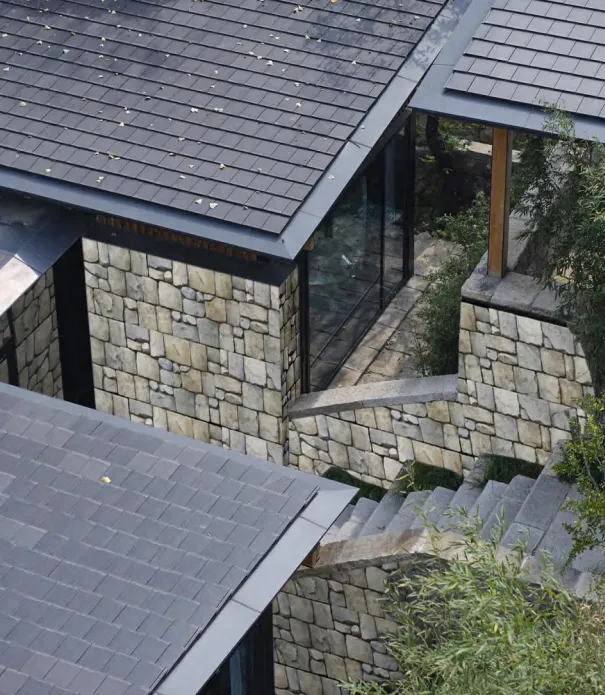
Not all PU stone panels are created equal. To ensure your project's success, partner with a supplier that offers more than just products—they should deliver end-to-end solutions. Here's what to prioritize:
1. Customization Capabilities
Every project is unique. Look for suppliers that offer custom colors, textures, and sizes. Reputable suppliers will provide physical samples and 3D renderings to ensure the final product matches your vision.
2. Quality Certifications
Demand third-party testing reports for fire resistance, weather durability, and structural performance. Certifications like ISO 9001 (quality management) and CE marking (for European markets) are non-negotiable.
3. Technical Support
Installation expertise matters. The best suppliers offer on-site training, detailed installation guides, and access to technical consultants who can address challenges like curved surfaces or high-wind installations.
4. Sustainability Commitment
Modern projects demand eco-friendly materials. Ask about recycled content (many suppliers use 20–30% recycled stone aggregates), low-VOC manufacturing processes, and recyclability at end-of-life.
As cities grow upward and architectural ambitions soar, the demand for cladding materials that balance beauty, performance, and sustainability will only increase. PU stone wall panels meet this demand head-on, offering a rare combination of lightweight design, durability, and design flexibility that traditional materials can't match. They're not just changing how buildings look—they're changing how we think about construction, proving that innovation and aesthetics can go hand in hand.
Whether you're building a luxury residential tower, a cutting-edge commercial complex, or a landmark public space, PU stone wall panels offer a path to creating structures that inspire—today, tomorrow, and for decades to come. The future of high-rise architecture is lighter, safer, and more beautiful. And it's wrapped in PU stone.
Recommend Products











