
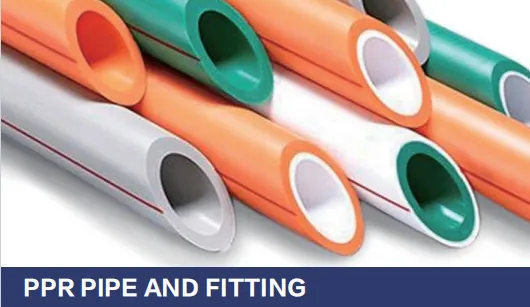
In the heart of every modern city, skyscrapers pierce the sky, housing thousands of residents, workers, and visitors. Behind their stunning glass facades lies a silent hero: the plumbing system. It's the unsung network that delivers hot water to a 50th-floor apartment, ensures drains work in a penthouse office, and keeps hotels, hospitals, and commercial hubs running smoothly. For high-rises, where water must travel hundreds of feet vertically, the choice of pipes and the expertise of suppliers aren't just details—they're the difference between a functional building and a logistical nightmare. This is where PPR pipe and fitting suppliers step in, turning the unique challenges of vertical plumbing into manageable, reliable solutions.
Imagine living on the 35th floor and stepping into a shower with inconsistent water pressure, or a hotel guest dealing with a burst pipe that floods multiple rooms. These scenarios aren't just inconvenient—they're costly and dangerous. High-rise plumbing demands materials that can handle extreme pressure, temperature fluctuations, and decades of use. For contractors and developers, partnering with a trusted PPR pipe and fitting supplier isn't an option; it's a necessity.
High-rise plumbing isn't a scaled-up version of residential plumbing. When water travels 40 stories up or waste flows 30 stories down, every challenge is amplified. Let's break down the hurdles that make vertical systems so complex:
1. Water Pressure: The Balancing Act
On the 5th floor of a 60-story building, unregulated water pressure could turn a shower into a fire hose. On the 55th floor, it might trickle to a drip. Vertical systems require precise pressure management—booster pumps, pressure-reducing valves, and zoning—to ensure consistent flow. A single miscalculation can lead to leaks, burst pipes, or angry tenants.
2. Thermal Expansion: When Pipes "Breathe"
Hot water heats pipes, causing them to expand. In tight vertical shafts, this expansion creates stress that can crack rigid materials over time. For buildings with constant hot water demand—like hotels or hospitals—this is a critical issue. The wrong pipe material becomes a ticking time bomb.
3. Installation in Tight Spaces
High-rise construction sites are chaotic, with limited room for maneuvering. Plumbing shafts are narrow, and lifting materials to upper floors requires coordination with cranes and elevators. Pipes must be lightweight yet sturdy, easy to cut, and simple to connect. Cumbersome materials slow projects, inflate labor costs, and delay deadlines.
4. Longevity and Durability
A skyscraper is built to last 50+ years. Its plumbing system must match that lifespan. Pipes face daily wear: water pressure, chemical exposure (from cleaning agents), and even accidental impacts during maintenance. Cutting corners on materials leads to early failures—and replacing pipes in a fully occupied building is a logistical and financial disaster.
5. Regulatory Compliance
Building codes for high-rises are strict, and for good reason. Pipes must meet safety standards for fire resistance, hygiene (especially for drinking water), and structural integrity. Using non-compliant materials risks legal penalties and, worse, endangers lives.
Enter PPR (Polypropylene Random Copolymer), a thermoplastic material that has revolutionized high-rise plumbing. Unlike traditional copper or galvanized steel, PPR brings a unique set of advantages tailored to vertical systems. Here's why PPR pipe and fitting solutions have become the top choice for engineers and contractors:
Thermal Stability: Hot and Cold, All Day Long
Unlike UPVC (which becomes brittle above 60°C), PPR thrives in temperature extremes, handling continuous use up to 70°C and short bursts of 95°C. This makes it ideal for hot water lines in hotels, hospitals, and residential towers. Its flexibility also absorbs thermal expansion, reducing stress in tight shafts.
Smooth Flow, Fewer Clogs
PPR pipes have an ultra-smooth inner surface that minimizes friction and prevents scale buildup. In vertical systems, where water travels long distances, this means consistent flow rates and fewer clogs. Over time, this reduces maintenance costs and keeps systems running efficiently for decades.
Easy Installation: Save Time and Labor
PPR pipes are lightweight, making them easy to transport up tall buildings. They're joined using heat fusion, creating seamless, leak-proof joints that outlast traditional soldering or gluing. This speeds up installation—critical for high-rise projects with tight deadlines—and reduces the risk of human error.
Corrosion and Chemical Resistance
PPR is inert to most chemicals found in water or cleaning products, so it won't rust, corrode, or degrade over time. Unlike metal pipes, it doesn't leach harmful substances into drinking water, meeting strict hygiene standards (like ISO 15874). For high-rises, this means healthier water and longer-lasting infrastructure.
PPR isn't the only plumbing material on the market, but it's the clear leader for vertical systems. Let's compare it to common alternatives like UPVC and PVC DWV to see why:
| Feature | PPR Pipes | UPVC Pipes | PVC DWV Pipes |
|---|---|---|---|
| Pressure Handling | High (up to 25 bar at 20°C) | Moderate (up to 16 bar at 20°C) | Low (not designed for pressure systems) |
| Temperature Range | -10°C to 95°C (continuous use: 70°C) | 0°C to 60°C (brittle below 0°C) | 0°C to 60°C (only for cold waste water) |
| Installation Method | Heat fusion (seamless, leak-proof joints) | Solvent cement (requires drying time; risk of weak joints) | Solvent cement (same as UPVC, but for drainage only) |
| Flexibility & Durability | Flexible; absorbs expansion; 50+ year lifespan | Rigid; prone to cracking; 30-40 year lifespan | Rigid; limited to non-pressure use; 30-40 year lifespan |
| Best For | Hot/cold water lines, vertical pressure systems | Cold water lines, low-rise or horizontal systems | Drainage, waste, and vent systems (no pressure) |
For high-rises, the choice is clear: PPR handles pressure, temperature, and installation challenges that UPVC and PVC DWV can't match. While UPVC and PVC DWV have their uses (cold water lines or drainage), they're not built for the demands of vertical hot water or high-pressure systems.
Choosing PPR is a smart start, but even the best material fails with a poor supplier. A top-tier PPR pipe and fitting supplier isn't just a vendor—they're a partner who delivers quality, expertise, and peace of mind. Here's what sets them apart:
1. Quality That Starts with Raw Materials
Reputable suppliers use 100% virgin PPR resin, free from fillers or recycled plastics, ensuring consistent performance. They test every batch for pressure resistance, thermal stability, and hygiene, adhering to standards like ISO 15874 and DIN 8077/8078. For high-rises, this means pipes that won't fail when they're 40 floors above ground.
2. Custom Solutions for Unique Projects
No two high-rises are alike. A 30-story apartment building needs different pipes than a 50-story hotel with a spa. The best suppliers offer tailored solutions: custom pipe lengths for tight shafts, specialized fittings for unique angles, or color-coded lines to hot and cold. They work with your team to design a system that fits your project's exact needs.
3. Reliable Supply: Keep Projects On Track
High-rise construction moves fast, and a delay in plumbing materials can halt the entire project. Top suppliers have global supply chains and local warehouses, ensuring on-time delivery even for large orders. They forecast demand with your team, so you never run out of pipes mid-installation.
4. After-Sales Service: We Stand Behind Our Products
The best suppliers don't disappear after delivery. They offer warranties (often 10+ years) and after-sales support, replacing faulty parts or assisting with repairs. This partnership ensures your plumbing system performs long after the building opens.
Let's look at a case study to see PPR pipe and fitting solutions in action. The "Azure Tower" is a 45-story luxury hotel in Riyadh, Saudi Arabia, with 300 rooms, a rooftop pool, and a spa. During construction, the contractor initially planned to use UPVC for hot water lines—a common choice for low-rise projects. But as the team dug deeper, they realized UPVC's temperature limitations (max 60°C) would struggle with the spa's 50°C hot tubs and 65°C shower systems. Worse, UPVC's rigidity risked cracking in the hotel's narrow plumbing shafts due to thermal expansion.
That's when they partnered with a leading PPR pipe and fitting supplier. The supplier conducted a site assessment, then recommended a customized solution: PPR pipes with enhanced pressure ratings (20 bar) for vertical runs, heat-fused elbows and tees for tight corners, and red/blue color-coded lines to simplify installation. They also provided technical support, helping design a zoning system to manage pressure across 45 floors and advising on insulation to reduce heat loss.
The results? Installation finished 3 weeks early, thanks to PPR's easy fusion and the supplier's timely delivery. Post-opening, the hotel reported zero plumbing leaks, and guest complaints about water pressure or temperature dropped by 80% compared to their previous UPVC-equipped property. The maintenance team noted that scale buildup in pipes was virtually nonexistent, reducing cleaning costs. Today, the Azure Tower's plumbing system is a model for high-rise efficiency—all because of the right material and the right supplier.
Not all suppliers are created equal. When selecting a PPR partner for your high-rise project, ask these critical questions:
• "What standards do your products meet?"
Look for ISO 15874, DIN 8077/8078, or local certifications (e.g., SASO for Saudi Arabia). These ensure quality and compliance.
• "Can you provide technical drawings or custom designs?"
A supplier with in-house engineers can tailor solutions to your project's unique layout, saving time and reducing errors.
• "What's your lead time for large orders?"
High-rise projects need consistent supply. Ensure the supplier can deliver bulk orders within your timeline, even during peak construction seasons.
• "Do you offer on-site installation training?"
Proper fusion techniques are critical for PPR performance. The best suppliers train your team to avoid installation mistakes.
• "What's your warranty coverage?"
A strong warranty (10+ years) shows confidence in product quality. Ask about coverage for defects, leaks, or performance issues.
As skyscrapers grow taller and smarter, PPR pipe and fitting suppliers are innovating to keep up. New advancements include:
•
Fiberglass-reinforced PPR
for even higher pressure resistance (up to 30 bar), ideal for super-tall buildings.
•
Smart PPR pipes with integrated sensors
that detect leaks or pressure drops in real time, preventing catastrophic failures.
•
Eco-friendly PPR
made from recycled resin (without compromising quality), aligning with green building standards like LEED.
These innovations will make vertical plumbing even more efficient, sustainable, and reliable—key for the next generation of skyscrapers.
High-rise buildings are more than just landmarks—they're communities, workplaces, and homes. Their plumbing systems must be built to last, and that starts with choosing the right materials and partners. PPR pipes offer the pressure resistance, thermal stability, and durability that vertical systems demand, while a trusted PPR pipe and fitting supplier delivers the quality, expertise, and support to bring your project to life.
For contractors and developers, the message is clear: don't cut corners on plumbing. Invest in PPR, partner with a supplier who understands your needs, and build a system that keeps your high-rise running smoothly for decades. After all, the best skyscrapers aren't just tall—they're smart, efficient, and built on a foundation of reliability. And when it comes to plumbing, that foundation is PPR.
Recommend Products












