
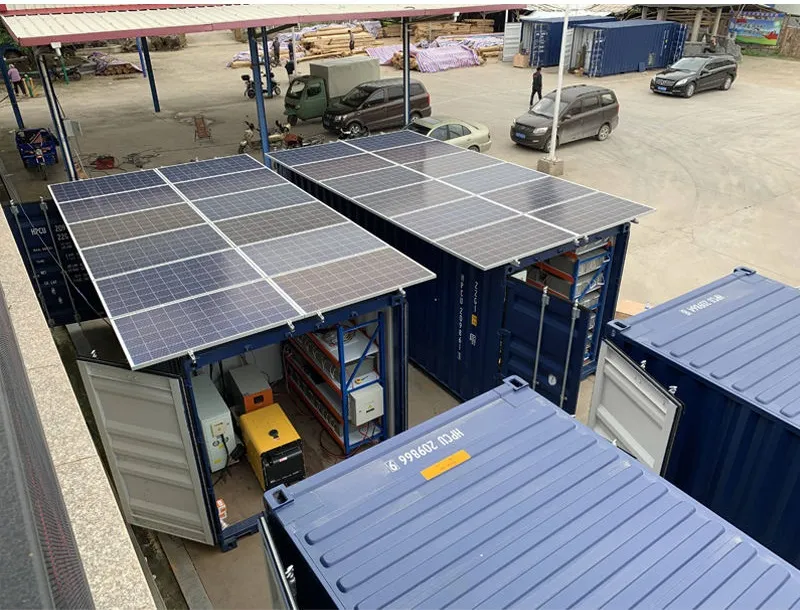
In today's world, building isn't just about putting up walls and roofs anymore. It's about creating spaces that work with the planet, not against it. As more countries and companies commit to net-zero carbon goals, the construction industry is rapidly shifting toward solutions that reduce environmental impact while still delivering top-notch performance. One of the most exciting innovations in this space? Flexible solar panels. These aren't your grandpa's clunky solar setups—they're sleek, adaptable, and ready to transform how we power our homes and businesses. And when it comes to sourcing these game-changing products, partnering with a one-stop architectural solution provider that understands both sustainability and the unique needs of regional markets can make all the difference.
Enter Coloria Group—a name that's become synonymous with reliability in the global building materials scene. With decades of experience under their belt and a strong foothold as a Saudi Arabia building materials supplier , Coloria isn't just selling products; they're offering a vision. A vision where construction projects, whether residential or commercial, don't have to choose between quality, efficiency, and eco-friendliness. Their flexible solar panels are a perfect example of this commitment, blending cutting-edge technology with the practicality that comes from truly understanding the challenges of modern construction.
Let's start with the basics: What makes flexible solar panels so special? Traditional solar panels are rigid, heavy, and often limited to flat surfaces like rooftops. They get the job done, but they're not exactly versatile. Imagine trying to install those on a curved commercial building facade, a sloped residential roof with complex angles, or even a lightweight structure like a greenhouse. You'd run into issues with fit, aesthetics, and even structural stress from the weight.
Flexible solar panels, on the other hand, are designed to bend and adapt. Made with thin, lightweight materials like amorphous silicon or copper indium gallium selenide (CIGS), they can conform to uneven surfaces, wrap around curves, and even be integrated directly into building materials—think solar roof tiles that look like regular shingles or facade panels that double as energy generators. This flexibility isn't just about looks; it's about maximizing space. Suddenly, every sunlit surface of a building becomes a potential power source, from walls to awnings to balconies.
Fun fact: A typical flexible solar panel weighs about 70% less than a traditional glass-panel solar module. That means less stress on building structures, easier transportation, and lower installation costs—all while delivering comparable energy efficiency.
Sustainability isn't just about generating clean energy; it's about the entire lifecycle of a product. Coloria's flexible solar panels check this box too. Many of their models are made with recyclable materials and manufactured using processes that reduce water and energy consumption compared to traditional solar production. Plus, because they're so lightweight, transporting them requires less fuel, cutting down on carbon emissions before they even reach the construction site.
And let's not forget the big picture: By integrating solar power directly into building design, projects can significantly reduce reliance on fossil fuels for electricity. For example, a residential building equipped with flexible solar panels might generate enough energy to power lighting, appliances, and even heating/cooling systems, slashing utility bills and carbon footprints in one go. For commercial projects like hotels or office complexes, the savings add up even faster—making green construction not just an ethical choice, but a smart financial one too.
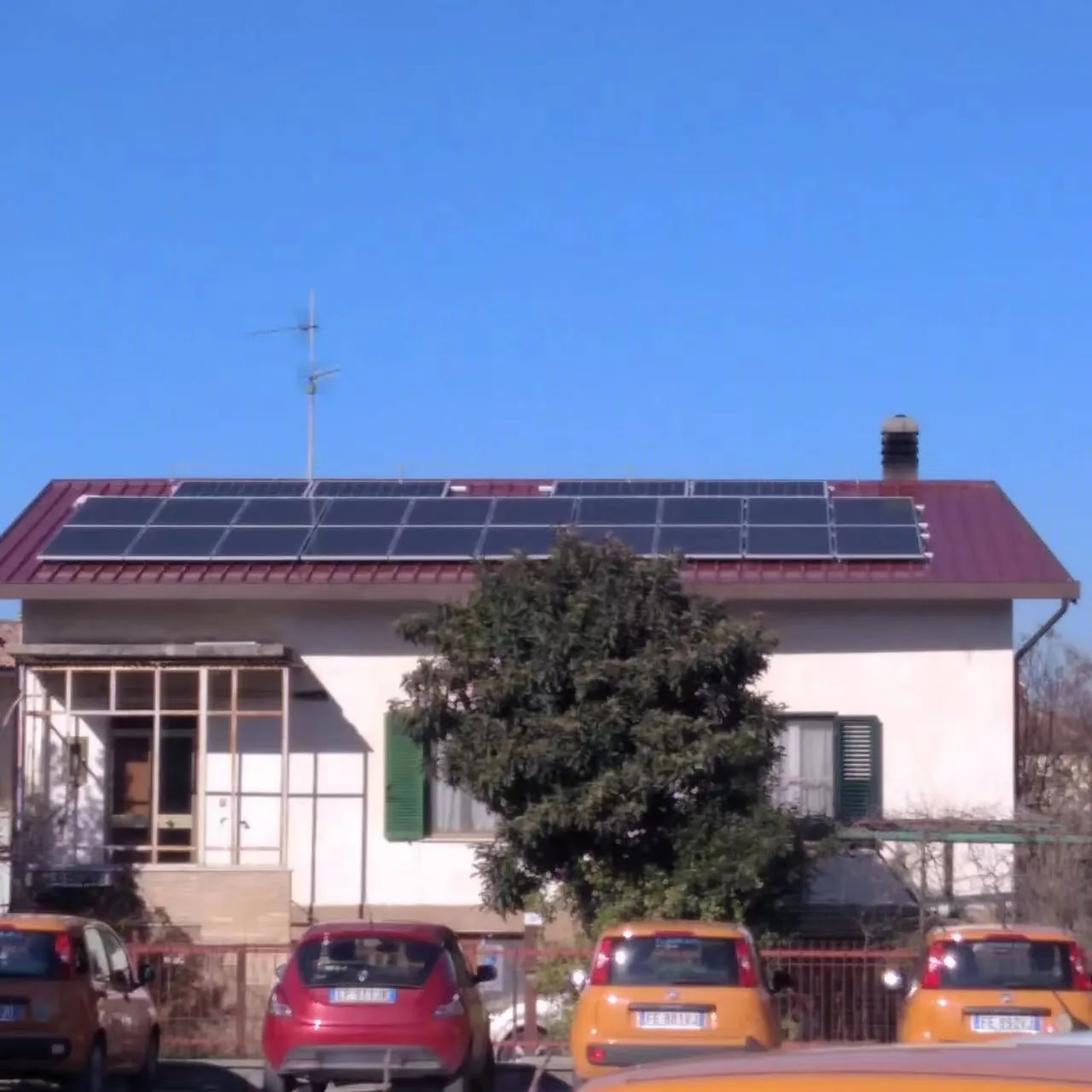
So, what sets Coloria's flexible solar panels apart from the competition? It starts with their approach to product development. Unlike companies that focus solely on solar technology, Coloria is a solar panels supplier that thinks like a builder. They know that in the real world, construction projects have tight deadlines, unique architectural demands, and budget constraints. That's why their panels are engineered to be durable, easy to install, and compatible with a wide range of building materials—from their own line of wall panels and roofing solutions to third-party products.
Take the Middle East, for example. With scorching temperatures, intense sunlight, and occasional sandstorms, building materials here need to be tough. Coloria's flexible solar panels are tested to withstand extreme heat (up to 85°C), high humidity, and even minor impacts from debris. Their weather-resistant coating prevents discoloration and performance degradation over time, ensuring that the panels keep generating power efficiently for 25+ years—longer than many traditional roofing materials.
This durability isn't just a plus for desert climates. In coastal areas, the panels resist saltwater corrosion; in colder regions, they handle frost and snow without cracking. It's this versatility that makes them a go-to choice for architects and contractors working on projects around the globe.
Here's where being a one-stop solution provider really shines. Let's say you're building a luxury villa in Riyadh. You want solar panels that blend with the modern facade, but you also need high-quality flooring, energy-efficient windows, and maybe even custom kitchen appliances. Instead of coordinating with five different suppliers, you can get everything from Coloria—including the flexible solar panels. Their team works with you from the design phase, ensuring that the solar system integrates smoothly with other materials. For instance, their bamboo charcoal board wall panels (a popular choice for eco-friendly interiors) can be installed alongside solar-powered lighting systems, creating a cohesive, energy-efficient space from floor to ceiling.
This integration saves time, reduces communication headaches, and often leads to cost savings too. When all your materials come from one supplier, you're not just getting products—you're getting a unified vision for your project's success.
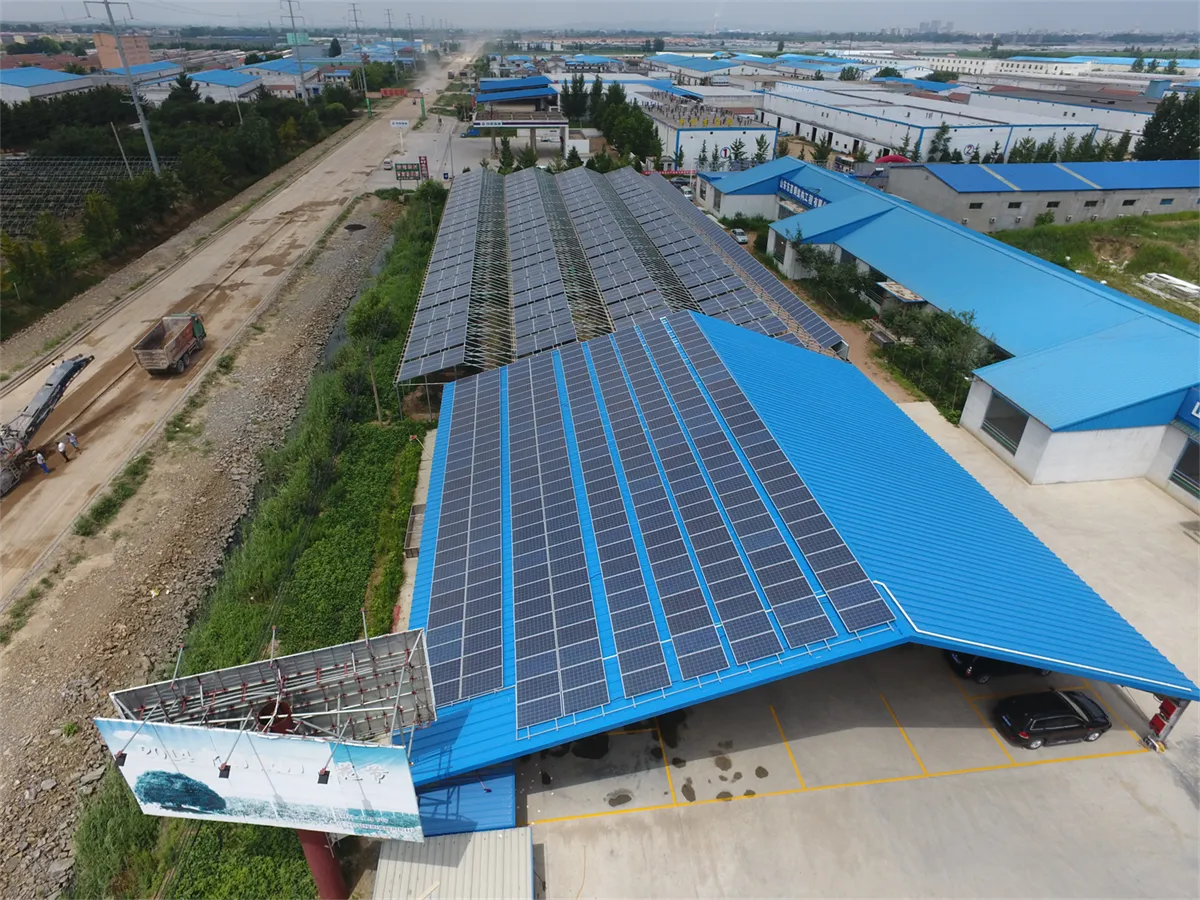
While Coloria serves clients worldwide, their presence in Saudi Arabia is a major advantage for regional projects. As a Saudi Arabia building materials supplier with a local (representative office) and a team that understands the ins and outs of the Saudi market, they bring a level of expertise that international-only suppliers can't match. Let's break down why this matters:
One recent project that showcases this synergy is a residential complex in Jeddah. The developer wanted to meet Saudi Arabia's increasing green building certification requirements while keeping costs manageable. Coloria stepped in with a package that included flexible solar panels, energy-efficient windows, and LED lighting systems. The result? A development that generates 30% of its energy needs on-site, reduces water usage by 20%, and qualified for a government sustainability grant—all while staying on budget.
Still on the fence about whether flexible solar panels are right for your project? Let's compare them head-to-head with traditional rigid panels across key factors that matter to builders and developers:
| Feature | Flexible Solar Panels (Coloria) | Traditional Rigid Solar Panels |
|---|---|---|
| Weight | 0.5–1 kg per square meter (ultra-lightweight) | 1.8–2.5 kg per square meter (heavier, requires structural support) |
| Installation | Can be installed with adhesives or lightweight mounting systems; no need for heavy equipment. Ideal for curved or uneven surfaces. | Requires metal racking systems and professional installation with tools. Limited to flat or slightly sloped surfaces. |
| Durability | Shock-resistant, weatherproof, and designed to withstand high winds and temperature fluctuations (tested up to 120 km/h winds). | Durable but prone to cracking if bent or impacted; glass surfaces can shatter. |
| Aesthetics | Thin, low-profile design that blends with building facades and roofs. Available in neutral colors to match architectural styles. | Bulky, visible panels that can disrupt roof or facade design; limited color options. |
| Cost-Effectiveness | Slightly higher upfront cost, but lower installation and transportation costs. Better long-term savings due to versatility and reduced structural needs. | Lower upfront cost, but higher installation and potential structural reinforcement expenses. Less flexible, limiting energy generation potential. |
As you can see, while traditional panels have their place, flexible solar panels offer a level of adaptability and practicality that's hard to beat—especially for projects where design, weight, or surface complexity is a concern.
Talk is cheap—let's look at some real projects where Coloria's flexible solar panels have made a difference. These examples show how versatile and effective these panels can be across different construction types:
A private client wanted to build a luxury villa that was both energy self-sufficient and architecturally striking. The design featured a curved roof and a facade with varying angles—challenges for traditional solar panels. Coloria proposed their flexible solar panels, which were installed directly onto the roof's curved surface and even integrated into the south-facing facade. The result? The villa generates 100% of its electricity needs during the day, with excess energy stored in batteries for nighttime use. The panels blend so seamlessly with the design that many visitors don't even realize they're there—proof that sustainability and aesthetics can go hand in hand.
A hotel chain wanted to reduce operating costs and attract eco-conscious travelers. Coloria supplied flexible solar panels for the hotel's rooftop and the awning over its outdoor pool area. The panels now power the hotel's lighting, pool pumps, and part of its air conditioning system. In the first year alone, the hotel saw a 22% reduction in energy bills. Plus, the solar setup became a marketing point—guests love knowing they're staying in a place that prioritizes sustainability.
As part of Saudi Arabia's push to green public buildings, a new school in Dammam needed to meet strict sustainability standards. Coloria's flexible solar panels were installed on the roof and combined with their Class A fireproof CPL inorganic wall panels (another product in their sustainable lineup) to create a safe, energy-efficient learning environment. The solar system provides enough power to run the school's computers, lighting, and science labs, reducing reliance on the grid and teaching students firsthand about renewable energy.
At the end of the day, there are plenty of solar panel suppliers out there. So why pick Coloria? Here's the bottom line: They're not just selling a product—they're partnering with you to make your project a success. From the initial design consultation to post-installation support, their team is there every step of the way. Let's recap the key reasons clients keep coming back:
So, whether you're building a small home or a large commercial complex, if you're serious about green construction, flexible solar panels are worth considering. And when you choose Coloria, you're choosing a partner who understands the big picture—how every material, every decision, contributes to a more sustainable, efficient, and beautiful built environment.
As we look ahead, one thing is clear: the construction industry's future is green. Governments, consumers, and businesses are demanding more sustainable solutions, and technologies like flexible solar panels are leading the charge. They're not just a trend—they're a fundamental shift in how we think about buildings: not just as structures, but as active participants in the energy ecosystem.
Coloria is proud to be at the forefront of this shift, combining innovation, practicality, and a deep respect for the planet to deliver solutions that work for today's projects and tomorrow's goals. So, if you're ready to build something that lasts—for your clients, for your bottom line, and for the planet—flexible solar panels might just be the missing piece. And when you're ready to take that step, Coloria will be right there with you, every bend and curve of the way.
Recommend Products












