
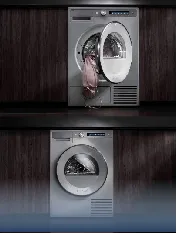
Transforming laundry efficiency through advanced engineering
That moment when your favorite sweater shrank in the wash? We've all been there. What if I told you those laundry mishaps could become relics of the past thanks to some seriously cool tech? Buckle up, because we're diving deep into the innovations making our washing machines smarter than ever.
Here's the thing: Your grandparents' washing machine used about 150 liters of water per load. Modern high-efficiency machines? As little as 25 liters . That's not just saving water - it's cutting energy bills and making your clothes last longer. But how?
Imagine your washing machine's motor as the quarterback of a football team. Traditional motors are like quarterbacks who only know two plays: "full power" or "off." Variable frequency drives (VFDs)? They're the superstar quarterbacks reading defenses and adjusting every throw.
Here's why this matters for your laundry:
| Performance Metric | Traditional Motor | Variable Frequency Motor |
|---|---|---|
| Startup Energy Consumption | 800-1200W | 200-350W |
| Noise Level | 65-75 dB | 50-60 dB |
| Energy Efficiency | C Rating | A+++ Rating |
| Motor Lifetime | 7-10 years | 12-15 years |
Now let's talk water temperature. For decades, we've been told cold washes are best - but that's changing dramatically. New hot water optimization systems are turning this conventional wisdom on its head.
Traditional hot water systems in washing machines were like turning on a hot faucet and hoping for the best. Today's optimized systems? More like a precision espresso machine.
Hot Tip: New heating systems can bring water to 60°C in under 5 minutes (old systems took 20+ minutes). This cuts energy use by 40% for hot washes while maintaining cleaning power.
Here's what makes these systems game-changers:
When these two technologies dance together, the results are impressive:
Think about athletic wear - those stubborn sweat stains and odors. Modern machines with these technologies can handle them at just 40°C efficiently, where older machines needed 60°C+. That's saving enough electricity per year to power your phone for 15 years!
Here's where it gets fascinating. This technology creates ripple effects throughout our homes and communities:
Community Impact: If every U.S. household used one of these machines, we'd save enough water in a year to fill 250,000 Olympic swimming pools. The energy savings? Equivalent to taking 4 million cars off the road.
But let's bring it back to personal impact:
| Laundry Challenge | Traditional Machine | Advanced Technology Machine |
|---|---|---|
| Removing tough food stains | Needs 60°C cycle | Can remove at 40°C |
| Monthly Energy Cost (avg. family) | $15-25 | $6-12 |
| Clothes lifespan reduction | 30-40% faster | 10-15% faster |
| Water Consumption | 120-150 liters/cycle | 25-40 liters/cycle |
The innovations we're already seeing:
But the most exciting development? Integration with energy efficient appliances across your home. Imagine your washing machine communicating with your water heater to coordinate heating schedules, or with your solar panels to run when renewable energy is peaking.
This kind of smart home integration doesn't just save you money - it creates an ecosystem of efficiency where your appliances work together like a well-coordinated orchestra.
So next time you toss in a load, remember: that humming box is doing some serious technological heavy lifting. Variable frequency motors and hot water optimization represent how precision engineering can transform even our most routine chores into marvels of efficiency. And with new technologies on the horizon? That stain-fighting, energy-saving, clothes-preserving future is looking brighter than ever.
Recommend Products












