


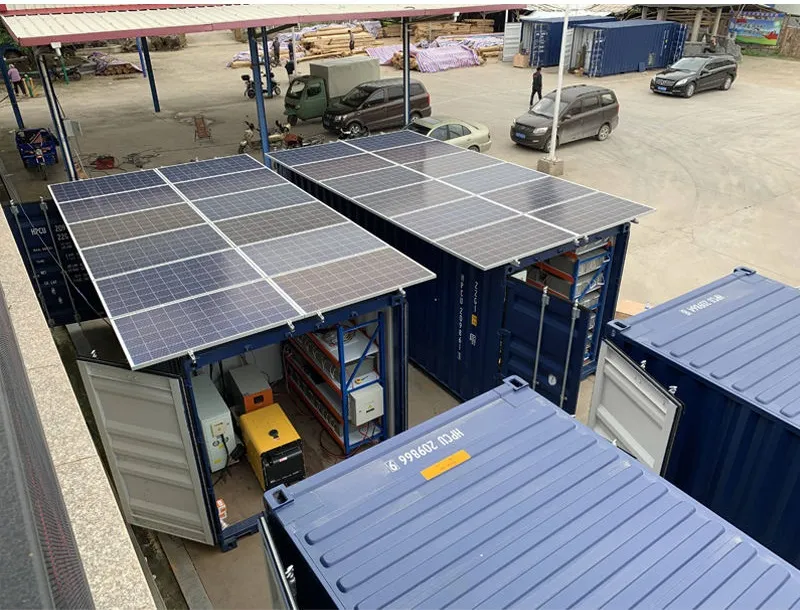
When it comes to solar energy, one thing's crystal clear: high-efficiency panels are grabbing the spotlight. But here's the real question on everyone's mind – do they really justify that steeper upfront price tag? Let's cut through the hype and dive deep into what makes these panels different, where the costs come from, and whether they'll actually save you more cash in the long haul.
The Efficiency Edge: What Sets Them Apart
First off, what does "high-efficiency" really mean in the solar panels world? We're talking panels that convert more sunlight into electricity than your standard models. While typical silicon panels hover around 15-18% efficiency, these high-performers push 22-25%. That might not sound like a huge jump until you consider...
Imagine two neighbors with identical rooftops. One installs regular panels, the other goes premium. The high-efficiency household could squeeze out 30% more juice from the same sunny patch. That's the kind of difference that matters when space is tight or your energy appetite's big.
But it's not just about space savings. These top-tier panels also shine (pun intended) in less-than-perfect conditions. Cloudy days? Partial shade? High humidity? They hold their ground better where others struggle, turning marginal days into worthwhile energy producers.
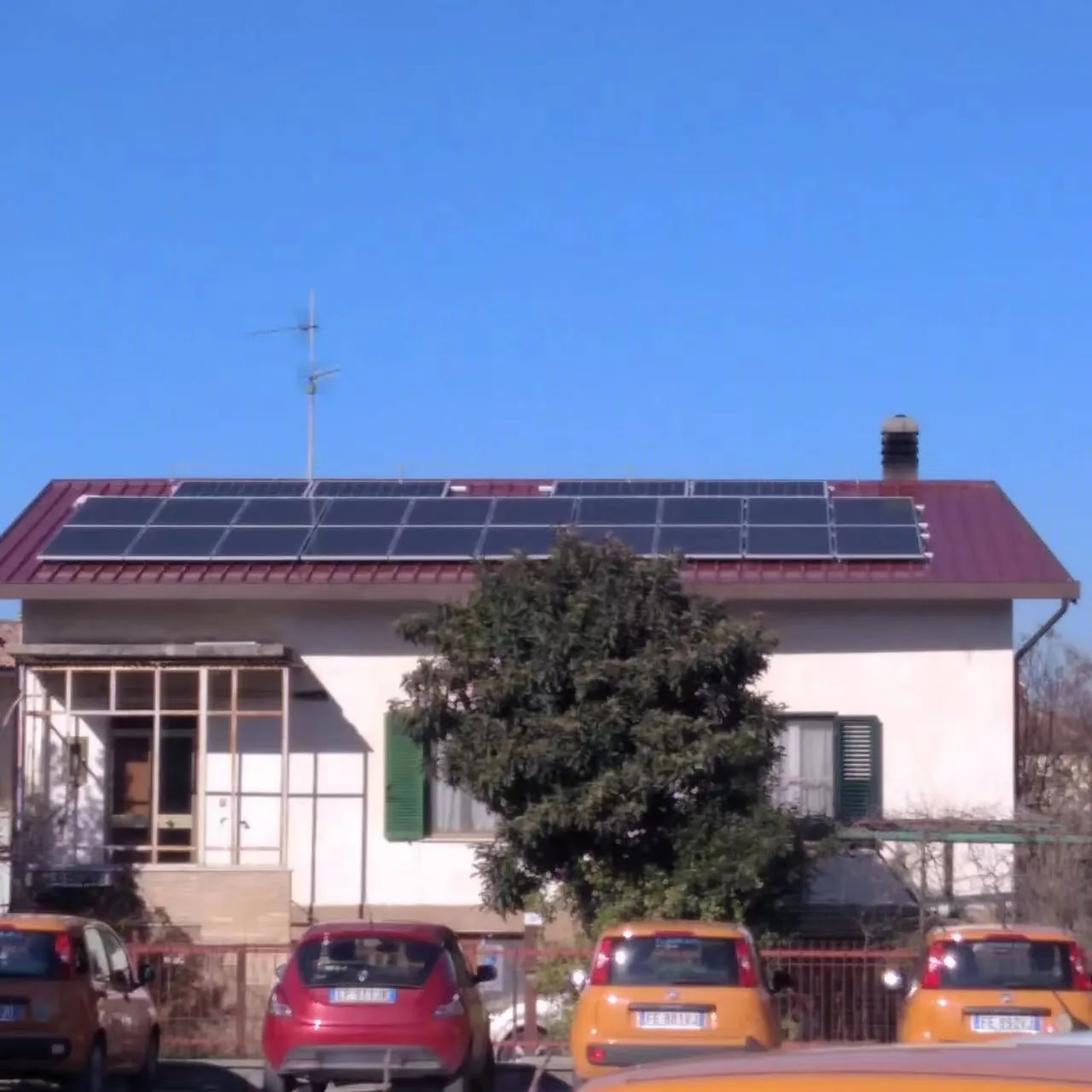
The Price Puzzle: Where Your Money Goes
Okay, let's talk numbers. High-efficiency panels typically cost 20-40% more per watt than standard options. Why the premium? Three big reasons:
1. Fancy Footwork: Materials like monocrystalline silicon or cutting-edge PERC cells require pricier manufacturing. Think top-shelf whisky versus well whiskey – both get the job done, but the craftsmanship shows.
2. Smarter Brains: Many premium panels come with built-in microinverters or optimizers that manage each panel individually. This tech boosts performance but adds to the bottom line.
3. Beauty Marks: Unlike clunky old panels, many modern high-efficiency models have sleek, low-profile designs perfect for visible installations. Aesthetics ain't free, folks.
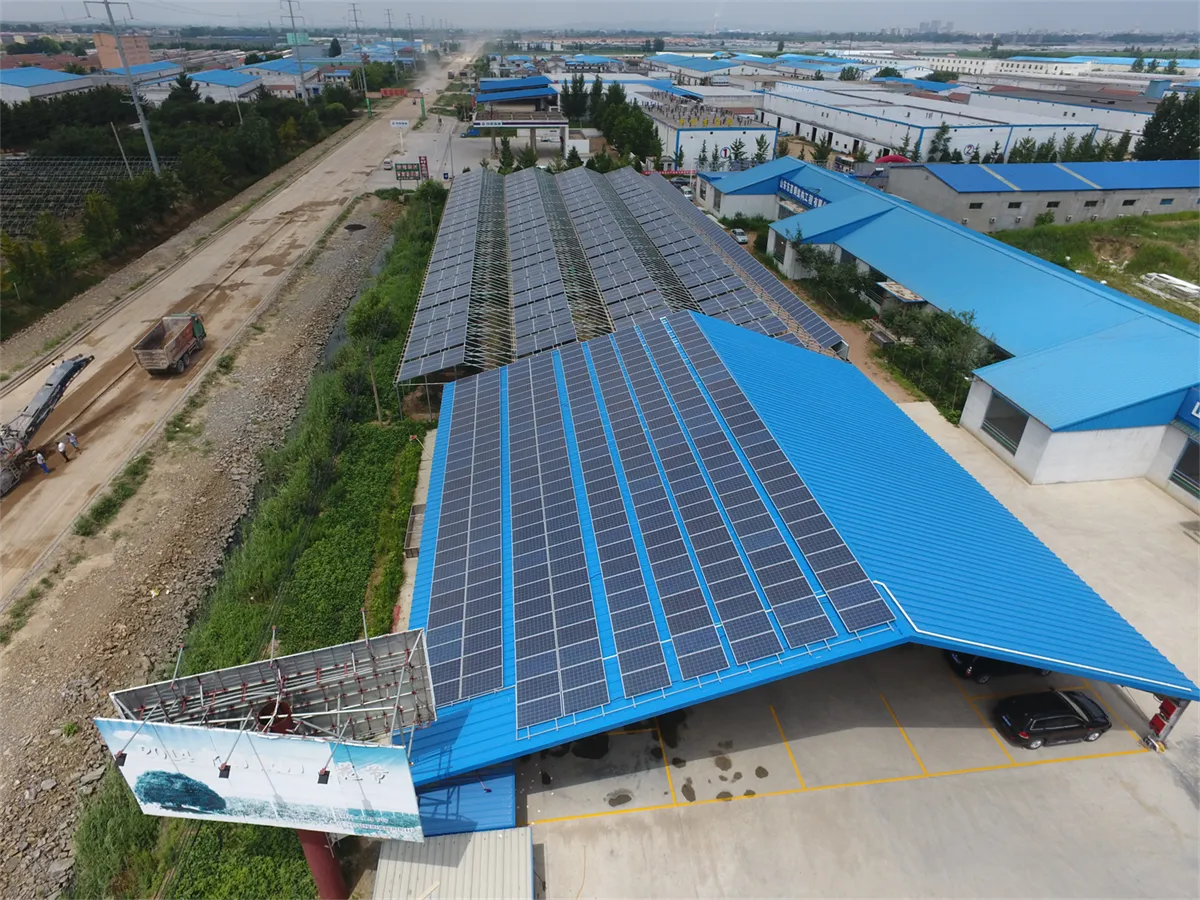
Payback Playbook: When Savings Meet Costs
This is where rubber meets road. Calculate your potential payback with these factors:
Space Premiums: Got a cramped rooftop? High-efficiency panels let you max out limited space. For city dwellers or small properties, this can mean hitting energy independence where regular panels couldn't.
Regional Discounts: Sun-scorched Arizona? High-efficiency's edge shrinks there. Cloudy Washington? Now we're talking meaningful gains. Efficiency differences magnify when sunlight gets scarce.
Longer Legs: Premium warranties (often 25 years versus 12-15 for basic panels) mean these systems frequently outlive their budget counterparts. Extra years of nearly-free electricity move the needle on lifetime value.
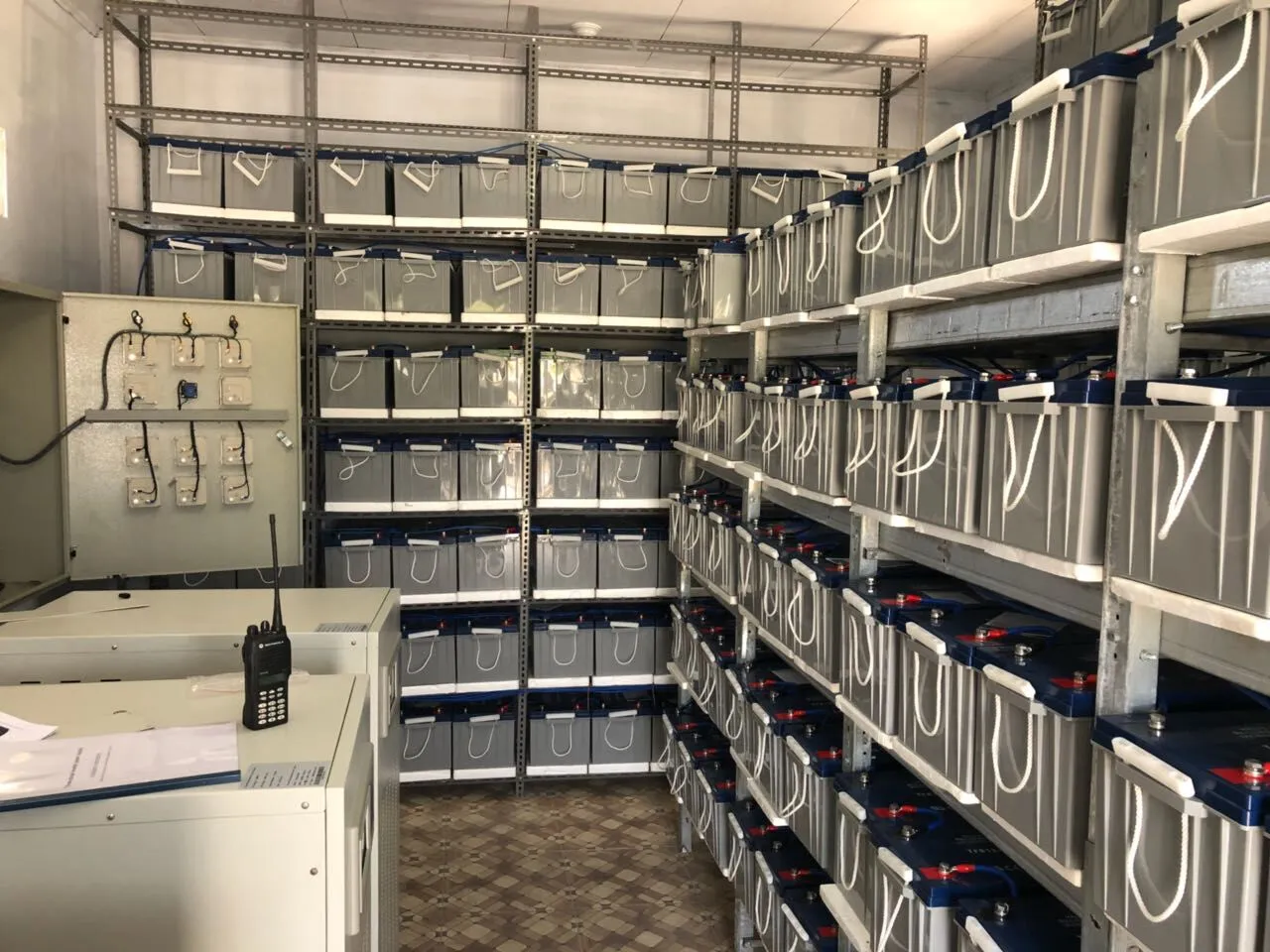
Real Talk: Case Studies That Speak Volumes
The Millers in Vermont upgraded to high-efficiency panels when expanding their century farmhouse. Despite New England's moody weather, they sliced their payback period to just 6 years through boosted winter production and state incentives.
Meanwhile, TechFlow Solutions installed high-efficiency solar panels on their San Jose HQ. The tight roof space only allowed premium options to meet their ambitious 100% renewable goal. The unexpected bonus? Their slick panel array became a PR magnet, attracting eco-conscious clients.
"We'd have needed twice the roof for basic panels," admits CEO Dana Lee. "The math worked – barely – but the statement it makes aligns perfectly with our brand ethos."
Beyond Dollars: Hidden Value Points
Let's not reduce this to a pure accounting exercise. High-efficiency panels often deliver intangible perks:
Green Street Cred: Premium panels frequently use responsibly sourced materials with cleaner manufacturing footprints. That environmental karma feels pretty sweet when flip-flopping between sustainable options.
Resale Rocket Fuel: Multiple studies show homes with high-efficiency solar systems command premium prices. Buyers see them as maintenance-free power plants rather than awkward roof appendages.
Bidirectionality: With vehicle-to-grid technology emerging, your future electric car might sip from your high-efficiency solar surplus. Future-proofing has its charms.
Context Matters: Who's Really Winning?
Here's where the math shifts from lab to real life:
For homeowners with ample, unshaded roof space? Standard panels often win on pure economics. Why pay for density you don't need?
But if you're pinched for space, face challenging conditions, or want that premium look? High-efficiency starts looking irresistible. And for commercial properties where rack space equals revenue potential? Efficiency upgrades frequently become no-brainers.
Looking Up: Where Solar's Headed Next
The efficiency frontier keeps advancing. Perovskite-silicon tandems are pushing toward 30% efficiency in labs while next-gen manufacturers are slashing production costs.
Future innovations like floating solar farms or transparent solar windows will likely leverage high-efficiency technology. This isn't a static choice, but part of an accelerating revolution.
The Bottom Line: To Splurge or Not?
Here's the honest truth: high-efficiency solar panels earn their keep in specific scenarios. They're not magic money machines for every situation, but strategic investments that pay dividends when circumstances align.
In many situations, that efficiency premium transforms from cost to catalyst – unlocking possibilities basic panels can't touch. Whether it's squeezing energy from limited spaces, powering through imperfect weather, or making an architectural statement, their value extends beyond simple payback calculations.
So is the higher initial investment worth it? For the right project, in the right location, with the right goals? Absolutely. But it takes thoughtful analysis – not hype – to spot those golden opportunities.










