
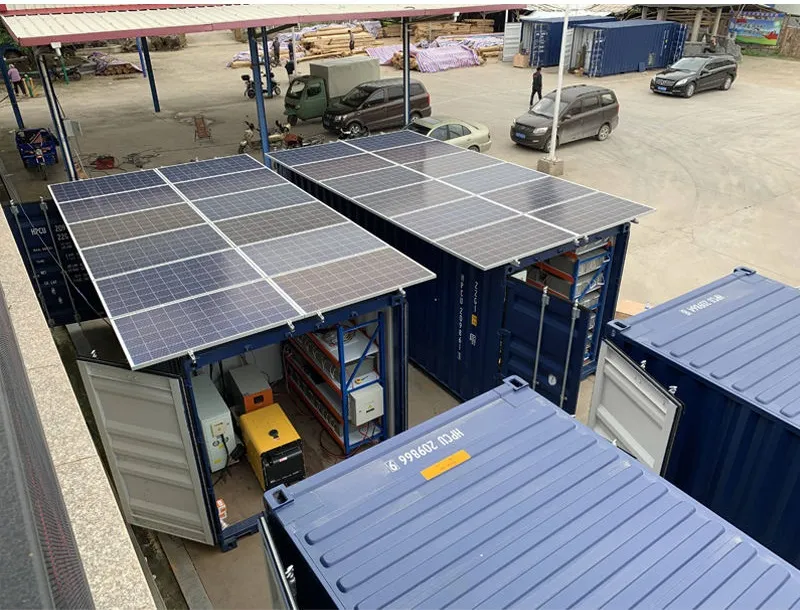
In the heart of Saudi Arabia's vast deserts and fertile oases, agriculture has long been a cornerstone of the nation's heritage and economy. From date palm plantations that stretch across the landscape to modern greenhouse facilities nurturing high-value crops, the sector plays a vital role in food security and rural development. Yet, for all its importance, Saudi agriculture faces a pressing challenge: energy. With soaring temperatures, intensive irrigation needs, and a reliance on traditional power sources, farmers and agricultural businesses are increasingly seeking sustainable, cost-effective energy solutions. Enter high-efficiency industrial solar panels—a technology that not only addresses energy costs but also aligns with Saudi Arabia's ambitious sustainability goals. As a leading building material supplier with deep roots in the region, Coloria is proud to power this transition, offering solar solutions tailored to the unique demands of Saudi agricultural projects.
Saudi Arabia's agricultural sector is no stranger to harsh conditions. With average temperatures exceeding 45°C in summer and limited freshwater resources, farmers rely heavily on energy-intensive systems to keep operations running: irrigation pumps that draw groundwater, climate-controlled greenhouses that maintain optimal growing conditions, and processing facilities that preserve harvests. Traditional energy sources—primarily fossil fuels—have long been the backbone of these operations, but they come with significant drawbacks:
For a date farm in Al-Ahsa or a greenhouse complex in Riyadh, these challenges aren't just numbers on a spreadsheet—they're barriers to growth. A 2024 study by the Saudi Ministry of Environment, Water, and Agriculture (MEWA) found that energy costs account for up to 35% of total operational expenses for mid-sized agricultural businesses. It's clear: the sector needs a smarter, more sustainable energy solution.
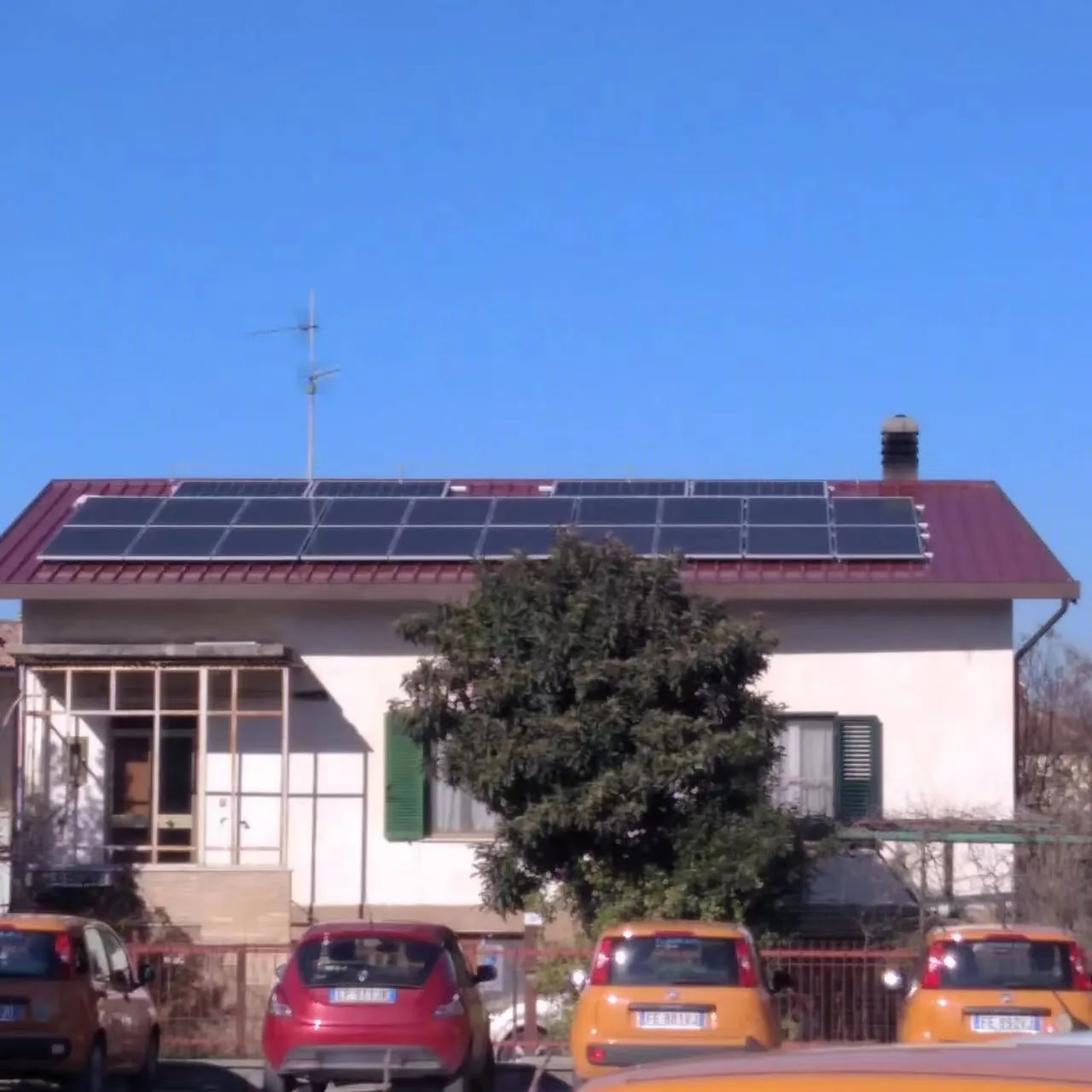
Solar energy isn't new to Saudi Arabia—its abundant sunlight (over 3,000 hours of sunshine annually) makes it a natural fit. But industrial-grade solar panels, designed specifically for agricultural applications, take this potential to the next level. Unlike residential solar systems, these panels are built to withstand extreme heat, sandstorms, and the heavy energy demands of agricultural machinery. Let's break down their advantages:
| Feature | Traditional Fossil Fuels | Coloria High-Efficiency Industrial Solar Panels |
|---|---|---|
| Cost Over 20 Years | High (subject to fuel price hikes) | 70-80% lower (minimal maintenance, no fuel costs) |
| Carbon Footprint | High (CO2 emissions from combustion) | Zero (clean energy production) |
| Reliability in Remote Areas | Low (dependent on fuel delivery and grid access) | High (standalone systems with battery storage options) |
| Durability | Generators require frequent repairs | 25-year warranty, dust-resistant coating, heat tolerance up to 60°C |
| Alignment with 2030 Vision | Limited (contributes to carbon emissions) | Strong (supports sustainability and green growth goals) |
Our industrial solar panels aren't just "one-size-fits-all"—they're engineered to meet the specific demands of agricultural projects:
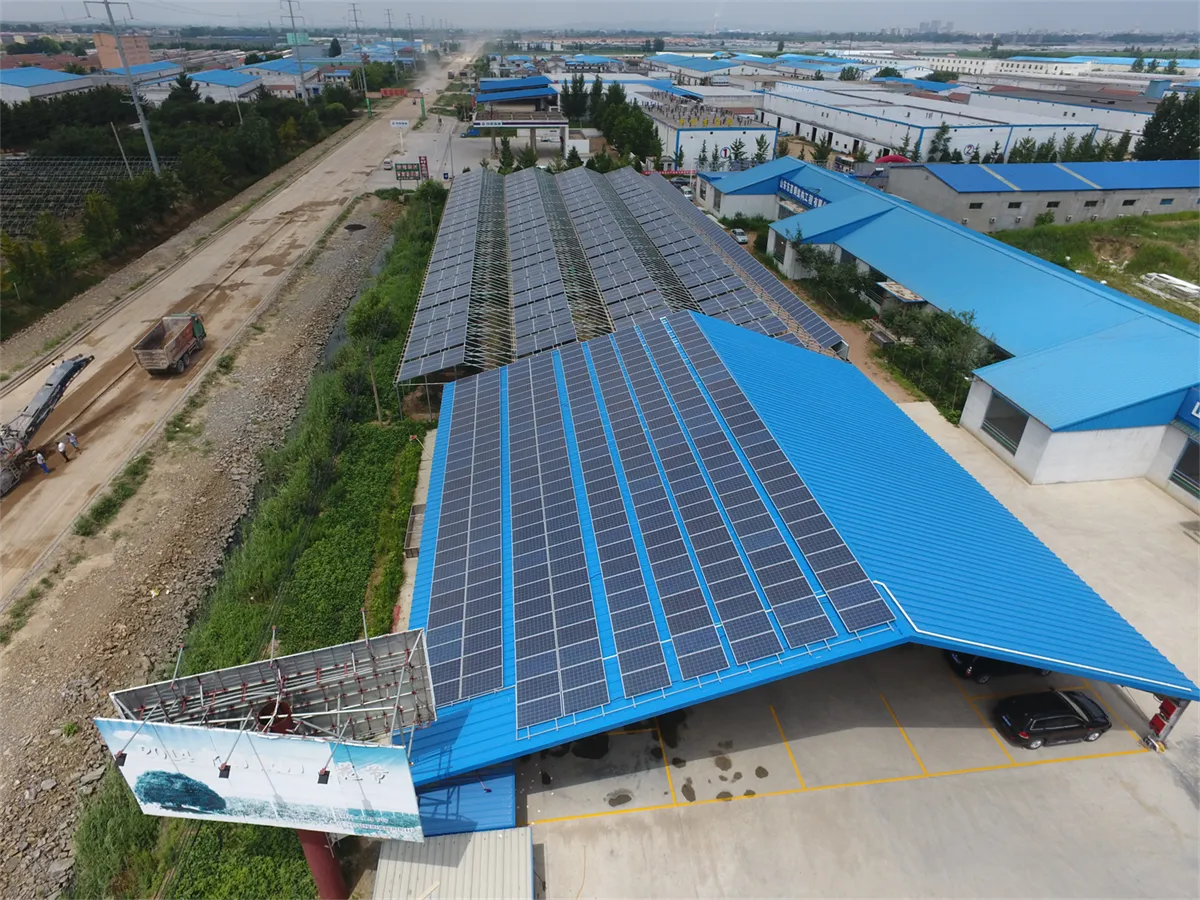
Choosing the right solar provider is about more than just panels—it's about trust, local expertise, and a commitment to your project's long-term success. As a saudi arabia building materials supplier with decades of experience, Coloria stands out for three key reasons:
With a dedicated agency in Saudi Arabia, our team speaks the language of local agriculture. We understand the unique challenges of desert climates, from sand accumulation on panels to extreme temperature fluctuations. Our engineers conduct on-site assessments to design systems that account for factors like sun angle in Riyadh vs. Dammam, ensuring maximum energy production year-round. For example, a greenhouse project in Al-Qassim required panels with a special anti-reflective coating to handle frequent dust storms—we delivered a customized solution within 6 weeks, half the industry average.
Agricultural projects rarely need just solar panels—they need a complete ecosystem. From the initial design phase to installation and maintenance, Coloria's one-stop approach eliminates the hassle of coordinating with multiple vendors. Here's how it works:
For a large-scale agricultural development in Neom, this model saved the client over 40% in project management costs compared to working with separate solar and construction vendors.
Saudi Arabia's 2030 Vision isn't just a policy—it's a promise to build a more sustainable, diversified economy. Coloria's sustainable products , including our high-efficiency solar panels, align with two key pillars of this vision: localization and green growth .
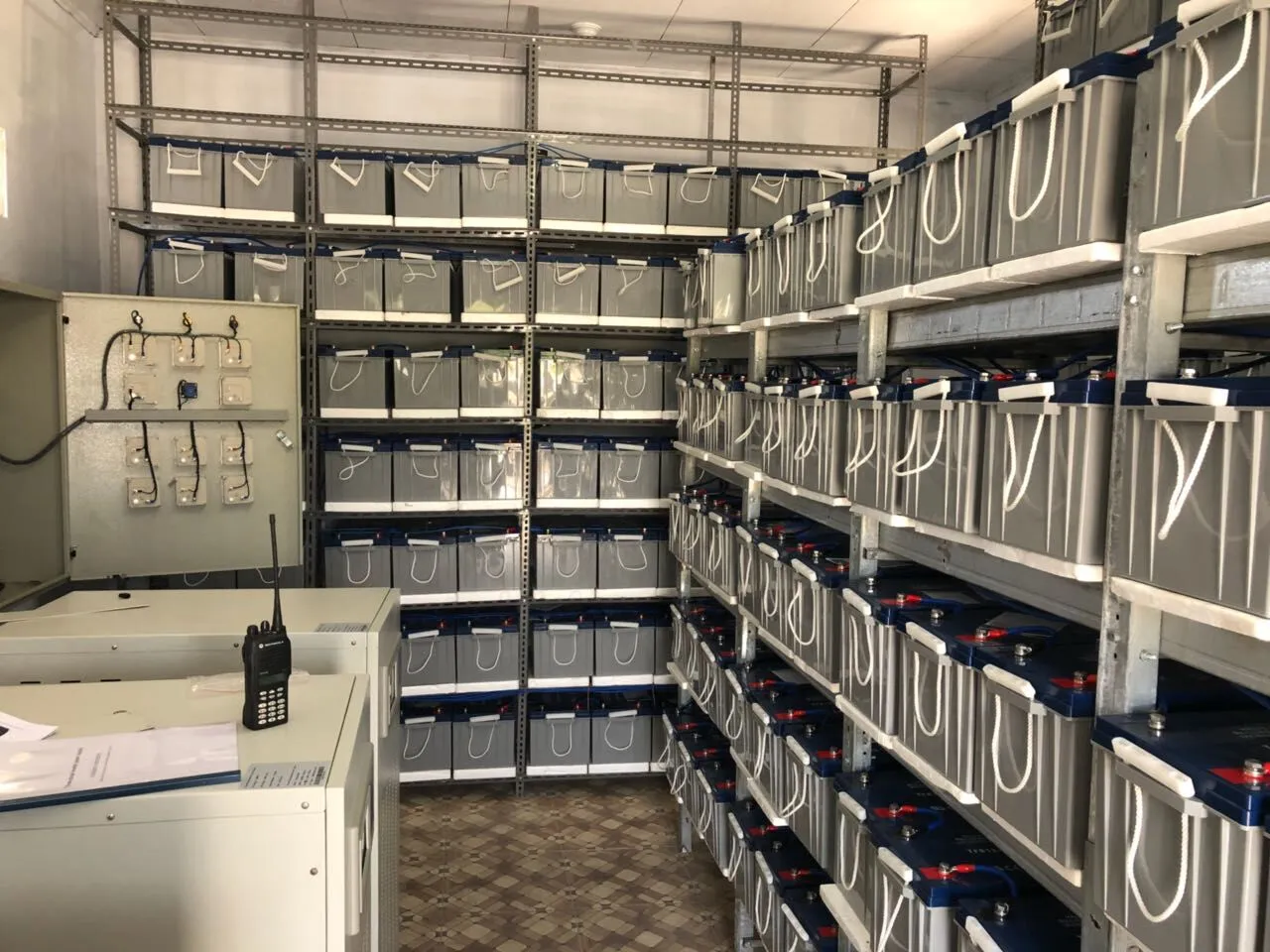
Numbers tell a story, but real-world impact speaks louder. Let's look at Al-Rawdah Farms, a family-owned date palm business in Al-Ahsa with 200 acres of plantations. Before partnering with Coloria, they relied on diesel generators to power 15 irrigation pumps, spending $120,000 annually on fuel and maintenance. Here's how we transformed their operations:
Al-Rawdah's pumps ran 12 hours daily during the dry season, and the farm was located 30 km from the nearest grid connection. Diesel costs were rising, and generator breakdowns during peak harvest season risked losing thousands of dollars in crops.
We installed a 250kW solar system with battery storage, including:
"Coloria didn't just sell us solar panels—they became a partner in our growth," said Mr. Ahmed Al-Mansoori, owner of Al-Rawdah Farms. "With the money we saved, we hired 10 more local workers and expanded our date exports to Europe. That's the power of sustainable energy."
High-efficiency solar panels do more than cut costs—they enable a new era of sustainable farming in Saudi Arabia. Here's how:
In a country where water is scarce, solar-powered irrigation systems can be programmed to use water more efficiently. For example, our smart systems sync with soil moisture sensors, ensuring pumps only run when crops need water—not on a fixed schedule. This reduces water usage by up to 20%, a critical benefit for regions like Jizan, where groundwater levels are declining.
Not all agricultural projects are large-scale. Coloria offers modular solar solutions for small farms, with systems starting at 10kW—affordable enough for family-owned date groves. A 2023 initiative with the Saudi Agricultural Development Fund (ADF) provided subsidized solar systems to 500 smallholders, increasing their average profits by 25% within a year.
As the demand for sustainable construction grows, agricultural facilities are increasingly seeking green certifications (e.g., LEED, SABER). Our solar panels, classified as sustainable products , contribute points toward these certifications, making projects more attractive to investors and government grants. A recent hotel farm in Makkah, built with Coloria's solar and green, received a 15% tax break under Saudi Arabia's green investment laws.
Saudi Arabia's 2030 Vision calls for a 50% reduction in carbon emissions by 2030—and agriculture will play a key role. With Coloria's high-efficiency industrial solar panels, farmers aren't just adopting new technology—they're shaping the future of food security and sustainability in the kingdom.
Whether you're a small date farmer in Al-Hasa or a developer of a mega-agricultural city in Tabuk, we're here to help. As a building material supplier committed to your success, we don't just sell products—we build partnerships. Let's work together to turn Saudi Arabia's sunlight into growth, one solar panel at a time.
Recommend Products












