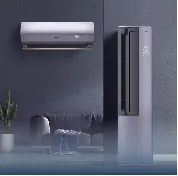
Imagine stepping into a cool sanctuary on the most sweltering summer day - that's the promise of a high-efficiency air conditioner. These modern cooling marvels do far more than blast cold air; they're precision instruments engineered to balance comfort, efficiency, and environmental responsibility. Unlike older units that guzzled electricity like thirsty dinosaurs, today's models operate with impressive sophistication. They're designed to address a fundamental question: How can we achieve maximum cooling comfort with minimum energy consumption? The secret lies in understanding three pillars: cooling capacity, coverage area, and the Energy Efficiency Ratio. Getting these factors right transforms your space into a perfectly climate-controlled environment while keeping your energy bills pleasantly surprising. This comprehensive guide unpacks each component, revealing how they interact to create efficient cooling systems and why investing in the right unit matters more than you might realize.
Cooling Capacity: The Heartbeat of Your AC
Cooling capacity is essentially your air conditioner's muscle - it measures how quickly a unit can extract heat from a space. Think of it as the cooling horsepower. British Thermal Units (BTUs) serve as the universal measurement. One BTU equals the energy needed to increase the temperature of one pound of water by one degree Fahrenheit. The higher the BTU rating, the more powerful the cooling performance.
What few homeowners realize is that
too much capacity
causes nearly as many problems as too little. An oversized AC will cool your space rapidly but shut off before completing a full cycle. This creates a frustrating pattern of chilly blasts followed by stuffy periods, along with uneven temperatures and excessive humidity. The constant on-off cycling stresses components and wastes energy. It's like driving your car in stop-and-go traffic versus cruising on the highway.
Calculating Your BTU Requirements
Finding your sweet spot starts with square footage but involves more nuanced considerations. A basic rule suggests 20 BTUs per square foot, but real-world calculations must factor in your environment and space characteristics:
|
Space Condition
|
BTU Adjustment
|
|
Standard Height Ceilings (8 ft)
|
No adjustment
|
|
High Ceilings (9-10 ft)
|
+10%
|
|
Kitchen Space
|
+4,000 BTUs
|
|
Sun-Filled Room (South/West exposure)
|
+10%
|
|
Frequently Occupied (3+ people regularly)
|
+600 BTUs per person
|
Pro Tip:
Consider zoning solutions for multi-level homes. Instead of one massive unit straining to cool your entire house, multiple smaller units or ductless mini-splits allow customized temperature control. You maintain comfort where it matters without wasting energy on empty rooms.
Coverage Area: Matching Machine to Space
Coverage area answers the question: "Where will this cool effectively?" It's the flip side of cooling capacity – how much space your BTU rating reasonably serves. Manufacturers typically list recommended coverage areas (like 500 sq ft for compact units, up to 1,500 sq ft for high-capacity systems), but these assume ideal conditions. Real-world factors dramatically affect actual performance.
Insulation quality
powerfully influences coverage area efficiency. Poorly insulated rooms bleed cooled air like a sieve, forcing your AC to work constantly. You might need to either improve your insulation or select a stronger unit to compensate. Older brick construction or single-pane windows create the opposite effect of well-insulated modern apartments with energy-efficient windows.
Climate considerations
matter too. If you're sweating through humid Maryland summers, you'll need different performance than someone facing Arizona's dry desert heat. High humidity requires AC systems that prioritize extended run times to remove moisture effectively. Oversized units here create clammy discomfort despite the cool air.
Beyond Square Footage: Advanced Coverage Factors
Airflow distribution
separates adequate cooling from true comfort. Rooms with poor ventilation create hot/cold zones. Strategic vent placement or duct booster fans can solve this. For ductless systems, consider multiple evaporator units serving different zones rather than one central unit struggling to push air down long hallways.
Vertical space
dramatically impacts performance. Those soaring cathedral ceilings look impressive but require up to 25% more BTUs than standard-height rooms. Cool air sinks while heat rises, creating complicated circulation dynamics. High-volume spaces need properly sized units combined with ceiling fans or specialized ventilation strategies.
Smart Solution:
When designing a new system or replacement, request a Manual J calculation from your HVAC contractor. This professional assessment accounts for all factors—window types, insulation values, sun exposure, room usage, even local climate data—precisely determining coverage needs. It's the gold standard and prevents costly mismatches.
Energy Efficiency Ratio (EER): The True Efficiency Metric
The Energy Efficiency Ratio reveals how economically an AC converts electricity into cooling. Calculated as BTUs per hour divided by watts consumed, a higher EER means more cooling per kilowatt-hour. While SEER (Seasonal EER) has gained attention, EER remains critical because it measures performance at peak outdoor temperatures when units work hardest.
What's not obvious? EER ratings assume steady-state conditions, measured under specific lab temperatures. Real-world performance varies with daily fluctuations. High afternoon heat diminishes efficiency just when you need maximum performance. Units with exceptional high-temperature maintenance outperform cheaper options when it truly matters.
Deciphering Efficiency Ratings
Inverter technology
represents a quantum leap in AC efficiency. Traditional units operate like on/off switches, running full blast until temperature targets are reached. Inverter units act more like dimmer switches, precisely modulating compressor speed to match cooling demands. The result? Near-constant operation at low power, eliminating wasteful cycling while maintaining perfect temperature consistency.
Energy Star ratings
provide valuable guidance but shouldn't replace scrutiny. Units bearing this certification meet strict efficiency requirements, but significant differences remain between qualifying models. Look beyond the sticker to actual EER numbers and specialized features like variable-speed fan motors or refrigerant type (R-32 versus older R-410A offers environmental and efficiency improvements).
Money Matters:
Analyze payback periods using your utility rates. A unit with a 15 EER might cost $800 more than a 12 EER model. At $0.15/kWh, running the AC 8 hours daily for 3 summer months saves about $100 annually. The upgrade pays for itself in 8 years. But in regions like California with tiered pricing reaching $0.45/kWh during peak times? That payback shrinks to under 3 years.
Bringing It All Together
Mastering these concepts transforms AC selection from guesswork to science. The harmonious balance of precisely calculated cooling capacity matched to your unique coverage area requirements, powered by maximum efficiency technology, creates an environment where comfort and economy coexist beautifully. When purchasing a system, demand comprehensive assessments from contractors and scrutinize specifications. That slightly higher upfront investment in properly sized, high-efficiency equipment pays lifelong dividends in comfort, energy savings, and durability. In today's climate-conscious world, investing in
high-quality
air conditioning represents both personal comfort and environmental responsibility—a truly cool combination.