


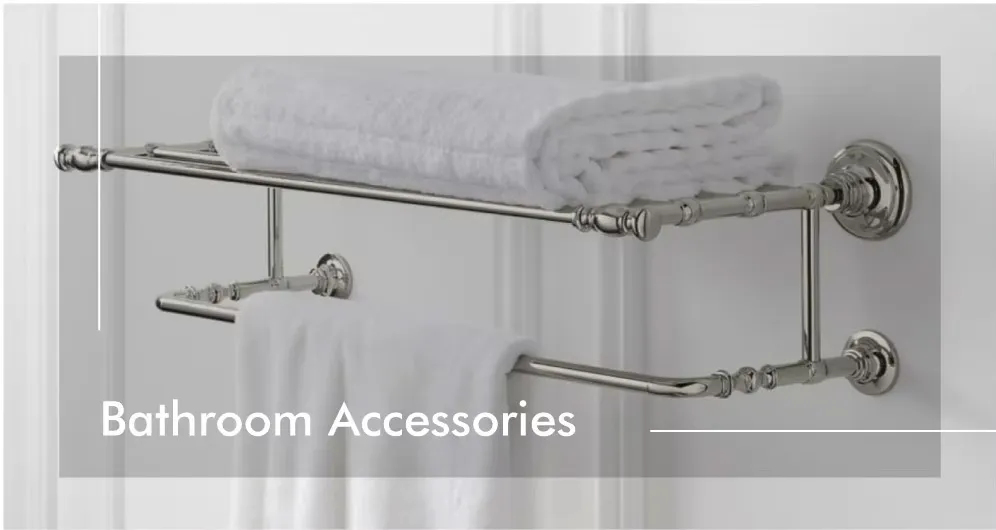
You walk into your bathroom and suddenly breathe easier. No clutter fights for attention, no chaotic colors shout at your senses - just clean lines, purposeful design, and that subtle whisper of tranquility. This isn't some five-star hotel spa; this is your personal oasis, achieved through minimalist bathroom accessories that prove less truly is more. But how do we move beyond the sterile showroom look to create spaces that genuinely work for our daily lives? Let's explore how bathroom accessories transform from decorative objects to functional allies in our quest for calm.
Minimalism often gets misinterpreted as merely emptying spaces. Real minimalism isn't deprivation - it's strategic curation. In bathrooms especially, every item must earn its place through functionality while maintaining aesthetic harmony. The magic happens when accessories disappear into their purpose, quietly enhancing our routines without announcing their presence.
The Silent Operators: Accessories That Disappear
Ever noticed how the best technology fades into the background? Minimalist bathroom accessories work on that same principle. Consider these unsung heroes:
1. The Vanity Whisperers
Wall-mounted vanities aren't just chic space-savers - they liberate your entire floor area. You gain visual breathing room and physical cleaning ease. Pair it with an undermount sink, and suddenly toothpaste splatters wipe away in one swipe rather than getting trapped in crevices.
The Practical Payoff: With surfaces flowing seamlessly into each other, bathroom cleaning transforms from chore to quick refresh. No more playing archaeologist around cabinet legs where dust bunnies multiply.
2. Dispensers in Disguise
Those matching matte-black dispensers do more than look pretty. When soap, lotion and shampoo containers coordinate, they stop shouting branding messages at you every morning. Your brain relaxes when visual noise decreases. Better yet, large-refill models mean fewer plastic bottles in landfills.
3. Storage That Doesn't Look Like Storage
Recessed niches in showers? Genius. They hold shampoo bottles securely while appearing as architectural details. Floating shelves display towels like folded art pieces rather than clutter. These solutions solve storage while contributing to the aesthetic rather than competing with it.
The Material Tango: How Substances Affect Function
Materials aren't just about looks - they actively impact your bathroom experience:
- Concrete accents aren't just trendy - their thermal mass helps regulate temperature
- Wooden bath mats drain fast while feeling gentle on bare feet
- Glass shower screens disappear visually while containing steam
- Textured tiles provide safe grip without looking like traction tape
The true minimalist challenge? Selecting materials that whisper quality without screaming for attention. Matte finishes hide fingerprints and water spots better than glossy surfaces. Natural stone variations provide visual texture without adding clutter.
Material Hack: When choosing waterproof flooring for bathroom spaces, consider large-format tiles. Fewer grout lines means less cleaning maintenance and a cleaner visual flow that makes small bathrooms appear larger.
The Lighting Balancing Act
Lighting makes or breaks the minimalist bathroom. Harsh overhead lights create prison-cell vibes, while overly dim lighting causes functional failures (razor meets skin unpredictably). The solution? Layered lighting that disappears until needed:
Mirror-side LEDs give perfect face illumination without glare. Recessed ceiling spots wash walls with gentle ambient light. Dimmable circuits let you shift from bright morning prep to soft evening soak lighting. This isn't decorative - it's functionality disguised as atmosphere.
Natural light remains the ultimate minimalist accessory. If privacy allows, unfrosted windows connect you to nature while borrowing sunlight. Light wells and skylights work magic in windowless bathrooms, bringing changing daylight that no bulb can replicate.
The Japanese Secret: Empty Space as Active Ingredient
Ever walked into a bathroom with counters empty except for one perfectly placed object? That's "ma" - the Japanese concept of intentional emptiness. Western designers call it negative space. Whatever the label, it's not passive absence but active presence:
- Space around objects lets them breathe
- Empty surfaces create visual pause points
- Uncluttered walls feel like deep inhales
How do minimalist accessories achieve this? By consolidating multiple functions into single forms. The multi-hook rack that holds towels, robes and loofahs in perfect formation. The ledge-tile serving as both design element and soap perch. Every dual-purpose feature frees up another pocket of valuable space.
Remember: Empty space isn't unused space. It's functional breathing room that reduces cognitive load and creates restful pauses.
The Minimalist Mindset Shift
Ultimately, minimalist bathroom accessories succeed by changing our relationship with stuff. They ask:
- Does this earn its space?
- Does it serve multiple purposes?
- Does it spark tranquility?
- Does maintenance feel simple?
Notice how "Is it beautiful?" comes last. Beautiful functionality naturally creates beauty. A well-designed towel hook that never drops damp towels becomes beautiful through reliability. The perfectly angled shower shelf that never accumulates grimy puddles becomes beautiful through effortless cleanliness.
Real minimalism removes friction. Not just visual friction, but friction in daily routines - wiping surfaces, locating items, avoiding stubbed toes. Accessories that minimize frustration maximize peace.
Daily Magic Moments
The true test comes in small moments:
- A drawer that slides open silently with precisely what you need
- Towel bars at exactly the right height where towels never drag
- A mirror that stays fog-free without frantic wiping
- A trash bin that opens with a foot nudge when hands are soapy
These aren't coincidences - they're evidence of well-executed minimalism. When accessories disappear into their functions, you notice not the thing but the absence of friction. That's functional realization at its best.
Final Thought: Your bathroom accessories shouldn't shout for attention. Like the best supporting actors, they elevate your daily rituals without demanding the spotlight. When every item serves purpose and peace simultaneously, you've created not just a bathroom - but a sanctuary.
Designing for Reality: The Human Touch
Pure minimalism risks feeling cold. Counter this with deliberate human touches:
- A single piece of driftwood on the counter
- A textured linen towel with imperfect folds
- A handmade ceramic soap dish
- One vibrant leaf in a tiny bud vase
Notice these aren't bulky decor pieces. They're small textural notes that prove humans, not machines, live here. They also serve subtly: The driftwood provides grip for jewelry, the textured towel offers gentle exfoliation.
This humanized minimalism creates bathrooms that function beautifully but also feel soulful. After all, what's the point of perfect efficiency if it doesn't make your shoulders relax?
The accessories we've explored - clever storage, quiet dispensers, intentional lighting - all support this balance. They manage the practical aspects so you can actually enjoy that morning coffee while getting ready or sink into an evening bath without visual distractions. That's when minimalism transforms from design theory into daily joy.
Where Less Meets Living
Minimalist bathroom design ultimately bridges the gap between elegant restraint and lived-in comfort. The bathroom accessories serve as quiet facilitators of tranquility, proving that organization shouldn't feel oppressive and simplicity doesn't require sacrifice. By elevating functionality to an art form, they transform everyday rituals into small pleasures. Your morning routine stops feeling like a rushed checklist and becomes a series of thoughtful moments.
The most successful minimalist bathrooms don't announce their design philosophy. They simply make you feel lighter when you enter, calmer when you use them, and refreshed when you leave. And that - not magazine-worthy perfection - is the true measure of functional design realized.










