

Porcelain slab tiles have become the darlings of modern interior design—sleek, durable, and versatile, they're the go-to choice for homeowners and businesses looking to elevate their walls with a touch of sophistication. But here's the thing: behind those glossy catalog photos and "unbeatable" supplier quotes, there are hidden costs that can turn your dream renovation into a budget nightmare. Whether you're a contractor tackling a commercial project or a homeowner sprucing up your living room, understanding these hidden expenses is key to keeping your project on track. Let's dive into the less-talked-about costs that often catch people off guard when working with a porcelain slab tile for wall supplier—and how to steer clear of them.
First off, not all porcelain slab tiles are created equal. You might think that any "porcelain slab tile for wall supplier" is selling a product that's durable, water-resistant, and built to last—but that's not always the case. Some suppliers cut corners to offer lower upfront prices, and those corners can cost you big time later.
One common trick? Thinning out the tile thickness. Standard porcelain slabs for walls are usually 6mm to 12mm thick, but some suppliers might push 4mm "porcelain" tiles as suitable for walls. These thinner tiles are more prone to cracking during installation or from everyday bumps, leading to costly replacements. Worse, they might not meet fire safety standards. For example, in commercial spaces like hospitals or schools, materials need to be Class A fireproof—think of the strict standards that a class a fireproof cpl inorganic board for hospital and school supplier adheres to. If your porcelain tiles aren't rated for fire resistance, you could face code violations, fines, or even have to rip out and replace entire walls to comply. That's a hidden cost no one wants to absorb.
Another red flag? Density and water absorption. Low-quality porcelain tiles have higher water absorption rates, meaning they're more likely to stain, warp, or harbor mold in humid areas like bathrooms or kitchens. A reputable supplier will share third-party lab results for density (aim for ≥2.3 g/cm³) and water absorption (≤0.5% for true porcelain). If a supplier hesitates to provide these specs, it's a sign they might be hiding subpar materials—and the hidden cost of future damage.

You've picked out your tiles, got a quote from the supplier, and breathed a sigh of relief—until the installers show up. Installation is where many hidden costs rear their heads, especially with large-format porcelain slabs (which can be as big as 10ft x 5ft). Here's why:
Installing giant porcelain slabs isn't like laying small ceramic tiles in a backsplash. These slabs are heavy (we're talking 70-100 lbs each!) and fragile, requiring specialized tools: wet tile saws with diamond blades, suction cup lifters, and high-strength adhesives designed for large formats. If your supplier's quote doesn't include these tools or the cost of skilled labor (installers trained in handling slabs), you're looking at add-ons of $500-$1,500, depending on the project size.
Worse, untrained installers can crack tiles during placement, leading to wasted materials and redo fees. I once worked with a restaurant owner who hired a budget installer recommended by their porcelain supplier; half the slabs cracked on day one, and they had to order replacements and pay for new labor. The "savings" on installation turned into a $12,000 mistake.
Porcelain slabs need a perfectly flat, stable surface to adhere to. If your walls are uneven, have old paint, or are made of materials like drywall that can't support the weight, you'll need to prep them first—think sanding, patching, or even installing cement backer boards. Many suppliers gloss over this step in their quotes, assuming your walls are "ready to go." But substrate preparation can add $2-$5 per square foot to your costs. For a 500 sq ft wall, that's $1,000-$2,500 in hidden expenses.
Compare this to flooring installation: a flooring supplier often includes subfloor leveling in their quotes because it's a well-known requirement. But with walls, suppliers sometimes skip the prep talk, leaving you to discover the cost mid-project.
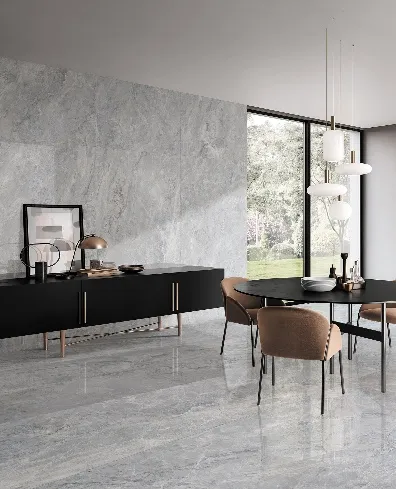
Porcelain is marketed as "low maintenance," and while it's true that it's more durable than materials like marble, it's not entirely maintenance-free. The hidden cost here is the long-term upkeep that suppliers rarely mention upfront.
Full-body porcelain tiles (where the color and pattern run through the entire tile) are less porous and might not need sealing. But glazed porcelain slabs—especially those with a matte or textured finish—can absorb stains from oils, sauces, or even water if not sealed properly. A single spilled glass of red wine on an unsealed tile could leave a permanent mark, requiring professional cleaning or tile replacement. Sealing costs range from $0.50-$2 per square foot, and you'll need to reapply every 3-5 years. If your supplier doesn't mention sealing, you're looking at hidden maintenance costs that add up over time.
Even the best tiles can crack—maybe from a heavy object hitting the wall or a foundation shift. When that happens, finding a matching replacement can be a nightmare. Porcelain tile colors and patterns change with production batches, so if your supplier doesn't recommend ordering extra tiles (10-15% more than needed for waste and future repairs), you might end up with a wall that looks mismatched. Ordering extra upfront costs a bit more, but it's nothing compared to the hidden cost of ripping out and replacing entire sections of wall to match a discontinued tile pattern.

You'd think a quote from a porcelain slab tile for wall supplier would be straightforward: cost per square foot, plus tax, right? Wrong. Many suppliers hide fees in the fine print, turning a "$5,000 project" into a $7,000 bill. Here are the most common hidden fees to watch for:
Porcelain slabs are heavy and fragile, so shipping them requires special handling. Some suppliers offer "free delivery" but only within a 20-mile radius; beyond that, you'll pay $2-$5 per mile. Others charge a "liftgate fee" if you don't have a loading dock, adding $100-$200. And if the delivery truck can't park close to your job site? Expect a "carry-in fee" of $50-$100 per slab. These charges can add hundreds to your total cost if you're not prepared.
Suppliers love MOQs—they ensure bulk sales—but they can be a hidden cost for smaller projects. Let's say you need 300 sq ft of tile for a home office wall, but the supplier has a 500 sq ft MOQ. Suddenly, you're paying for 200 sq ft of tile you don't need, tying up cash and creating storage headaches. Some suppliers will waive MOQs for a "small order fee" (usually 10-15% of the total), which is another hidden cost to negotiate upfront.
Ordered too many tiles? Changed your mind on the color? Many suppliers charge restocking fees of 20-30% for returns, even on unopened boxes. Some won't accept returns at all for custom-cut tiles. A reputable supplier will outline their return policy clearly, but others bury it in the fine print—leaving you stuck with extra tiles or a hefty fee if plans change.

If you're doing a whole-house customization project, your wall tiles don't exist in a vacuum—they need to coordinate with flooring, cabinets, and fixtures. Here's how this can lead to hidden costs:
Imagine you've chosen a sleek, white porcelain slab for your kitchen walls, then realize your flooring supplier recommended a warm wood-look LVP that clashes with the cool tile tone. Suddenly, you're either redoing the flooring (costing thousands) or replacing the tiles (more thousands). Or maybe your bathroom vanity has a marble countertop that doesn't pair well with the tile's texture, requiring a custom vanity upgrade. These are hidden costs of poor coordination—and they often stem from suppliers who focus only on their product, not how it fits into your overall design.
A good porcelain slab tile for wall supplier should ask about your whole-house vision, offering samples that coordinate with other materials. If they don't, you're left to handle the coordination yourself—and the hidden cost of mismatched design elements.
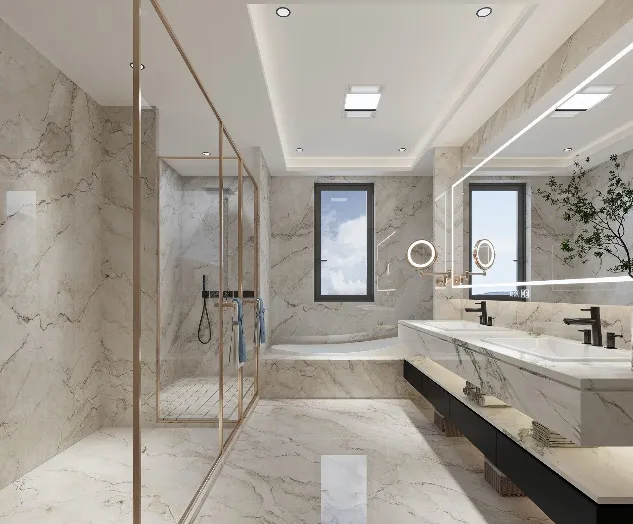
The good news? With a little due diligence, you can steer clear of these hidden costs. Here's how to protect your budget when working with a porcelain slab tile for wall supplier:
Don't just take a supplier's word for it—ask for third-party certifications for density, water absorption, and fire resistance. If they claim the tiles are suitable for commercial use, request documentation showing they meet ASTM or ISO standards. Compare these specs to a class a fireproof cpl inorganic board for hospital and school supplier's materials to ensure you're getting the quality you need.
Insist on a quote that includes everything: material cost per square foot, delivery fees (with mileage details), installation labor, tools, substrate preparation, and a breakdown of taxes. Ask if there are minimum order quantities or restocking fees, and get it all in writing. A reputable supplier won't hesitate to provide this level of detail.
Always order 10-15% more tiles than you need for waste, cuts, and future repairs. Store them in a dry, climate-controlled space—you'll thank yourself if you need a replacement in 5 years.
If you're doing whole-house customization, work with a professional who can coordinate materials across suppliers (flooring, walls, fixtures). They'll catch potential clashes early, saving you from costly redesigns.
Check online reviews for mentions of hidden fees or poor quality. Ask the supplier for references from past clients, and follow up with them: "Did the final cost match the quote? Were there any hidden expenses?" A supplier with nothing to hide will happily share references.
At the end of the day, the cheapest porcelain slab tile for wall supplier isn't always the best deal. The hidden costs of subpar materials, shoddy installation, and poor transparency can end up costing you twice as much as investing in a reputable supplier upfront. Think of it this way: paying a little more for quality materials, clear communication, and a comprehensive quote is an investment in avoiding stress, delays, and budget overruns.
Whether you're tiling a single accent wall or outfitting an entire commercial building, the key is to go into the process with your eyes open. By understanding these hidden costs and asking the right questions, you'll find a supplier who values transparency—and keep your project on track, on budget, and beautiful for years to come.
| Hidden Cost Category | Common Pitfalls | How to Avoid |
|---|---|---|
| Material Quality | Thin tiles, low density, poor fire resistance | Request third-party specs (density, water absorption, fire ratings) |
| Installation | Unskilled labor, lack of specialized tools, substrate prep fees | Get quotes including labor, tools, and wall prep; hire certified installers |
| Maintenance | Unsealed tiles, difficulty finding replacements | Ask about sealing needs; order 10-15% extra tiles for future repairs |
| Supplier Fees | Hidden delivery charges, restocking fees, MOQs | Request a detailed quote with all fees; clarify return policies upfront |
| Design Coordination | Mismatched materials with flooring/fixtures | Work with a designer to coordinate tiles with other elements |
So, the next time you're scrolling through porcelain slab tile options, remember: the true cost of your project isn't just the price per square foot. It's the peace of mind that comes from working with a supplier who's upfront, transparent, and committed to helping you avoid these hidden expenses. Your walls (and your wallet) will thank you.
Recommend Products











