
In the fast-paced world of healthcare, every second counts. From emergency room rush hours to routine patient transfers, the smooth flow of people and equipment can mean the difference between timely care and critical delays. At the heart of this logistical dance? Elevators. Not just any elevators, but specialized heavy-load hospital elevators designed to handle the unique demands of medical facilities. These aren't your average office building lifts—they're lifelines, engineered to carry stretchers, bulky medical devices, and teams of healthcare professionals with safety, efficiency, and reliability. Let's dive into why these elevators matter, the challenges they solve, and how a trusted partner like Coloria is redefining what's possible in hospital mobility.
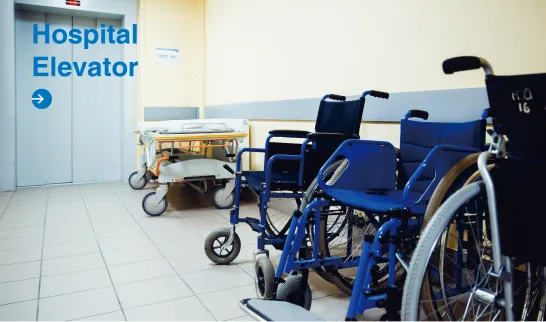
Walk into any hospital, and you'll quickly realize: medical environments are unlike any other. Stretchers with patients, IV poles, ventilators, and portable X-ray machines are constant fixtures in hallways. Add in teams of nurses, doctors, and support staff, and you've got a recipe for heavy, often awkward loads that need to move seamlessly between floors. Traditional commercial elevators, built for average foot traffic and light cargo, simply can't keep up.
Consider this: A standard stretcher with a patient, plus two medical staff, can weigh upwards of 600 kg. Toss in a portable ultrasound machine or a dialysis unit? That number jumps to 1,000 kg or more. Now imagine trying to fit that into a typical elevator with a 1,200 kg capacity—suddenly, you're cutting it dangerously close. Overloading elevators isn't just a safety risk; it's a daily reality in under-equipped hospitals, leading to breakdowns, delays, and even compromised patient care.
Then there's the issue of space. Standard elevators often have narrow doorways and tight interiors, making it tricky to maneuver a stretcher without jostling the patient. In emergency situations, when every bump could cause pain or worsen injuries, this isn't just inconvenient—it's unacceptable. Heavy-load hospital elevators address these pain points head-on, but not all are created equal. The best ones don't just carry weight; they're designed with the entire healthcare ecosystem in mind.
Designing a heavy-load hospital elevator is about more than slapping a bigger motor inside a metal box. It's a balancing act of multiple factors, each critical to the unique needs of medical facilities:
These challenges aren't just technical—they're deeply human. A well-designed elevator reduces stress for nurses rushing to a code, ensures patients feel safe and comfortable during transport, and gives hospital administrators peace of mind knowing their mobility systems can handle the demands of daily operations, even during crises.
When it comes to heavy-load hospital elevators, you need a partner who understands both the technical specs and the human impact. That's where Coloria steps in. As a one-stop architectural solution provider with decades of experience in the Middle East, Coloria isn't just selling elevators—they're delivering end-to-end mobility solutions tailored to the unique needs of healthcare facilities. With a strong presence as a Saudi Arabia building materials supplier, Coloria brings local expertise and global resources to every project, ensuring that hospital elevators aren't just functional, but transformative.
What sets Coloria apart? It starts with their holistic approach. Unlike suppliers who specialize in a single product, Coloria's strength lies in integration. As a full-service provider, they don't just deliver elevators—they work with hospitals to design mobility systems that align with everything from building layout to infection control protocols. Need elevators that sync with your hospital's smart monitoring system? They've got it. Looking for eco-friendly models that reduce energy consumption (a nod to Saudi's 2030 Vision for sustainability)? Consider it done. This one-stop approach means fewer vendors, smoother communication, and a solution that fits seamlessly into your project's timeline and budget.
Let's get into the details. Coloria's heavy-load hospital elevators are engineered with a laser focus on the challenges we've covered. Here's what makes them stand out:
Forget the standard 1,200 kg elevators. Coloria's hospital models start at 2,000 kg capacity—enough to comfortably carry a fully loaded stretcher, medical team, and equipment with room to spare. For larger facilities or specialized units (like trauma centers or maternity wards), they offer custom solutions up to 3,000 kg. This isn't just about weight; it's about confidence. Staff can move patients and gear without second-guessing if the elevator can handle it.
Width matters. Coloria's elevators boast extra-wide door openings (1.6 meters as standard) and generous interior dimensions (minimum 2.4m x 1.8m), making stretcher maneuvering a breeze. The cabin height is also optimized—no more ducking for tall medical equipment or staff. Even better, the floors are treated with non-slip, shock-absorbent materials to minimize vibrations, keeping patients comfortable during transit.
Coloria doesn't cut corners on safety. Every elevator comes with dual redundant braking systems, emergency backup power (ensuring operation during blackouts), and advanced sensor technology that detects obstacles in milliseconds. There's also a dedicated emergency communication panel with one-touch access to hospital security and maintenance teams—critical for situations where every second counts.
Hospitals can't afford germ hotspots, and elevators are no exception. Coloria's cabins feature seamless, stainless steel interiors that resist corrosion and are easy to wipe down. Optional UV-C light disinfection systems automatically activate between rides, killing 99.9% of bacteria and viruses. Even the air filtration is upgraded—HEPA filters ensure that the air inside the elevator is as clean as in an operating room.
Noise pollution is a hidden stressor in hospitals. Coloria's elevators use advanced motor technology and sound-dampening materials to operate at just 45 decibels—quieter than a normal conversation. This isn't just about comfort; it's about healing. Patients can rest during transport, and staff can communicate clearly without raising their voices.
In today's digital age, elevators need to be smart. Coloria's models connect to hospital management systems, providing real-time data on usage, maintenance needs, and energy consumption. Predictive maintenance alerts mean issues are fixed before they cause downtime, and priority scheduling ensures that emergency transports always get precedence—no more waiting for an elevator during a code blue.
| Feature | Standard Commercial Elevator | Coloria Heavy-Load Hospital Elevator |
|---|---|---|
| Load Capacity | 1,000–1,200 kg | 2,000–3,000 kg |
| Door Width | 0.9–1.2 meters | 1.6 meters (standard) |
| Interior Dimensions | 1.8m x 1.5m (tight for stretchers) | 2.4m x 1.8m (spacious for stretchers + staff) |
| Noise Level | 60–70 decibels (noisy during operation) | 45 decibels (whisper-quiet) |
| Safety Features | Basic (emergency stop, interlocks) | Advanced (redundant braking, backup power, obstacle detection) |
| Hygiene Design | Standard materials (prone to germ buildup) | Seamless stainless steel, UV-C disinfection, HEPA filters |
Talk is cheap—results matter. Let's look at a recent project that showcases Coloria's expertise as a hospital elevator supplier. When a leading hospital in Riyadh decided to expand its emergency department, they faced a critical challenge: their existing elevators couldn't handle the increased volume of stretchers and equipment. With construction deadlines tight and patient care on the line, they turned to Coloria for a solution.
Coloria's team didn't just deliver elevators—they collaborated with the hospital's architects and administrators from day one. They conducted on-site assessments to understand traffic patterns, peak usage times, and infection control protocols. The result? A custom fleet of three 2,500 kg elevators with priority scheduling, UV-C disinfection, and smart monitoring. The elevators were installed and operational within the project timeline, and the impact was immediate.
"Before Coloria, we were constantly juggling elevators during peak hours," says Dr. Amal Al-Mansoori, the hospital's emergency department director. "Stretchers would get stuck in doorways, and we'd have to wait for elevators to free up. Now? Transfers take half the time, and our staff feels confident knowing the elevators can handle whatever we throw at them. It's made a huge difference in how we care for patients."
This isn't an isolated case. Coloria's work in Saudi Arabia and beyond speaks to their ability to blend local knowledge with global innovation. As a trusted partner in the region, they understand the unique challenges of Middle Eastern healthcare facilities—from extreme temperatures (which can affect elevator performance) to cultural considerations (like ensuring privacy for patients). It's this attention to detail that makes them more than a supplier; they're a collaborator in improving healthcare outcomes.
In today's world, sustainability isn't optional—it's essential. Saudi Arabia's 2030 Vision emphasizes green growth and reduced carbon footprints, and hospitals are no exception. Coloria's heavy-load hospital elevators are designed with this future in mind, incorporating energy-efficient motors, regenerative braking systems (which feed energy back into the grid), and LED lighting to minimize power consumption. These features don't just reduce environmental impact; they lower long-term operating costs for hospitals, freeing up budget for patient care.
But sustainability goes beyond energy use. Coloria is committed to using eco-friendly materials in their elevators, from recycled steel in cabin frames to low-VOC paints that improve indoor air quality. They also prioritize local manufacturing and sourcing, supporting Saudi's goal of increasing and reducing reliance on imports. For hospitals looking to align with green building certifications (like LEED or Estidama), Coloria's elevators are a valuable asset.
At the end of the day, choosing an elevator supplier is about trust. Here's why hospitals across the Middle East and beyond trust Coloria:
Heavy-load hospital elevators are more than just a convenience—they're a critical component of modern healthcare infrastructure. They ensure that patients get where they need to go safely, staff can work efficiently, and hospitals can operate at their best. Choosing the right supplier isn't just about specs; it's about finding a partner who understands the human side of healthcare.
Coloria, as a one-stop architectural solution provider and trusted Saudi Arabia building materials supplier, brings decades of experience, global resources, and a passion for innovation to every project. Their heavy-load hospital elevators aren't just engineered to carry weight—they're designed to carry hope, healing, and the promise of better healthcare for all. So if you're building or upgrading a hospital, don't settle for ordinary elevators. Choose a solution that elevates care, every single day.
Recommend Products












