

Step into any healthcare facility, and the first thing that strikes you—after the calm hum of activity—is the environment itself. The walls, floors, and surfaces aren't just there to look good; they're silent guardians of patient safety, staff well-being, and operational efficiency. In a setting where every detail matters—from infection control to fire safety, from durability to comfort—the choice of building materials becomes more than a design decision. It's a commitment to care. Today, we're diving deep into one material that's revolutionizing healthcare interiors: PU stone wall panels. More than just a pretty face, these panels are redefining what it means to build spaces that heal, protect, and endure.
Healthcare facilities are unlike any other building type. They're high-traffic zones where patients with compromised immune systems interact with busy staff, where spills and stains are daily occurrences, and where a single overlooked detail can have life-altering consequences. Let's break down the non-negotiable demands:
Infection Control: Hospital-acquired infections (HAIs) affect millions of patients yearly, and surfaces play a starring role in their spread. Porous materials, hard-to-reach crevices, and surfaces that degrade under harsh disinfectants are enemy number one. Walls must be non-porous, seamless, and resistant to bacteria, viruses, and fungi.
Fire Safety: In a facility where lives hang in the balance, fire safety isn't optional. Materials must meet strict fire ratings—often Class A—to slow the spread of flames and reduce toxic smoke, giving patients and staff precious time to evacuate.
Durability: Healthcare spaces see constant use. Stretchers bump walls, carts scrape corners, and equipment is moved daily. Walls need to withstand impacts, scratches, and the wear and tear of 24/7 operation without looking worn or harboring damage.
Aesthetics with Purpose: Stress and anxiety are already high in healthcare settings. Cold, sterile environments only worsen the problem. Walls should feel warm and inviting, with textures and colors that promote calm—without sacrificing functionality.
Regulatory Compliance: From the FDA to local health departments, healthcare facilities face a maze of regulations. Materials must meet standards for toxicity, emissions, and performance to pass inspections and ensure patient safety.
For years, facilities have relied on traditional materials like ceramic tiles, vinyl wallcoverings, or painted drywall to meet these needs. But each comes with trade-offs: tiles crack and grout lines harbor bacteria; vinyl peels and traps moisture; drywall dents easily and requires frequent repainting. Enter PU stone wall panels—a solution that doesn't just check boxes but reimagines what healthcare walls can be.
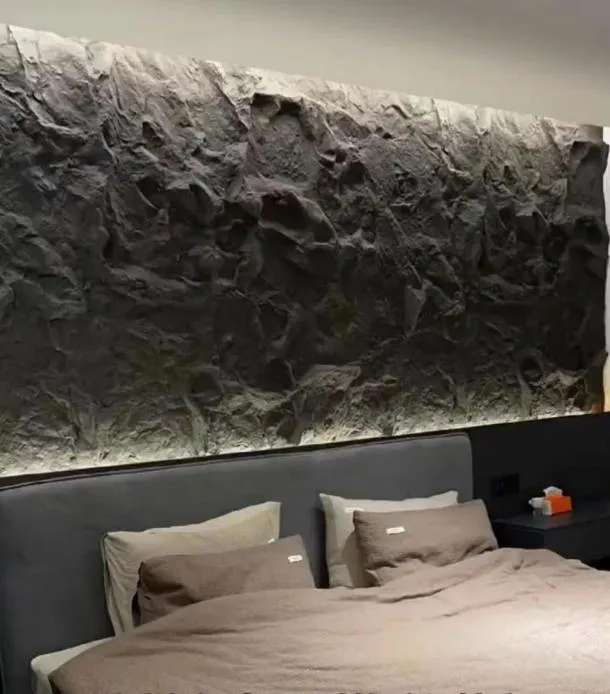
PU stone wall panels—short for polyurethane stone wall panels—are a modern take on natural stone, engineered for performance and practicality. At their core is a high-density polyurethane foam, reinforced with fiberglass and coated with a realistic stone-like finish. The result? A panel that looks and feels like natural stone but weighs a fraction of the real thing, bends without breaking, and resists the challenges of healthcare environments.
But not all PU stone panels are created equal. Reputable PU stone wall panel suppliers don't just sell a product—they offer PU stone wall panel solutions tailored to healthcare's unique needs. This means panels tested for antimicrobial properties, fire resistance, and compatibility with hospital-grade disinfectants. It also means customization: from subtle earth tones to mimic sandstone or limestone, to smoother finishes for pediatric wards, suppliers work with facilities to align aesthetics with patient comfort.
What sets these panels apart is their construction. The polyurethane core is closed-cell, making it impermeable to water and moisture—critical in areas like patient bathrooms, operating rooms, or near sinks. The surface is a tough, resin-based layer that resists scratches, stains, and chemicals, including the bleach and alcohol-based cleaners hospitals use daily. And because they're lightweight (typically 3-5 pounds per square foot), they're easier to install and put less stress on building structures than natural stone or concrete.
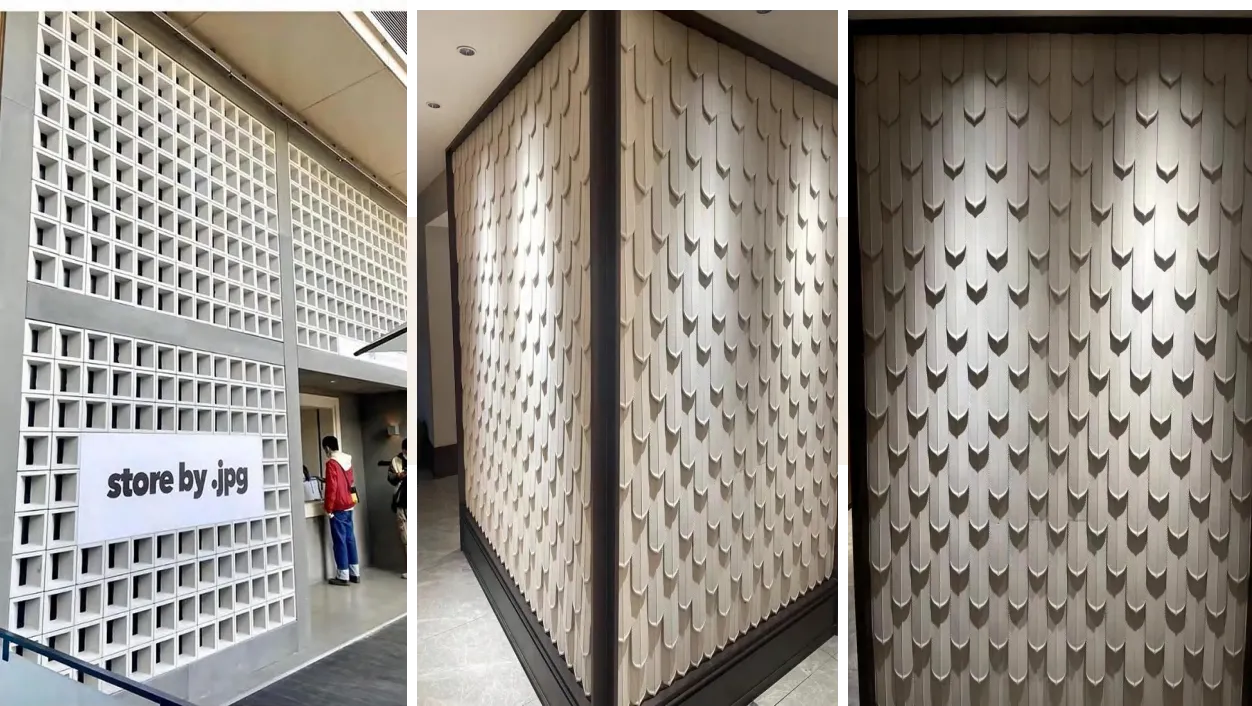
Let's dive into why healthcare facilities are making the switch to PU stone wall panels. These benefits aren't just incremental improvements—they're game-changers for safety, efficiency, and patient care.
1. Hygiene First: A Surface That Fights Bacteria
The non-porous surface of PU stone panels leaves nowhere for bacteria to hide. Unlike grout lines in tile or the seams of vinyl wallcoverings, these panels can be installed with minimal gaps, creating a seamless barrier. Studies show that smooth, non-porous surfaces reduce bacterial colonization by up to 90% compared to porous materials—a statistic that directly impacts HAI rates. And when it's time to clean? A quick wipe with hospital-grade disinfectants (think hydrogen peroxide or quaternary ammonium compounds) is all it takes, with no risk of discoloration or degradation over time.
2. Fire Safety: Class A Protection You Can Trust
Healthcare facilities demand materials that slow the spread of fire, and PU stone panels deliver. Top suppliers engineer panels to meet Class A fire ratings, meaning they're non-combustible and emit minimal smoke when exposed to flames. This aligns with strict codes like NFPA 101, which requires Class A materials in corridors and patient rooms. For specialized areas like operating rooms or intensive care units, facilities often pair PU panels with complementary solutions like
Class A fireproof CPL inorganic board for hospital and school suppliers
, creating a layered approach to fire safety.
3. Lightweight and Durable: Built for the Long Haul
Natural stone is beautiful but heavy—often requiring structural reinforcement that adds time and cost to construction. PU stone panels, by contrast, are lightweight enough to install on standard drywall without extra support. Yet they're surprisingly tough: their flexible core resists impacts from stretchers or carts, and the surface stands up to scratches and scuffs. Facilities report panels looking new even after 10+ years of heavy use, reducing the need for frequent repairs or replacements.
4. Design Flexibility: Calming Spaces That Heal
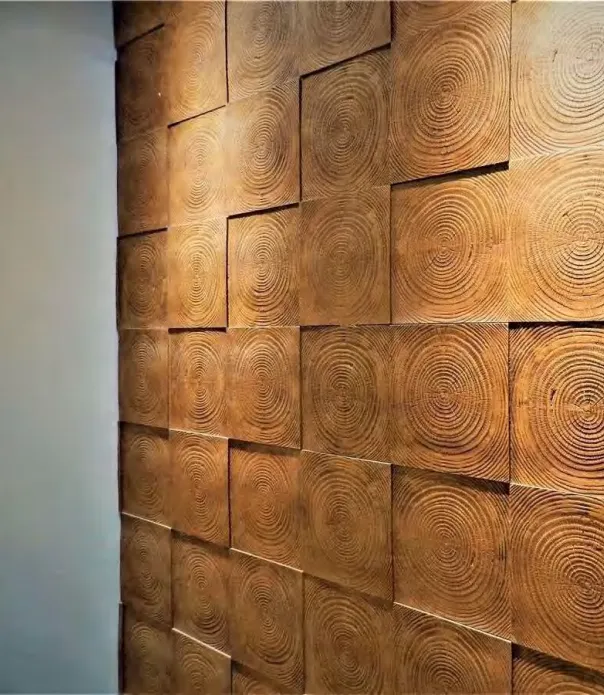
"Sterile" doesn't have to mean "cold." PU stone panels come in a range of textures and colors, from warm travertine to cool marble, allowing designers to create spaces that feel less like hospitals and more like sanctuaries. For pediatric wards, panels can mimic soft sandstone in muted blues or greens to ease anxiety; for senior care facilities, warm earth tones evoke comfort. And because they're flexible, panels can be curved around corners or cut into custom shapes, adding visual interest without compromising functionality.
5. Moisture and Mold Resistance: A Barrier Against the Elements
Bathrooms, recovery rooms, and lab areas are prone to moisture—and where there's moisture, there's mold. PU stone panels' closed-cell structure repels water, preventing mold growth and water damage. Unlike drywall, which swells and warps when wet, these panels dry quickly and retain their shape, making them ideal for high-humidity zones.
6. Eco-Friendly and Low-VOC: Better for Patients and the Planet
Healthcare facilities are increasingly prioritizing sustainability, and PU stone panels deliver here too. Many suppliers use recycled materials in their foam cores, and the panels themselves are 100% recyclable at the end of their lifespan. They also emit low or no volatile organic compounds (VOCs), improving indoor air quality—a critical factor for patients with respiratory issues. For facilities aiming for even greener interiors, pairing PU panels with options like
bamboo charcoal board wall panel suppliers
adds another layer of eco-friendliness, as bamboo charcoal naturally absorbs odors and toxins.
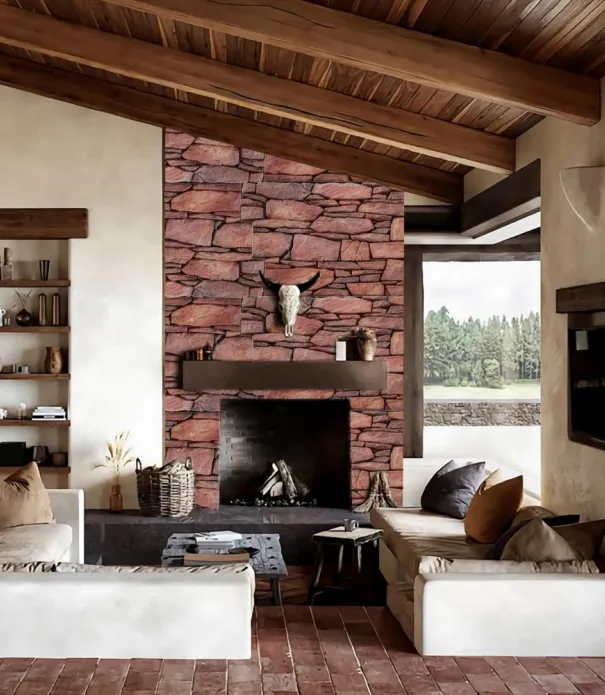
To truly understand the value of PU stone wall panels, let's compare them side-by-side with the materials healthcare facilities have relied on for decades. The table below breaks down key factors like hygiene, durability, and cost—so you can see why more facilities are making the switch.
| Material | Hygiene (Resistance to Bacteria/Grime) | Fire Safety Rating | Durability (Impact/Scratch Resistance) | Installation Ease | Long-Term Cost (10-Year Lifespan) | Aesthetics |
|---|---|---|---|---|---|---|
| PU Stone Wall Panels | Excellent: Non-porous, seamless, easy to disinfect | Class A (top rating) | High: Resists impacts, scratches, and dents | Easy: Lightweight, can be installed over existing walls; minimal tools needed | Low: Minimal maintenance; no repainting or repairs | High: Realistic stone look; customizable colors/textures |
| Ceramic Tiles | Poor: Grout lines harbor bacteria; hard to deep-clean | Class A | Medium: Tiles crack; edges chip easily | Difficult: Heavy; requires mortar, grout, and curing time | High: Grout repair, tile replacement, and regrouting every 2-3 years | Medium: Limited textures; cold, clinical appearance |
| Vinyl Wallcovering | Fair: Non-porous but seams trap moisture; peels over time | Class B (varies by product) | Low: Tears easily; scratches show prominently | Moderate: Requires smooth substrate; adhesive can fail in moisture | High: Replacement every 3-5 years; adhesive residue cleanup | Medium: Wide color options but artificial feel |
| Painted Drywall | Poor: Porous; absorbs stains; hard to disinfect thoroughly | Class C (unless treated with fire-retardant paint) | Low: Dents, holes, and scratches with minimal impact | Easy: Simple installation but requires multiple coats | Very High: Repainting every 1-2 years; patching dents/scratches | Low: Flat, uniform appearance; limited texture |
| Natural Stone | Fair: Porous (needs sealing); cracks trap bacteria | Class A | High: Resists scratches but cracks under heavy impact | Difficult: Extremely heavy; requires structural reinforcement | High: Sealing every 1-2 years; expensive repairs for cracks | High: Authentic look but limited color options |
The data speaks for itself: PU stone wall panels outperform traditional materials in nearly every category that matters to healthcare facilities. They're not just a better choice—they're a smarter investment in patient safety, staff efficiency, and long-term cost savings.
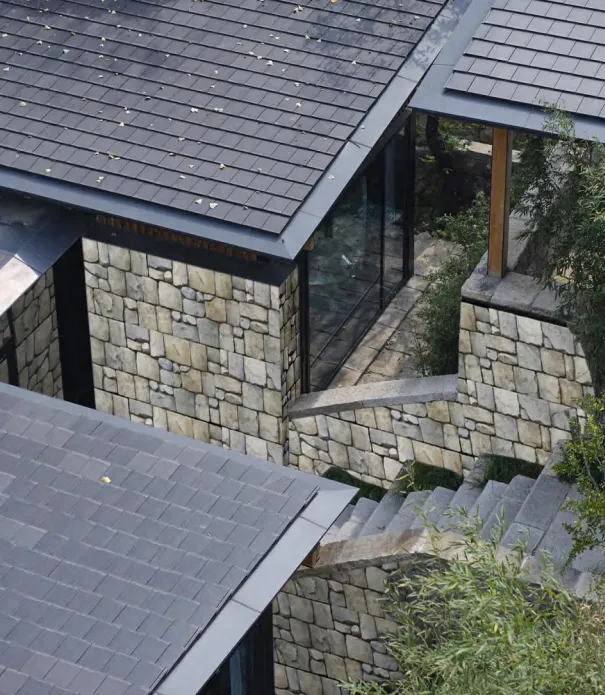
Installing PU stone wall panels in healthcare facilities requires precision—after all, even small mistakes can create gaps where bacteria hide or compromise fire safety. Here's how experienced installers ensure success:
1. Plan for Minimal Disruption
Most healthcare facilities can't shut down during renovations. Installers work in phases, often during off-hours, to minimize noise and dust. They use dust barriers and HEPA vacuums to keep air quality high, ensuring patient care isn't interrupted.
2. Prep the Substrate Thoroughly
Walls must be clean, dry, and smooth before installation. Any cracks or unevenness are filled and sanded, and surfaces are primed with a moisture-resistant sealant to prevent mold. For existing walls, installers often add a layer of moisture barrier before attaching panels, adding an extra line of defense.
3. Use Medical-Grade Adhesives
Not all adhesives are created equal. Installers choose hospital-approved, low-VOC adhesives that bond quickly and resist moisture, ensuring panels stay secure even in high-humidity areas. For extra strength, mechanical fasteners may be used in high-impact zones like corridors.
4. Seal Seams Tightly
Gaps between panels are sealed with a flexible, antimicrobial caulk that matches the panel color, creating a seamless surface. This step is critical for infection control—even a tiny gap can harbor bacteria.
5. Inspect and Test
After installation, panels are inspected for proper adhesion, seamless seams, and fire safety compliance. They're also tested with hospital-grade disinfectants to ensure the finish holds up to daily cleaning routines.
Working with a PU stone wall panel supplier that offers installation support can make all the difference. Many suppliers provide training for installers or partner with certified teams who understand healthcare's unique challenges, ensuring the job is done right the first time.

One of the biggest draws of PU stone panels is their low maintenance. Unlike painted walls or vinyl, they don't require constant upkeep—but a little care goes a long way:
Daily Cleaning: Wipe surfaces with a damp cloth and mild detergent, or use hospital-grade disinfectants like bleach or hydrogen peroxide. Avoid abrasive cleaners or scouring pads, which can scratch the finish.
Monthly Checks: Inspect seams and edges for signs of wear or lifting. If caulk cracks, reapply a fresh bead to maintain the seamless barrier.
Spot Repairs: Minor scratches can often be buffed out with a soft cloth. For deeper damage, suppliers offer repair kits with matching colorants to blend the area seamlessly.
With this minimal routine, PU stone panels can last 15-20 years—far longer than traditional materials. Facilities report saving thousands annually on repainting, retiling, and repairs, making the initial investment well worth it.
Children's Mercy Hospital in Riyadh, Saudi Arabia, was facing a problem: its outdated patient wards felt cold and intimidating, contributing to high anxiety levels among young patients. The walls, covered in chipped paint and vinyl wallcovering, were also hard to clean, leading to frequent outbreaks of minor infections. The facility needed a solution that would improve hygiene, boost morale, and stand up to the chaos of pediatric care.
After researching options, the hospital partnered with a local PU stone wall panel supplier to renovate three floors of patient rooms, corridors, and play areas. They chose panels in soft, warm tones—mimicking sandstone and limestone—to create a calming, nature-inspired environment. The panels were also treated with an antimicrobial coating to reduce bacteria growth.
The results were striking: within six months, HAI rates in the renovated areas dropped by 35%. Staff reported spending 20% less time cleaning walls, freeing them up to focus on patient care. Most notably, patient feedback surveys showed a 40% increase in reported comfort levels, with many children commenting that the "rock walls" made the hospital feel "like a cave adventure" instead of a scary place.
The healthcare industry is always evolving, and so are the materials that support it. PU stone wall panel suppliers are already exploring exciting innovations:
Antimicrobial Coatings 2.0: New coatings infused with silver ions or copper nanoparticles that actively kill bacteria on contact, reducing infection risk even further.
Smart Panels: Panels embedded with sensors that monitor temperature, humidity, or air quality, alerting staff to potential issues before they become problems.
Energy-Efficient Designs: Panels with built-in insulation to reduce heating and cooling costs, making facilities more sustainable.
As these technologies emerge, PU stone panels will only become more integral to healthcare design—proving that the future of healthcare walls is both functional and full of heart.
Healthcare facilities are more than buildings—they're places of healing, where every detail impacts patient recovery and staff well-being. PU stone wall panels represent a shift from "good enough" to "excellent," offering a rare combination of hygiene, durability, and warmth that traditional materials can't match.
By choosing a trusted PU stone wall panel supplier and investing in PU stone wall panel solutions tailored to healthcare, facilities aren't just upgrading their walls—they're investing in better outcomes for patients, less stress for staff, and a future where healthcare spaces truly support healing. In the end, that's the greatest measure of success: walls that don't just stand there, but stand with you in the mission to care.
Recommend Products











