
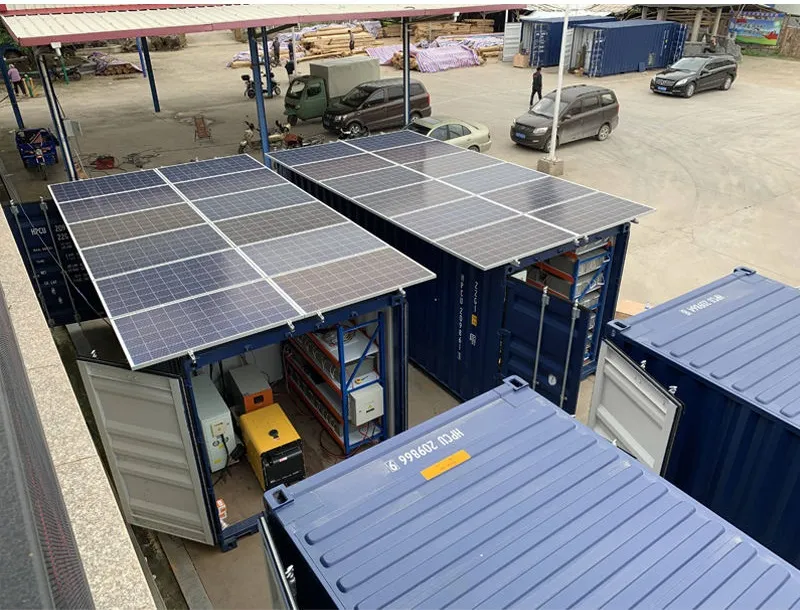
Picture this: you're slicing a sandwich diagonally. Suddenly it becomes easier to handle, fits in your lunchbox better, and you avoid those annoying crumbs everywhere. That simple act of cutting something in half? It's transformed the solar industry too. Half-cell technology is basically that sandwich cut – but for solar panels – taking what was good and making it even better by literally dividing solar cells in two. And here's the kicker: it's not some experimental lab concept anymore – it's become the golden standard for anyone serious about solar efficiency.
Let's get down to brass tacks. When engineers first started playing with this idea, they weren't just hacking up perfectly good solar cells for fun. There was solid science behind this move. Traditional full-sized cells in solar panels face a real problem: electrical resistance. Think of it like traffic congestion in a city where everyone's trying to exit a single highway ramp at rush hour. When sunlight hits a solar cell, it generates electrical current that needs to travel through tiny silver lines (busbars) to the panel's wiring.
"Smaller cells mean shorter distances for the electrical current to travel," explains Dr. Eleanor Vance, a materials scientist at the National Renewable Energy Lab. "That's like turning a crowded two-lane backroad into a six-lane expressway. Less congestion means less energy gets wasted as heat."
By slicing standard 6-inch solar cells in half (creating cells about 3 inches wide), engineers achieved three game-changing benefits:
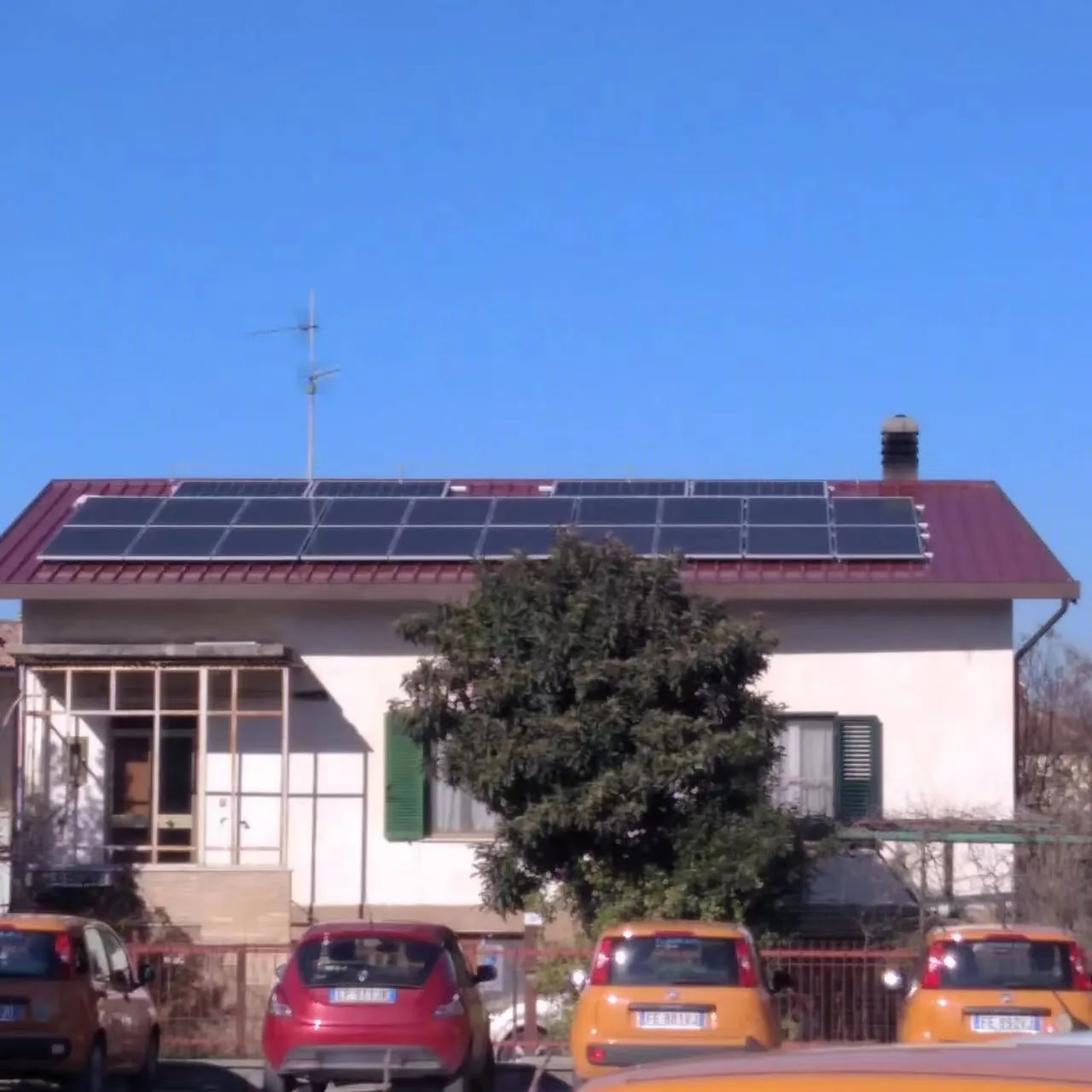
Early solar technicians will tell you that the first half-cell prototypes were... well, kind of messy. Taking finished cells and cutting them? Not exactly an elegant solution. But today's process is where true innovation shines. Modern manufacturing integrates the "halving" step right into the production line using precision laser scribing. It's less like tearing paper and more like a sushi chef's perfect sashimi slice – clean, precise, and automated. Every panel now comes off the line with perfectly matched half-cells born for efficiency.
Think of early solar panels as 60-watt lightbulbs. They worked, but they wasted energy as heat. Today's half-cell panels? They're LED replacements – delivering more light with less energy loss. It's that level of evolutionary jump.
What makes current manufacturing so groundbreaking is how seamlessly this technology integrates into existing production lines. Manufacturers can largely use the same equipment, silicon wafers, and processes – just adding that laser-cutting step and modified tabbing. This kept adoption costs reasonable, accelerating the industry-wide switch. And since we're talking about pv modules (a core term from our keywords list), this manufacturing evolution applies directly to the heart of solar technology.
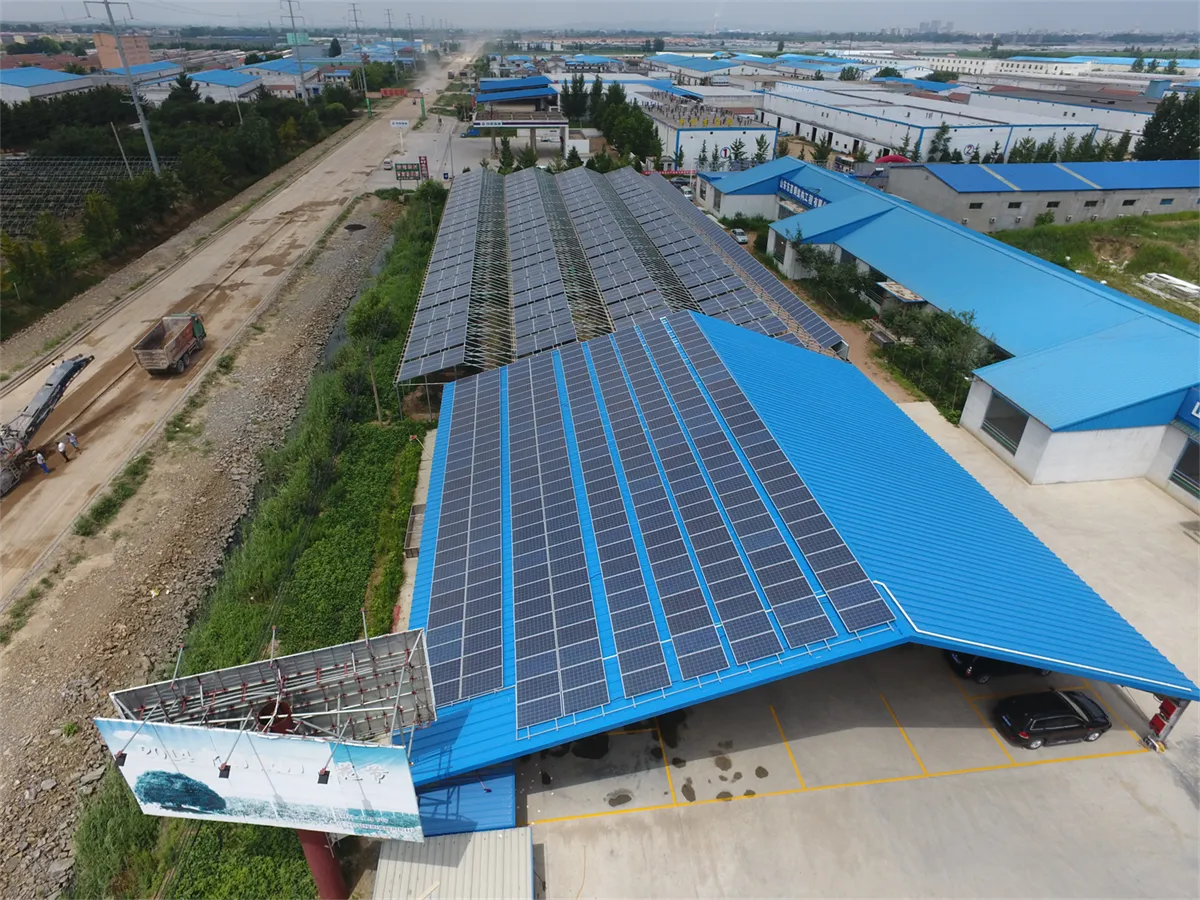
Look at any major solar project built in the last three years – from desert mega-plants to suburban rooftops – and you'll spot the telltale signs: panels with 120 or 144 cells instead of the traditional 60 or 72. Why? Because the numbers don't lie.
Solar installer Maria Gutierrez from Phoenix recounts: "Last year we did side-by-side comparisons for a client – same brand, same specs, one traditional panel and one half-cell. Over six months, the half-cell system produced 6.3% more energy. That convinced them. When Arizona sun peaks at 115°F, everything runs hot. The half-cells just handled it better."
And it's not just power output. Installation crews report fewer callbacks for hotspot damage. Homeowners notice better early-morning and late-afternoon production from partial-sun tolerance. Even snow sheds off more evenly due to the panel's internal wiring divisions.
Don't think this is the endpoint – it's a stepping stone. Researchers are already exploring:
The solar industry often feels like it's chasing the next big thing – complex trackers, space-based panels, nanotechnology. But here's the irony: the most revolutionary advancement of the past decade wasn't flashy. It was simple. Take something working... and cut it in half. Half-cell technology proves that sometimes the most elegant solutions aren't about reinventing the wheel, but rather about slicing it smarter to roll farther and faster into our renewable energy future.
Recommend Products












