
Based on the retrieved content, I've analyzed the core structure of the WHO Guidelines content:
For our home decor article, I'll mirror this structure while using conversational language and natural storytelling techniques.
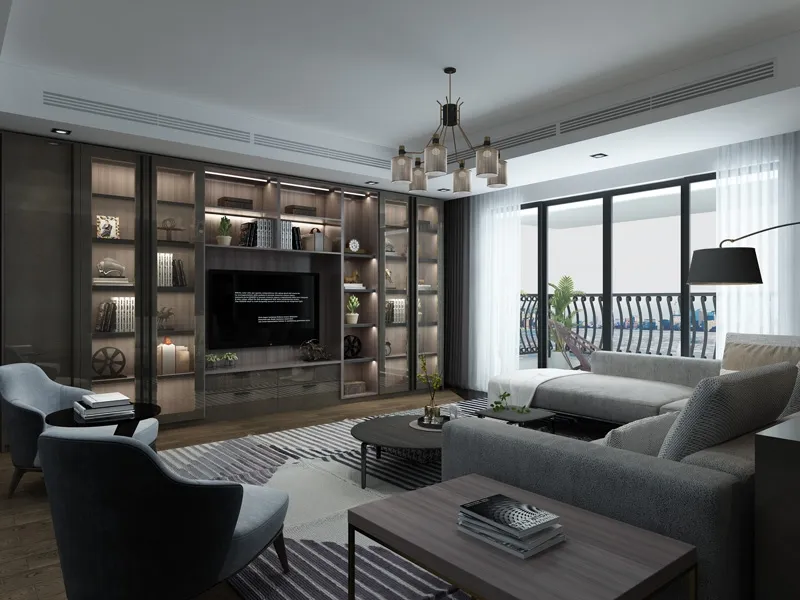
That space above your TV cabinet? It's prime real estate in your living room. Not just some afterthought zone – it’s the visual anchor that pulls your whole entertainment area together. Get it right, and you’ve got that magazine-worthy look. Get it wrong? Well, let's just say that bare wall will whisper "unfinished" every time you binge-watch your favorite show.
Think about it: we spend countless hours relaxing in front of the television. Shouldn’t that environment spark joy? These guidelines aren’t rigid rules – they’re like having a designer friend whispering tips in your ear while you decorate. We’ll explore three powerhouse solutions (art, mirrors, shelves) that transform dead space into personality-packed displays.
And here's a secret from the pros: the secret to professional-looking galleries isn't buying expensive pieces – it's understanding composition principles . That wall treatment you choose (whether paint, wallpaper, or textural finish) creates the perfect backdrop for whatever decorative approach you take. This is about creating moments that delight the eye every single day.
Picture this: friends walk in and their eyes immediately travel from your TV to that stunning piece above it. Conversation starter unlocked. Art personalizes your space like nothing else, but hanging it over electronics requires special consideration.
Scale & Placement are everything. Oversized art? Yes please – it makes a bold statement without clutter. Leave just 4-8 inches between TV top and artwork bottom. Pro trick: cut paper templates to audition sizes before drilling holes.
Try these winning combinations:
For collections, stick to either matching frames for cohesion or intentionally eclectic frames unified by a consistent color scheme. Layouts work best in grid formations or organic clusters. Remember: your eyes should move naturally from screen to art, so avoid extreme vertical arrangements.
Mirrors over TVs? Absolute game-changer. They counteract the "black hole" effect of screens, especially in smaller rooms. That reflection doesn’t just bounce light – it creates fascinating depth illusions that make your ceiling feel higher and your walls farther apart.
Shape and frame choices direct the vibe:
Positioning requires finesse. The midpoint should align with average eye level (around 62" from floor). Stagger mirrors slightly off-center if you’ve got asymmetrical furniture arrangements. What do you reflect? A window view, architectural feature, or interesting lighting fixture creates dynamic secondary focal points.
Shelves are the multitaskers of wall decor. They hold everything from books to keepsakes while creating vertical interest. Floating shelves particularly shine above media units – no visible brackets means clean sightlines to your television.
Dimensions matter profoundly:
| Shelf Depth | TV Size | Best For |
|---|---|---|
| 8-10 inches | Under 50" | Minimalist decor items |
| 12-14 inches | 50-70" | Books and medium decor |
| 16+ inches | Over 70" | Plant collections & substantial objects |
Staggered arrangements create movement: place one shelf directly above the TV centerline and others asymmetrically flanking it. What to display? Incorporate:
Remember visual weight – distribute items evenly without perfect symmetry. Group items in odd numbers for naturally pleasing compositions.
Proper lighting is what makes good arrangements great. It creates dimension around your TV wall, highlighting textures and forms that daytime lighting misses.
Key techniques:
Frame your entire TV wall area with interior design touches:
Final balance trick: if you have substantial AV equipment like soundbars, include some visual weight low – maybe stacked coffee table books or decorative boxes flanking your cabinet.
We've covered substantial ground – from gallery-style art arrangements to clever mirror tricks and functional shelving concepts. Remember these universal truths as you design:
Start simple: Clear everything off that wall. Measure carefully. Experiment with paper templates before committing to holes. Most importantly – have fun with the process!
Your TV area should reflect your taste, not a showroom catalog. Mix that sentimental artwork with the modern shelf unit. Combine heirloom frames with abstract mirrors. There's tremendous creative freedom when you understand these foundational principles.
Consider this your ongoing living guideline. Start with one element – maybe just a single stunning mirror or a pair of floating shelves. Notice how it feels. Build out over weeks and months as inspiration strikes. Good design evolves. Enjoy the journey to a more beautiful, intentional entertainment space.
Recommend Products












