


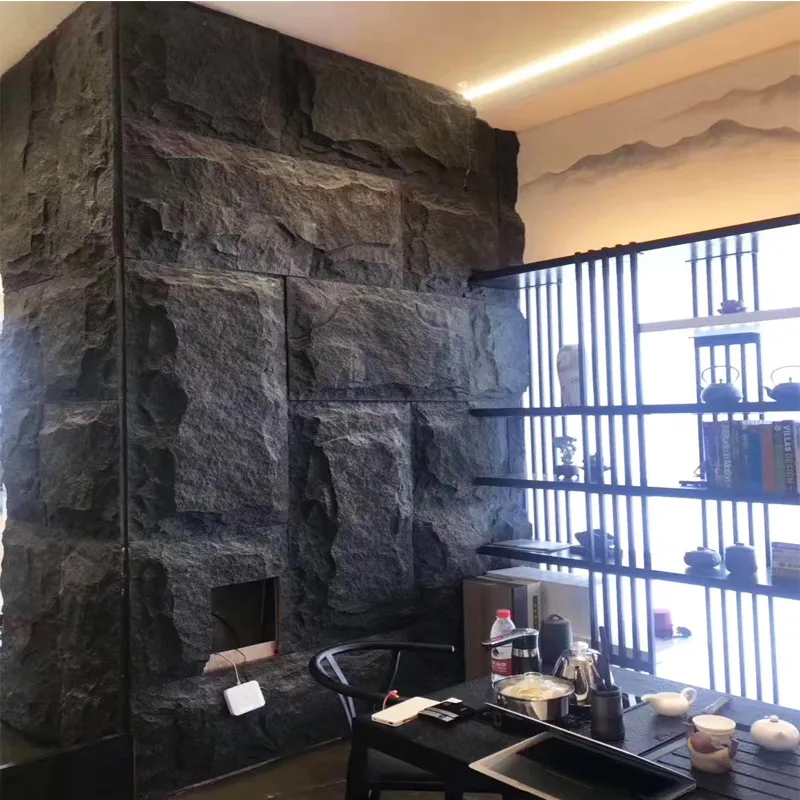
If you've ever walked past a charming cottage, a rustic restaurant, or even a modern home with a uniquely textured exterior, chances are you've seen mushroom stone without realizing it. Picture this: stones that look like they've been gently nibbled by giant mushrooms—rough, uneven edges on top, smooth or slightly chiseled bottoms, and a surface that feels like it's been shaped by decades of rain and wind. That's mushroom stone in a nutshell (or should we say, mushroom cap?).
But why is it called "mushroom" stone? Well, the name comes from its distinct shape: the edges around the top and bottom often flare out a bit, resembling the cap and stem of a mushroom. It's not just a pretty face, though. This stone has been a favorite in architecture for centuries because it blends durability with that "lived-in" charm that makes spaces feel warm and inviting. Whether you're sprucing up a garden wall, adding character to a fireplace, or giving your home's exterior a timeless look, mushroom stone has a way of turning ordinary surfaces into conversation starters.










