Cables are the silent backbone of our daily lives. They're the invisible threads that power our homes, keep us connected to the internet, and enable everything from charging a smartphone to running a hospital's life-saving equipment. Think about it: when you flip a light switch, stream a movie, or video-call a loved one, there's a cable working behind the scenes to make it happen. In a world that runs on electricity and data, understanding the different types of cables isn't just for engineers—it's for anyone who wants to make informed choices about their home, business, or project. Whether you're renovating a house, setting up an office, or managing a large industrial site, knowing which cable to use can mean the difference between a reliable, efficient system and one that's prone to issues. That's where a trusted cables supplier comes in; they don't just provide products, but cables solutions tailored to specific needs, ensuring that every connection is as strong and dependable as the structures they support.
Power cables are the workhorses of the electrical world, designed to transmit electricity from a source (like a power plant or outlet) to devices and machinery. They're the reason your refrigerator stays cold, your air conditioner blows cool air, and your factory's conveyor belts keep moving. But not all power cables are created equal—their design depends on how much electricity they need to carry, the environment they'll be in, and how they'll be installed.
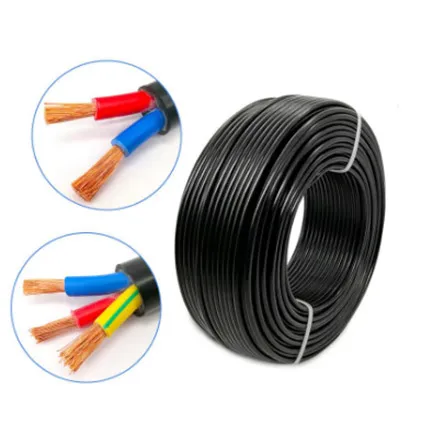
PVC Insulated Cables : These are the most common type you'll find in homes and small businesses. PVC (polyvinyl chloride) is a durable, cost-effective insulation material that protects the copper or aluminum conductors inside. They're flexible, easy to install, and work well for indoor use, like wiring outlets and light fixtures. Imagine them as the "everyday sneakers" of cables—reliable for regular use but not built for extreme conditions.
XLPE Insulated Cables : When things get more demanding, XLPE (cross-linked polyethylene) cables step up. Their insulation is heat-resistant and can handle higher voltages, making them ideal for outdoor use, underground installations, or industrial settings. Think of XLPE cables as the "hiking boots" of the cable world—tough enough to withstand rough terrain (or in this case, moisture, chemicals, and high temperatures).
Armored Power Cables : For extra protection, armored cables add a layer of metal (like steel or aluminum) or plastic around the insulation. This armor shields the cable from physical damage, such as being crushed by heavy equipment or chewed by rodents. They're commonly used in construction sites, underground tunnels, or areas where the cable might be exposed to rough handling. If PVC cables are sneakers and XLPE are hiking boots, armored cables are like full-body armor—built to take a beating and keep going.
When selecting power cables, start by checking the current rating —how much electricity the cable can safely carry. A cable that's too small for the load will overheat, which is a fire hazard. Next, consider the installation environment : indoor cables don't need to resist moisture, but outdoor or underground cables do. Finally, think about flexibility —if you're wiring a tight space, a stiff cable will be hard to maneuver. A good cables supplier will ask about these factors to recommend the right fit, ensuring your electrical system is safe and efficient.
While power cables handle electricity, communication cables carry data—voices, videos, internet signals, and more. They're the reason you can send an email across the globe in seconds or watch a live stream from another continent. In today's hyper-connected world, these cables are just as critical as power cables, if not more so. Let's break down the main types and how they shape our digital lives.
Twisted pair cables are the most widely used communication cables, especially in local area networks (LANs) like home Wi-Fi routers and office internet setups. They consist of pairs of copper wires twisted together, which reduces electromagnetic interference (EMI)—the "noise" that can disrupt data transmission. Think of the twists as a way to cancel out interference, much like how noise-canceling headphones block out background sound.
There are two main types: Unshielded Twisted Pair (UTP) and Shielded Twisted Pair (STP) . UTP is cheaper and more flexible, making it perfect for home use. STP adds a metal shield around the wires, offering better EMI protection, so it's used in environments with lots of electrical noise, like factories or server rooms. If you've ever set up a home router, you've probably handled UTP cables—they're the ones with RJ45 connectors (the square plugs that go into your modem).
Coaxial cables (or "coax" for short) have a central copper conductor surrounded by a plastic insulator, a metal shield, and an outer plastic jacket. This design makes them great at carrying high-frequency signals, which is why they've long been used for cable TV and broadband internet. You might recognize them as the thick, rigid cables that connect your TV to a cable box or antenna.
Coax cables are still relevant today, especially for applications that need high bandwidth over short distances. For example, some security cameras use coax to transmit HD video, and they're often used in older buildings where upgrading to fiber optic cables would be too costly. While they can't match fiber's speed over long distances, they're reliable and affordable—a solid choice for specific needs.
If power cables are workhorses and coaxial cables are steady performers, fiber optic cables are the race cars of the communication world. Instead of using copper to carry electrical signals, they use thin strands of glass or plastic to transmit data as pulses of light. This allows them to carry more data over longer distances at speeds that leave traditional cables in the dust. To put it in perspective: a single fiber optic cable can transmit more data than thousands of copper cables combined, and light travels so fast that a signal can go from New York to London in less than 0.2 seconds.
Fiber cables are now the backbone of global internet networks, connecting continents via undersea cables and powering high-speed broadband in cities. They're also used in data centers, hospitals (for transmitting medical images), and even home internet in areas with fiber-to-the-home (FTTH) services. The downside? They're more expensive to install than copper cables, but the investment pays off in speed and reliability. For projects that demand the best in data transmission, a cables supplier specializing in fiber optics can provide the right cables solutions, ensuring your network is future-proof.
Control cables are the "nervous system" of automated systems. They transmit low-voltage signals that control machines, equipment, and processes—think of them as the remote controls for factories, elevators, and even traffic lights. Unlike power cables, which carry large amounts of electricity, control cables carry small signals that tell devices when to start, stop, speed up, or slow down. Without them, modern automation as we know it wouldn't exist.
Control cables are usually multi-core, meaning they have multiple conductors (wires) inside, each insulated and color-coded for easy identification. This allows them to send multiple signals at once—like a single cable carrying instructions to turn on a motor, adjust a valve, and trigger an alarm. They're also designed to be flexible, since they often need to bend around machinery, and resistant to oil, chemicals, and temperature changes (important in industrial environments).
You'll find control cables in almost every automated setting: Manufacturing plants use them to control assembly lines, robots, and conveyor belts. Buildings rely on them for heating, ventilation, and air conditioning (HVAC) systems, as well as elevator controls. Transportation systems, like trains and traffic lights, use control cables to coordinate movements and ensure safety. Even smart homes use simplified control cables to link thermostats, lights, and security cameras to a central hub.
When choosing control cables, precision is key. The signals they carry are sensitive, so they need good insulation and shielding to avoid interference. A reputable cables supplier will help you select cables with the right number of cores, insulation material, and protection level, ensuring your automated systems run smoothly and respond accurately to every command.
Some environments and applications demand more than standard cables. Whether it's extreme heat, water exposure, or the need for fire resistance, specialized cables are engineered to thrive where regular cables would fail. Let's explore a few of the most common types and why they're essential.
In places like hospitals, schools, and high-rise buildings, fire safety is non-negotiable. Fire-resistant cables are designed to keep working even when exposed to high temperatures, ensuring that emergency systems (like smoke detectors, sprinklers, and exit signs) stay powered during a fire. They use materials that don't catch fire easily and maintain their electrical properties for a specified time (usually 1–3 hours), giving people time to evacuate and firefighters time to respond.
Undersea cables are marvels of engineering, designed to transmit data across oceans while withstanding crushing water pressure, saltwater corrosion, and even shark bites (yes, sharks sometimes mistake them for prey!). These cables are thick and heavily armored, with layers of steel, plastic, and rubber to protect the fiber optic cores inside. They're responsible for over 95% of international internet traffic, making them critical for global communication. Without them, video calls, online transactions, and cloud storage across borders would be nearly impossible.
Industrial furnaces, power plants, and aerospace equipment generate extreme heat, and standard cables would melt or degrade in these conditions. High-temperature cables use insulation materials like silicone rubber or fiberglass, which can withstand temperatures from 150°C to over 1000°C. They're also used in kitchen appliances (like ovens and stoves) and automotive engines, where heat is a constant challenge.
With so many cable types available, choosing the right one can feel overwhelming. But by asking a few key questions, you can narrow down your options and make a confident decision. Here's a step-by-step guide to help you out—whether you're a homeowner, a small business owner, or a project manager.
Start by asking: What will the cable do? Is it for power, data, or control? How much electricity or data does it need to carry? For example, a cable powering a small lamp has different requirements than one powering a industrial motor. A cables supplier will always start with this question, as it sets the foundation for everything else.
Where will the cable be installed? Indoors or outdoors? Underground or in the air? Exposed to moisture, chemicals, or extreme temperatures? For example, outdoor cables need UV protection, while underground cables need to resist soil pressure and moisture. If you're unsure, describe the environment to your supplier—they'll know which materials and protections are necessary.
Most regions have electrical codes that specify which cables can be used in certain applications. For example, residential wiring might require PVC-insulated cables, while hospitals might need fire-resistant ones. Using non-compliant cables can lead to safety hazards and legal issues. A reliable cables supplier will be familiar with local codes and ensure the products they provide meet or exceed them.
It's easy to focus on the present, but technology evolves fast. If you're setting up a home network, for example, choosing fiber optic cables now (even if you don't need the speed yet) can save you from rewiring later when you upgrade to faster internet. Similarly, industrial projects should consider cables that can handle increased power or data demands as the operation grows. Cables solutions that are future-proof might cost a bit more upfront, but they'll save time and money in the long run.
Cables are more than just wires wrapped in plastic—they're the infrastructure that powers our world, connects us to each other, and enables the technology we rely on daily. From the simple PVC cable in your wall to the sophisticated fiber optic cable spanning an ocean, each type has a unique role to play. By understanding the basics of power, communication, control, and specialized cables, you can make smarter choices for your home, business, or project.
Remember, the right cable isn't just about technical specs—it's about finding a solution that fits your needs, environment, and future goals. That's why partnering with a trusted cables supplier is so important. They bring expertise, access to quality products, and a commitment to ensuring every connection is strong, safe, and reliable. So the next time you flip a switch, send an email, or start a machine, take a moment to appreciate the cables that make it all possible—they may be invisible, but their impact is everywhere.
| Cable Type | Primary Use | Key Features | Best For |
|---|---|---|---|
| PVC Insulated Power Cables | Transmitting electricity | Flexible, cost-effective, indoor use | Homes, small offices, basic wiring |
| Twisted Pair Communication Cables | Transmitting data (internet, phone calls) | Multi-core, shielded/unshielded options | LANs, home internet, office networks |
| Fiber Optic Cables | High-speed data transmission | Light-based, high bandwidth, long distances | Broadband, data centers, international communication |
| Control Cables | Transmitting low-voltage signals | Multi-core, flexible, chemical-resistant | Industrial automation, HVAC, smart homes |
| Fire-Resistant Cables | Power/data in critical environments | Heat-resistant, maintains function during fires | Hospitals, schools, high-rise buildings |
Recommend Products