
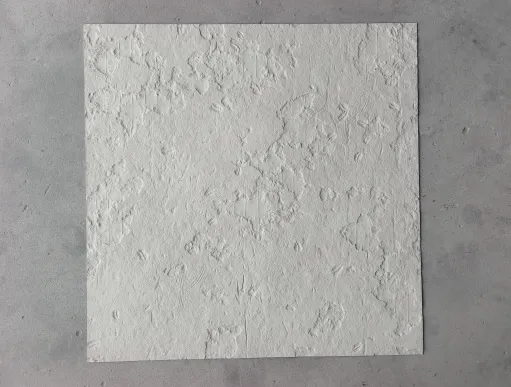
Picture yourself walking through a Balinese villa – your feet touch cool, textured stone that perfectly complements tropical greenery while standing resilient against humidity and heat. This is the magic of Bali stone, one of Indonesia's most treasured natural resources that's taken the design world by storm. Unlike generic building materials, Bali stone carries whispers of volcanic activity, cultural craftsmanship, and centuries-old geological artistry in every unique formation.
What makes this material special isn't just its origin story. Bali stone has this incredible ability to play nicely with both traditional and contemporary designs. It doesn't scream for attention but rather anchors a space with earthy confidence. The porous nature of volcanic formations creates naturally cooling surfaces – perfect for tropical climates where keeping things comfortable matters. You'll notice how the material seems to actually improve with age, developing a gorgeous patina that tells your home's evolving story.
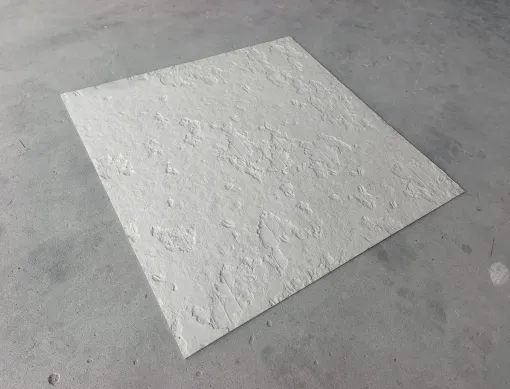
Meet the heavyweight champion of Bali stones. Born from volcanic activity, Andesite is basically nature's armored plating. You'll find local craftsmen in Bali villages carefully selecting and hand-finishing these slabs, knowing they're perfect for:
A family in Ubud used Andesite around their pool deck. Five years later, despite kids cannonballing daily and tropical storms, that stone looks like it was installed yesterday – only with richer character. Maintenance? A simple rinse now and then keeps it looking sharp.
Imagine dipping into a pool where the water stays magically clean and cool even in sweltering heat. That's Sukabumi's party trick. Resorts from Mexico to Maldives covet this stone because:
At a boutique hotel in Seminyak, they paired Sukabumi pool tiles with recycled teak decking. The result? Every Instagram-happy guest becomes a walking billboard for their stunning aqua oasis. For low upkeep, just sweep debris and enjoy occasional natural mineral deposits that add personality.
If Bali stone had a warm hug to offer, it'd be Palimo Sandstone. With its honey-to-cream tones, it turns boring walls into textured masterpieces. I've seen it transform cookie-cutter villas into spaces radiating Javanese heritage without feeling like a theme park replica. Perfect for:
Design tip: Pair it with cascading ferns or creeping fig vines – the stone becomes a living tapestry. Pro move: Apply sealant yearly if you're in super-humid zones to prevent moisture absorption.
When minimalist elegance meets tropical practicality, you get Bali Limestone. Unlike its tougher cousins, Limestone brings subtle beauty to spaces wanting refinement:
A Canggu architect recently used acid-washed limestone in a client's meditation room. The slightly textured surface catches morning light like crushed pearls, proving you don't need bling to create magic.
Born from Bali's volcanic soul, lava stone brings drama with its deep charcoal tones and porous texture. The ancient temples used it for good reason – it withstands centuries. Today it's reclaimed as:
At a beach club in Uluwatu, unsealed lava stone columns contrast white loungers beautifully. Their secret? Embracing the natural mossy patina that creates living art.
Who needs manufactured mosaic tiles when rivers deliver nature's tumbled art? Sorted by hand along Bali's Ayung River, these smooth stones create:
A wellness retreat near Tegalalang uses alternating bands of white and black pebbles to mimic flowing water patterns throughout the property. The crunch underfoot connects guests immediately to nature.
Which Bali stone works best around saltwater pools?
Green Sukabumi steals the show – its mineral composition laughs at salt corrosion while keeping water chemistry balanced. I've seen it outperform manufactured tiles threefold in coastal environments.
Can I use these stones in freezing climates?
Proceed cautiously – Andesite and Lava stone handle freeze-thaw cycles best. Limestone and Sandstone need expert sealing if leaving tropical comfort zones.
How often do these stones need resealing?
Unsealed in Bali's humidity? Maybe every 3-5 years. In rainy Seattle? Possibly biennially. Track how water behaves on the surface – when it stops beading, it's time.
Are Bali stones eco-friendly?
Compared to manufactured alternatives? Absolutely. Most quarries work ethically, and the stones last generations. Just confirm your supplier practices responsible extraction.
Can I install Bali stone myself?
Pebbles or small tiles? Possibly. Large slabs? Hire someone who knows Bali stone's quirks – installation is half the secret to longevity. Their weight and porosity demand specialized techniques.
Choosing Bali stone isn't just selecting a building material – it's welcoming geological artistry into your space. These stones carry the soul of Indonesian landscapes, forged under unique volcanic conditions you won't find elsewhere. Whether it's the water-cleansing magic of Green Sukabumi or the timeless dignity of Andesite, each type offers specialized solutions you just can't fake with man-made alternatives.
Remember how that Ubud family's pool area aged beautifully? That's the real beauty of these materials. Bali stones don't try to stay museum-perfect. They evolve with your life, gaining character with every rainy season and pool party. That patina isn't wear and tear – it's your story written in geological poetry. When chosen thoughtfully for specific applications, these stones become architectural facade materials that literally connect your home to Bali's extraordinary terroir.
So next time you see Bali stone, look past the surface. You're seeing ancient volcanoes, winding rivers, and artisanal craftsmanship – a combination that turns functional spaces into soulful experiences. Whether you're renovating a Sydney courtyard or building a Caribbean retreat, these stones offer authentic Indonesian character that synthetic alternatives can only dream of replicating.
Recommend Products












