
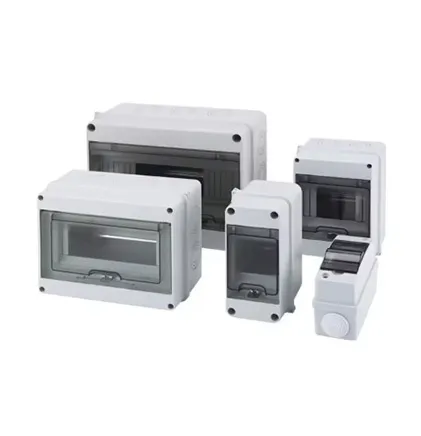
Hey there! If you're working with electrical systems, you know that grounding isn't just some bureaucratic requirement—it's literally the difference between a safe, functional system and a potential disaster. Today, we're diving deep into the world of distribution box grounding, breaking down the standards, and shining a light on those sneaky mistakes that even experienced electricians sometimes make.
Whether you're a seasoned pro or just starting out, this comprehensive guide will give you practical insights into proper grounding techniques, with a special focus on how selecting quality materials from a reliable building material supplier impacts your entire system's safety and longevity.
Grounding isn't just about connecting a wire to a rod in the dirt—it's a sophisticated balancing act for your entire electrical system. Remember those electrons they taught us about in science class? They're constantly moving and need somewhere safe to go when things go haywire.
Interestingly, there's fascinating research (like the studies from those PubMed and WebMD articles) showing how direct contact with Earth's electrons stabilizes our bodies. Well, your electrical system works on a similar principle—it needs that direct earth connection to dissipate unwanted energy before it causes chaos.
Your distribution box is mission control for electricity in any building. When grounding fails here, it's like having a spaceship without a heat shield—everything inside becomes vulnerable to surges, faults, and electrical fires. Proper grounding:
Let's cut through the jargon and get to what actually matters for your daily work. These aren't just suggestions—they're the collective wisdom from decades of electrical incidents.
Here's where your choice of building material supplier makes a tangible difference. That bargain-bin copper-clad rod? It'll corrode twice as fast as proper copper-bonded steel. I've seen installations fail in under two years due to substandard materials. Always verify:
Forget those YouTube shortcuts—here's how the pros do it for reliable, long-lasting grounding.
Before driving a single rod:
Stop hammering willy-nilly! Precision matters:
The critical handshake point:
I've fixed more botched grounding jobs than I can count. Here are the usual suspects:
Mistake: Just driving one rod anywhere convenient
Solution: Test resistance! If >25 ohms, install multiple rods connected with continuous conductor.
Mistake: Dumping salt or chemical treatments around rods
Solution: Use approved conductive backfill like bentonite clay—salts corrode electrodes at terrifying speeds.
Mistake: Thinking bigger ground wires are always better
Solution: Match wire size to overcurrent protection—oversizing causes bonding issues with downstream devices.
Mistake: Using aluminum conductors underground
Solution: Only copper for buried runs—aluminum dissolves into white powder within years.
Mistake: Cutting corners with supplier quality
Solution: Partner with a certified building material supplier who provides mill certificates for copper purity. Counterfeit materials are rampant—I once tested "copper" rods that were 60% iron fillings!
Not all sites are nice, loamy soil. Here's how to conquer tough conditions:
Vertical voltage gradients are real problems:
Grounding isn't install-and-forget:
As buildings get smarter, grounding gets more complex. Prepare for:
Throughout your design, remember that your building material supplier should be a collaborative partner, not just a vendor. They can advise on new materials like copper-bonded stainless steel rods or nanotechnology-enhanced backfill compounds that outperform traditional solutions.
Proper grounding is an art as much as a science. Those electrons behave differently in every environment, and a single compromised connection can undermine an entire system. By understanding the deeper principles behind grounding standards, avoiding common installation pitfalls, and insisting on certified materials from reputable suppliers, you're not just following code—you're creating systems that protect lives and property for decades.
The next time you drive that grounding rod, remember: you're not just burying metal—you're building the silent guardian of your entire electrical infrastructure. Make every connection count.
Recommend Products












