
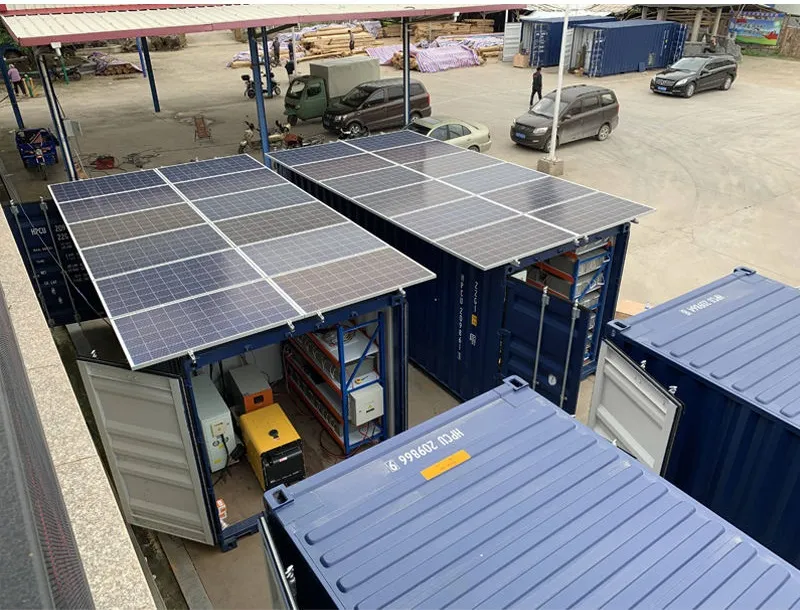
Bridging Global Expertise with Local Vision—Building a Sustainable Future, One Project at a Time
In the heart of the Middle East, where ancient deserts meet ambitious visions of the future, Saudi Arabia's "2030 Vision" is reshaping the nation's skyline—and its relationship with sustainability. At the forefront of this transformation stands Coloria, a global name in building materials that's not just supplying products, but crafting solutions that align with the kingdom's goals of local growth, green energy, and community progress. Today, we're diving into how Coloria's green building materials, especially its solar panels for sheds and beyond, are becoming a cornerstone of Saudi's sustainable building revolution.
But Coloria isn't just another building material supplier . It's a partner that understands the unique rhythm of the Middle East market—where harsh climates demand durable products, and cultural values prioritize long-term community impact. With over a decade of experience rooted in Saudi Arabia and a portfolio spanning 14 product categories, Coloria has redefined what it means to be a one-stop architectural solution provider . From solar panels that harness the region's abundant sunlight to whole-house customization solutions that blend functionality with local aesthetics, Coloria is proving that sustainability and convenience can go hand in hand.
To understand Coloria's role, we first need to grasp the scale of Saudi Arabia's 2030 Vision. Launched to reduce oil dependency and build a diversified, sustainable economy, the vision sets bold targets: 50% of the kingdom's energy from renewables by 2030, a 40% reduction in carbon emissions, and millions of new jobs in non-oil sectors. For the building industry, this means a seismic shift—from traditional, energy-heavy construction to projects that prioritize efficiency, local materials, and green tech.
Enter Coloria. With a regional office in Saudi Arabia and a team deeply familiar with local regulations and climate challenges, the company isn't just importing global products—it's tailoring solutions to fit the vision's needs. Take, for example, their investment in green building materials that "dual carbon goals" (a global push for carbon peaking and neutrality). These aren't just buzzwords; they're tangible products like solar panels designed to withstand Saudi's high temperatures, or bamboo charcoal board wall panels that improve indoor air quality while reducing reliance on plastic-based materials.
But Coloria's contribution goes beyond products. The vision also emphasizes "localization"—creating jobs and skills within Saudi Arabia. By training local talent and partnering with Saudi agencies, Coloria is helping build a workforce that can lead the kingdom's green building boom. As one Coloria project manager put it: "We don't just sell materials; we grow with the communities we serve. When a Saudi engineer installs our solar panels on a school shed, they're not just powering a building—they're powering their own future."
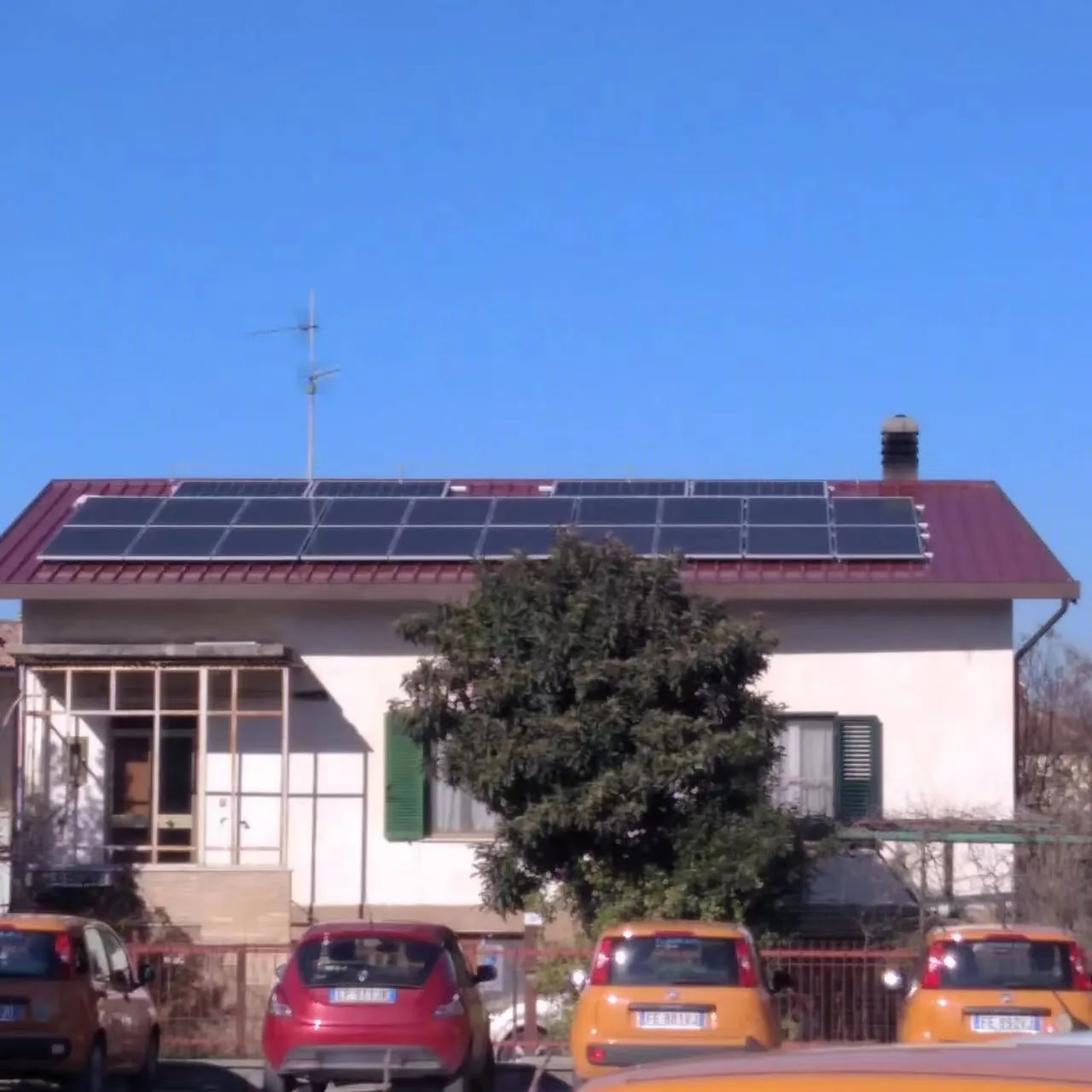
When we think of solar panels, we often picture vast commercial arrays or residential rooftops. But in Saudi Arabia, one of the most impactful applications is surprisingly humble: sheds. From agricultural storage units to community center tool sheds, these small structures dot the landscape—and Coloria sees them as untapped opportunities for sustainability.
Coloria's solar panels are engineered for the Middle East's unique conditions. Unlike generic panels that may degrade quickly under intense sunlight, theirs are tested to withstand temperatures up to 55°C (131°F) and sandstorms, ensuring a 25-year lifespan—critical for projects aiming to meet long-term vision targets. For a farmer in Riyadh, installing Coloria's solar panels on a shed isn't just about cutting electricity costs; it's about powering irrigation systems, reducing reliance on the grid, and contributing to the kingdom's renewable energy goals.
But the benefits don't stop at sheds. Coloria's solar solutions scale seamlessly to residential and commercial projects. Imagine a housing development where every home's rooftop, garage, and even garden shed is equipped with solar panels—collectively feeding into a microgrid that powers the entire community. This isn't a distant dream; it's a reality Coloria is helping build in partnership with Saudi developers. As a residential building materials supplier and commercial building materials supplier , the company bridges the gap between small-scale and large-scale solar adoption, making renewables accessible to everyone from homeowners to hotel chains.
| Project Type | Solar Panel Model | Key Features | Typical Impact |
|---|---|---|---|
| Sheds & Small Structures | Coloria Mini-Series | Lightweight, sand-resistant coating, easy DIY installation | Power tools, lighting, small appliances; reduces grid dependency by 30% |
| Residential Homes | Coloria HomePro | High-efficiency monocrystalline cells, smart monitoring app | Covers 60-80% of household energy needs; cuts electricity bills by 50% |
| Commercial Buildings | Coloria EcoMax | Industrial-grade durability, scalable for large rooftops | Power HVAC systems, lighting, and machinery; qualifies for green building certifications |
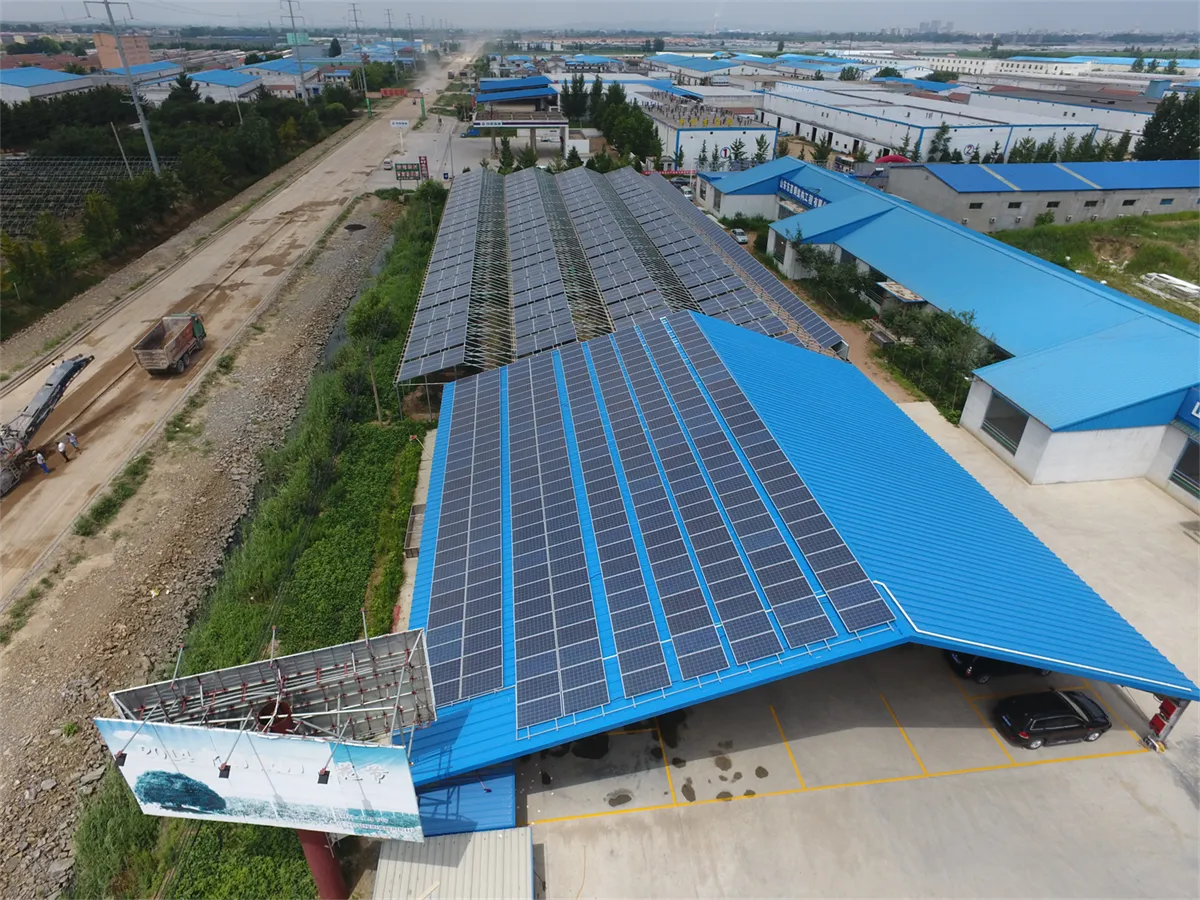
What truly sets Coloria apart is its ability to deliver more than just solar panels. As a one-stop architectural solution provider , it covers every phase of a building project—from the foundation to the finishing touches. Let's say you're an architect designing a residential complex in Jeddah. You need solar panels for energy, WPC wall panels for the exterior (resistant to humidity), and custom kitchen cabinets that reflect local design preferences. Instead of coordinating with 5+ suppliers, you can source all of this from Coloria.
This "one-stop" model isn't just convenient—it's transformative. For developers, it slashes project timelines by 20-30% by eliminating delays from multiple vendor coordination. For contractors, it reduces logistics headaches, as Coloria handles shipping, customs, and on-site delivery through its global network. And for clients, it ensures consistency in quality—no more mismatched materials or varying warranty terms.
Take, for example, a recent hotel project in Riyadh. The developer needed everything from interior decoration materials (like porcelain slab tiles for walls) to exterior cladding (MCM flexible stone panels that mimic traditional Saudi stonework) and energy-efficient lighting. Coloria didn't just supply the products; their team collaborated with the architect to suggest solar-compatible roofing materials and energy-saving kitchen appliances, aligning the project with both the client's budget and Saudi's sustainability goals. The result? A 5-star hotel that uses 40% less energy than comparable buildings—and was delivered 2 months ahead of schedule.
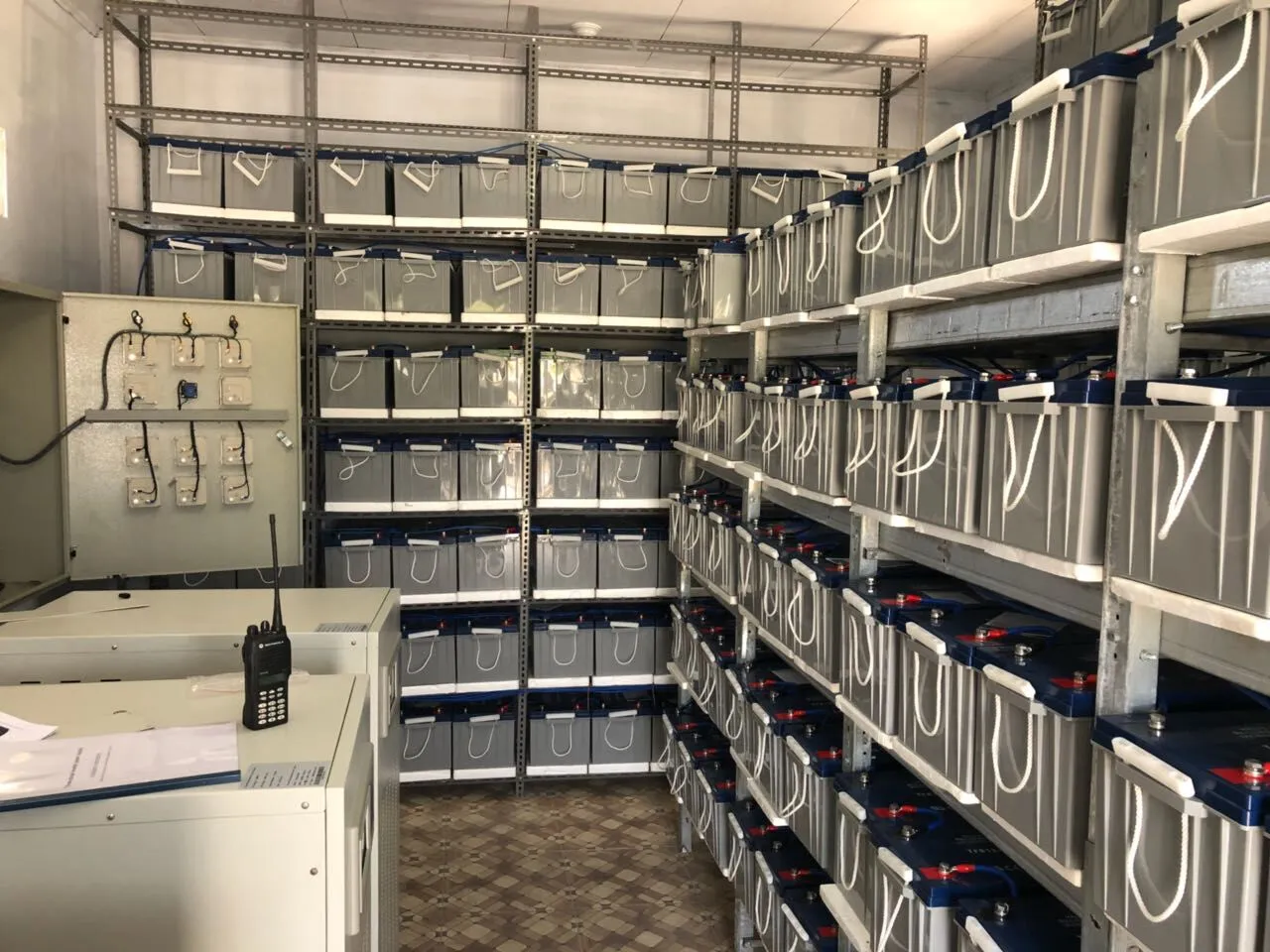
In the building industry, "local knowledge" isn't a nice-to-have—it's a necessity. Saudi Arabia's climate, building codes, and cultural preferences are unique. A solar panel that works in Europe might fail in Jeddah's humidity; a wall material popular in Asia might not meet Saudi's strict fire safety standards. Coloria's decades of experience in the region mean they've already navigated these challenges, so their clients don't have to.
Consider their wall solutions. While many suppliers offer generic walls supplier options, Coloria's bamboo charcoal board panels are a game-changer. Infused with natural bamboo charcoal, they absorb moisture (critical in coastal cities like Dammam) and neutralize odors, making them ideal for hospitals, schools, and residential spaces. Similarly, their Class A fireproof CPL inorganic boards are specifically designed for public buildings, meeting Saudi's stringent safety regulations while offering a sleek, modern finish.
But local expertise also means understanding people. Coloria's Saudi team includes architects, engineers, and project managers who speak the language (both literally and figuratively). They know that a "whole-house customization" project for a Saudi family might include traditional majlis seating alongside smart home tech, or that commercial clients value materials that reflect cultural heritage (like cloud stone or terrazzo tiles that echo local geology). This blend of global quality and local insight is why Coloria isn't just a supplier—they're a trusted advisor.
To see Coloria's impact in action, look no further than the Al-Madinah Community Center, a small neighborhood project in Medina. The center needed a storage shed for gardening tools and event supplies, but the local council wanted more: a space that could also serve as a mini-library and after-school hub for kids. With a tight budget and a goal to be "solar-powered," they turned to Coloria.
Coloria's team proposed a solution that went beyond the shed: solar panels from their Mini-Series to power lighting and a small fan, bamboo charcoal wall panels for durability and air quality, and even custom-built shelves (part of their custom furniture supplier line) designed to withstand wear and tear from children. The result? A 200 sq. ft. shed that now runs entirely on solar energy, hosts weekly storytime sessions, and has become a model for other communities in Medina.
"Before Coloria, we thought solar power was too expensive for a small project," says Fatima, the community center's coordinator. "But their team walked us through grants available under Saudi's green building initiative and even helped with installation. Now, the kids call it 'the sun shed'—and it's become the heart of our neighborhood."
As Saudi Arabia marches toward 2030, Coloria isn't standing still. The company is doubling down on its investment in local talent, with plans to train 500 Saudi engineers and technicians in green building practices over the next 5 years. They're also expanding their sustainable product line, with new innovations like solar-integrated roof tiles and recyclable PVC pipe systems that reduce plastic waste by 30%.
But perhaps most exciting is their focus on "circularity"—designing products that can be reused or recycled at the end of their lifecycle. For example, their WPC wall panels are made from 70% recycled wood and plastic, and their solar panels are designed for easy disassembly, allowing components to be repurposed or recycled. This aligns with Saudi's goal of a "circular economy," where waste is minimized and resources are kept in use for as long as possible.
At the end of the day, Coloria's story is about more than building materials. It's about partnership—with Saudi Arabia, with local communities, and with a future where buildings don't just house people, but empower them. Whether it's a solar-powered shed in Medina or a skyscraper in Riyadh, Coloria is proving that being a saudi arabia building materials supplier means being part of something bigger: a vision where sustainability, progress, and community grow together.
For architects, developers, or homeowners in Saudi Arabia, Coloria isn't just a supplier—it's a gateway to building projects that are efficient, sustainable, and deeply connected to the kingdom's vision. From solar panels that turn sunlight into progress to one-stop solutions that simplify even the most complex projects, Coloria is redefining what's possible in the building industry.
So, whether you're planning a small shed or a large commercial complex, ask yourself: What would it mean to partner with a supplier that understands your needs, shares your values, and has the experience to turn your vision into reality? With Coloria, the answer is simple: a building project that's not just built to last, but built to make a difference.
Recommend Products












