
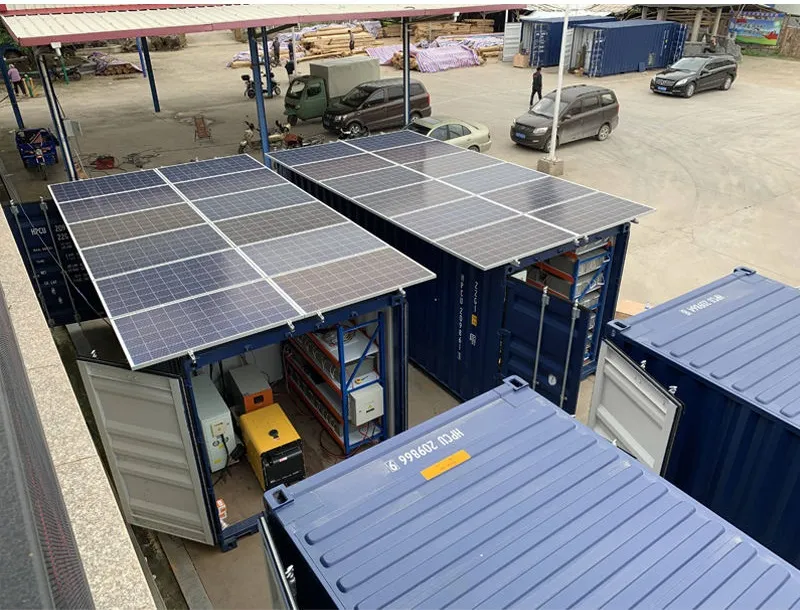
The solar revolution promised clean energy, but for years the manufacturing behind it operated with significant environmental costs. Imagine walking through a solar factory ten years ago - you'd likely see enormous energy consumption, chemical-intensive processes, and waste streams that contradicted the green mission of the products being made. But things are changing dramatically.
Today's leading solar manufacturers have recognized this paradox. They're transforming their facilities into models of sustainable industrial practice. This isn't just window dressing - we're talking about fundamental reengineering of production methods, supply chains, and resource flows. The new paradigm proves renewable energy manufacturing can align with its products' environmental benefits.
At the heart of green manufacturing lies a commitment to ethical and sustainable material sourcing. This begins with silicon, the primary material in most solar panels. Leading factories now:
Forward-thinking manufacturers are diversifying beyond traditional silicon with innovative approaches:
What's more ironic than energy-intensive manufacturing of devices meant to create clean power? Today's leaders have tackled this head-on through:
| Innovation | Description | Impact |
|---|---|---|
| Dynamic Process Heating | AI-controlled furnaces that adjust temperatures based on material conditions | 28% less energy consumption during silicon purification |
| Waste Heat Recovery | Closed-loop systems capturing excess heat for adjacent processes | Recovers up to 65% of thermal energy otherwise wasted |
| Process Re-engineering | Radically simplified manufacturing sequences | Reduced processing steps from 12 to 8 (33% less energy) |
| Renewable-Powered Facilities | On-site solar farms meeting up to 95% of facility needs | Carbon-neutral manufacturing operations |
Traditional solar panel manufacturing consumes vast amounts of water for cooling and wafer cleaning. Let's explore the transformation underway:
Fact: Leading solar factories have reduced water consumption by up to 90%. How? Through sophisticated recycling systems that capture, filter, and reuse cooling water repeatedly. Water conservation has become such a priority that facilities in water-scarce regions are now:
Remember when wafer cleaning required harsh chemicals and constant rinsing? Progressive factories have replaced this with:
Early solar manufacturing had landfill waste rates approaching 25%. Today's pioneers have turned waste streams into resource opportunities:
Consider the journey of silicon scrap at a leading Texas facility:
This closed-loop approach transforms a 10% waste rate into less than 0.5%, saving hundreds of tons annually.
Factories once struggled with toxic chemical byproducts. Now they've developed methods to:
Sustainable manufacturing extends far beyond factory walls. Forward-thinking companies have established:
| Initiative | Implementation | Impact |
|---|---|---|
| Conflict Mineral Tracking | Blockchain systems verifying origins of critical materials | 100% traceability from mine to module |
| Living Wages | Third-party verified wage policies | Wages 25% above regional standards |
| Supplier ESG Training | Workshops on environmental and ethical practices | 85% reduction in non-compliant suppliers |
Measuring environmental impact requires rigorous carbon accounting across the entire value chain:
Leading factories use cradle-to-grave assessment to:
Manufacturers have transformed distribution networks through:
The evolution toward truly sustainable solar manufacturing continues with breakthrough developments:
Future facilities will mimic natural ecosystems where resources circulate continuously. Imagine:
The next wave involves radical decentralization:
Recommend Products












