
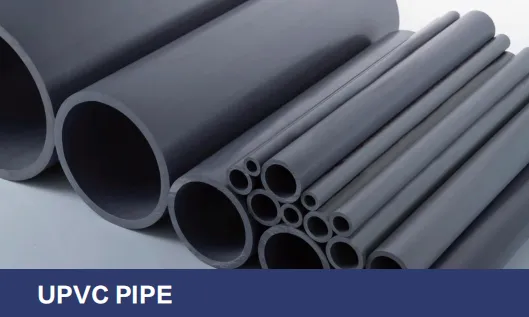
In the global race to achieve carbon neutrality, the construction industry is undergoing a profound transformation. Buildings are responsible for approximately 39% of global energy-related carbon emissions, with 11% attributed to the manufacturing and transportation of building materials alone. As architects, developers, and policymakers strive to meet net-zero targets, the focus has shifted to sustainable materials that reduce environmental impact without sacrificing performance. Among these materials, UPVC (unplasticized polyvinyl chloride) pipes have emerged as a quietly revolutionary choice, offering a unique combination of durability, efficiency, and eco-friendliness. This article explores how UPVC pipe solutions, supported by forward-thinking suppliers, are becoming a cornerstone of green building practices, helping projects align with carbon neutrality goals while delivering long-term value.
For decades, construction projects relied on materials like galvanized steel, cast iron, and concrete for piping systems, each with hidden environmental costs. Galvanized steel pipes, for example, require intensive energy during production—mining iron ore, smelting, and galvanization release significant CO2. Their susceptibility to corrosion also leads to frequent replacements, creating a cycle of manufacturing, transportation, and installation emissions. Concrete pipes, while durable, depend on cement—a material responsible for 8% of global CO2 emissions—and their weight increases transportation fuel use. Even copper pipes, once praised for conductivity, face criticism for energy-heavy mining and limited recyclability. These materials, while functional, fall short of modern sustainability standards, creating a pressing need for alternatives that balance performance with planetary health.
The lifecycle impact of these traditional materials is equally concerning. A 2022 study by the World Green Building Council found that a typical commercial building's piping system contributes 12–15% of its total embodied carbon. When factoring in replacements every 20–30 years, this figure rises significantly. For developers aiming for net-zero, this creates a paradox: how to build efficiently while minimizing the carbon footprint of essential systems like plumbing and drainage. The answer, increasingly, lies in materials like UPVC that redefine what sustainable piping can achieve.
UPVC pipes, made from unplasticized polyvinyl chloride, represent a paradigm shift in sustainable construction. Unlike plasticized PVC, UPVC contains no phthalates, making it rigid, chemically resistant, and environmentally stable. Its sustainability credentials stem from a lifecycle approach—reducing emissions at every stage, from manufacturing to disposal. Let's break down what makes UPVC a green choice for modern buildings.
The production of UPVC pipes requires significantly less energy than traditional materials. The polymerization of vinyl chloride monomers, while energy-intensive, uses 40–50% less energy than steel pipe manufacturing and 60% less than concrete. Modern upvc pipe suppliers have further reduced emissions by adopting renewable energy—many now power factories with solar or wind, slashing carbon footprints. For example, a leading manufacturer in Europe reduced production-related emissions by 35% in five years by switching to 100% renewable electricity. Additionally, UPVC's high material yield minimizes waste—unlike steel or concrete, which generate scrap during cutting—further lowering environmental impact.
UPVC pipes boast a lifespan of 50–60 years, far exceeding the 20–30 year average of galvanized steel and 30–40 year lifespan of concrete. This longevity drastically cuts lifecycle emissions by reducing replacement cycles. Consider a residential complex with 1,000 meters of DWV (Drain, Waste, Vent) piping: choosing UPVC over steel could eliminate two replacement cycles over 100 years, saving 2,000+ meters of new pipe production and associated emissions. Their resistance to corrosion, chemicals, and biological growth ensures they remain functional even in harsh environments, from commercial kitchens to coastal buildings, further extending their service life.
UPVC's lightweight design (70% lighter than steel, 80% lighter than concrete) reduces transportation emissions. A single truck can carry 3–4 times more UPVC pipes than steel pipes, cutting delivery trips by two-thirds. On-site, their light weight simplifies installation, reducing the need for heavy machinery and lowering labor energy use. For example, a 2023 project in Dubai reported a 40% reduction in on-site fuel consumption after switching to UPVC pipes, as cranes and forklifts were used less frequently. Their smooth inner surface also enhances flow efficiency, reducing the energy needed to pump wastewater—a hidden energy saver in large buildings.
While UPVC pipes serve multiple applications, their impact is particularly notable in Drain, Waste, and Vent (DWV) systems. DWV systems are critical for indoor air quality and water damage prevention, and optimizing them with PVC DWV pipes (a specialized subset of UPVC) delivers unique sustainability benefits. Pvc dwv pipe suppliers have tailored these solutions to meet green building demands, offering features that align with LEED, BREEAM, and WELL certifications.
PVC DWV pipes are engineered for efficiency: their smooth bore minimizes friction, allowing wastewater to flow with less energy, while their chemical resistance ensures they handle harsh substances without degradation. Unlike corrugated pipes, which trap debris and require frequent cleaning, PVC DWV pipes reduce maintenance needs—lowering the carbon footprint of upkeep (e.g., fewer service trips, less chemical drain cleaners). Suppliers now offer innovative designs, such as low-slope DWV systems that reduce excavation depth, saving energy and minimizing site disruption. For example, a 10-story hotel in Singapore used PVC DWV pipes with a 1/4-inch per foot slope instead of the standard 1/2-inch, reducing trenching by 30% and cutting construction emissions by 15 tons.
The environmental benefits of PVC DWV pipes are backed by third-party certifications. Many pvc dwv pipe suppliers provide Environmental Product Declarations (EPDs) that verify carbon footprint claims, helping builders earn LEED credits for low-emission materials. A 2021 case study of a LEED Gold office building in London found that using PVC DWV pipes contributed to 3 LEED points under the Materials and Resources category, directly supporting its sustainability certification.
To quantify UPVC's benefits, let's compare it to common alternatives across key sustainability metrics, using data from industry EPDs and lifecycle assessments:
| Material | Embodied Carbon (kg CO2/m) | Lifespan (Years) | Transport Emissions (kg CO2/100m) | Recyclability | Maintenance Energy (kWh/m/year) |
|---|---|---|---|---|---|
| UPVC (DWV) | 0.9–1.2 | 50–60 | 8–10 | High (90% recyclable into new pipes/fittings) | 0.02–0.03 |
| Galvanized Steel | 3.8–4.5 | 20–30 | 25–30 | Moderate (60% recyclable, high energy to reprocess) | 0.15–0.20 |
| Concrete | 4.2–5.8 | 30–40 | 40–45 | Low (crushed for aggregate, limited pipe reuse) | 0.08–0.10 |
| PPR (Polypropylene) | 1.6–2.2 | 40–50 | 12–15 | Moderate (50% recyclable, specialized facilities needed) | 0.04–0.05 |
The data highlights UPVC's clear advantage: lower embodied carbon, longer lifespan, reduced transport emissions, and minimal maintenance energy. For a 500-meter DWV system, choosing UPVC over galvanized steel reduces lifecycle carbon by approximately 1,500 kg—equivalent to planting 75 trees and letting them grow for 10 years. When scaled across an entire building, these savings contribute significantly to carbon neutrality goals.
Behind the success of UPVC pipes in green buildings are suppliers committed to sustainability. Upvc pipe suppliers and pvc dwv pipe suppliers are no longer just product vendors—they are partners in sustainability, offering expertise and innovation to help projects meet carbon targets. Leading suppliers now prioritize transparency, providing EPDs and third-party certifications to verify environmental claims. For example, a major upvc pipe supplier in the Middle East recently launched a "Carbon-Neutral Piping" program, offsetting production emissions through reforestation and renewable energy projects, allowing clients to claim carbon reductions for their builds.
Innovation is another focus area. Suppliers are developing UPVC pipes with higher recycled content—some now use 20–30% post-consumer recycled plastic, reducing reliance on virgin materials. Others offer custom-cut pipes to minimize waste on-site; a supplier in Germany reports clients reducing material waste by 18% by ordering pre-cut lengths. Training and technical support are also key: suppliers educate installers on best practices to maximize pipe lifespan, ensuring proper fitting and alignment to prevent leaks and extend service life.
The impact of UPVC pipe solutions is best illustrated through real-world projects. Take the example of "EcoVillage," a 500-unit residential complex in Riyadh, Saudi Arabia, designed to be net-zero by 2030. The project's sustainability team conducted a lifecycle analysis of piping options, comparing UPVC, steel, and concrete for both potable water and DWV systems. The analysis revealed that UPVC pipes would reduce the project's embodied carbon by 22% compared to steel and 28% compared to concrete. By partnering with a local upvc pipe supplier, the team optimized pipe sizing and layout, further cutting material use by 12%.
During construction, the lightweight UPVC pipes reduced transportation trips by 60%, lowering delivery emissions by 12 tons. Post-occupancy, the DWV system (using pvc dwv pipe solutions) required zero maintenance in its first five years, while a neighboring complex with steel pipes reported two replacement cycles in the same period. EcoVillage achieved LEED Platinum certification in 2023, with the judges highlighting its "innovative use of low-carbon materials like UPVC piping" as a key factor. Today, the project serves as a model for sustainable residential development in the region.
As the construction industry evolves, UPVC pipe technology continues to advance. One emerging trend is bio-based UPVC, where petroleum-derived monomers are replaced with plant-based feedstocks. While still in early stages, pilot projects in Europe have produced bio-UPVC with a 15% lower carbon footprint. Smart piping is another frontier: suppliers are integrating sensors into UPVC pipes to monitor flow, pressure, and leaks in real time. A project in Singapore used these smart pipes to detect a minor leak early, preventing 10,000 gallons of water waste and avoiding 500 kg of CO2 emissions from water treatment and pumping.
Circular economy models are also gaining momentum. Suppliers are launching take-back programs, collecting old UPVC pipes for recycling into new products. A supplier in Switzerland reports recycling 1,200 tons of UPVC annually, diverting waste from landfills and reducing virgin plastic use by 15%. Looking ahead, these innovations promise to make UPVC pipes even more sustainable, solidifying their role in the net-zero buildings of tomorrow.
In the quest for carbon neutrality, UPVC pipes have proven to be more than just a building material—they are a catalyst for change. Their low embodied carbon, long lifespan, and efficiency make them a cornerstone of green building practices, helping projects reduce emissions while delivering reliable performance. Supported by innovative suppliers, UPVC pipe solutions are redefining what sustainable construction can achieve, proving that environmental responsibility and functionality can go hand in hand.
As the construction industry continues its sustainability journey, the choice of piping materials will remain critical. UPVC pipes offer a clear path forward: reducing carbon footprints, lowering lifecycle costs, and supporting the global transition to net-zero. For architects, developers, and builders, the message is clear: when it comes to piping, UPVC isn't just a choice—it's a commitment to a more sustainable future. And in that future, every pipe, fitting, and connection brings us one step closer to a carbon-neutral world.
Recommend Products












