
In a world where the phrase "climate action" has moved from a buzzword to a urgent call to arms, the construction industry stands at a crossroads. Buildings account for nearly 40% of global energy consumption and 30% of greenhouse gas emissions, according to the United Nations Environment Programme. It's no wonder, then, that governments, developers, and homeowners alike are rallying behind green building targets —ambitious goals to reduce environmental impact while creating healthier, more efficient spaces. At the heart of this movement lies a quiet yet powerful player: eco-friendly building materials. And among these, plastic valve systems and piping solutions are emerging as unsung heroes, reshaping how we build for a sustainable future.
Walk into any city today, and you'll notice a shift. Skyscrapers with vertical gardens, neighborhoods with solar-paneled roofs, and homes designed to capture natural light—these aren't just architectural trends; they're responses to a planet in crisis. Green building targets, whether set by governments, industry bodies, or individual companies, aim to cut carbon footprints, conserve resources, and improve indoor air quality. Take Saudi Arabia, for example, where the government's Vision 2030 includes plans to build sustainable cities and reduce carbon emissions by 46% by 2030. Such initiatives are driving demand for saudi arabia building materials supplier partners who prioritize eco-friendly solutions, from insulation to piping.
But it's not just about regulations. Consumers are voting with their wallets, too. A 2024 survey by the World Green Building Council found that 72% of homebuyers are willing to pay more for a sustainably built home, and 85% of commercial tenants prefer green-certified offices. This demand is pushing developers to seek out materials that align with certifications like LEED (Leadership in Energy and Environmental Design), BREEAM (Building Research Establishment Environmental Assessment Method), and Saudi Arabia's own ESG (Environmental, Social, Governance) standards. And when it comes to the "guts" of a building—its plumbing, wiring, and structural elements—plastic valve systems are proving to be a game-changer.
Let's be honest: When most people think about "green building materials," they picture solar panels, recycled steel, or bamboo flooring. Plastic? Not so much. But that's a misconception that's rapidly fading. Modern plastic valve systems—think upvc pipe solutions , ppr pipe and fitting solutions , and plastic valve system solutions —are a far cry from the flimsy, single-use plastics of the past. Today's options are engineered for durability, efficiency, and sustainability, making them ideal for meeting green building targets.
Why plastic, though? Traditional materials like copper and galvanized steel have long been staples in plumbing, but they come with trade-offs. Copper mining is energy-intensive, and steel is prone to corrosion, leading to leaks and water waste. Plastic, on the other hand, is lightweight, resistant to rust, and requires less energy to produce and transport. For instance, manufacturing UPVC (unplasticized polyvinyl chloride) pipes uses 40% less energy than copper pipes, according to the Plastics Pipe Institute. That's a significant reduction in carbon footprint right from the start.
Not all plastic valve systems are created equal. The best plastic valve system supplier partners offer solutions tailored to specific needs, from residential homes to large-scale commercial projects. Let's take a closer look at three standout options that are leading the charge in sustainability:
| Material Type | Eco-Friendly Features | Common Applications | Why It Matters for Green Building |
|---|---|---|---|
| UPVC Pipes & Fittings | Lead-free, 100% recyclable, low carbon footprint in production | Residential plumbing, water supply, drainage systems | Leak-resistant design reduces water waste; lightweight nature cuts transportation emissions |
| PPR Pipes & Fittings | High heat resistance, corrosion-proof, long lifespan (50+ years) | Hot/cold water systems, radiant floor heating, commercial buildings | Eliminates need for frequent replacements, reducing material waste over time |
| Plastic Valve Systems | Precision flow control, chemical-resistant, compatible with eco-friendly pipes | Irrigation, industrial piping, water treatment plants | Ensures efficient water usage; prevents leaks that contribute to water scarcity |
If there's one material that's become synonymous with eco-friendly plumbing, it's UPVC. Short for unplasticized polyvinyl chloride, UPVC pipes are rigid, strong, and free from the plasticizers that can leach harmful chemicals. A upvc pipe supplier will tell you that these pipes are a favorite for residential and commercial projects alike, and for good reason. Their smooth inner surface reduces friction, allowing water to flow more efficiently and lowering energy use for pumps. They're also resistant to chemicals and corrosion, which means fewer leaks and less maintenance over time.
Consider a typical residential building in Riyadh, where water scarcity is a pressing concern. Using UPVC pipes for the main water supply and drainage systems can cut water waste by up to 15% compared to older steel pipes, according to a 2023 study by the Saudi Building Code Organization. That's not just good for the planet—it's good for homeowners' utility bills, too. And because UPVC is lightweight, installing it requires less labor and equipment, further reducing the project's carbon footprint. It's no wonder that upvc pipe solutions are now a go-to for developers aiming to meet LEED or ESG certification requirements.
While UPVC excels in cold water systems, PPR (polypropylene random copolymer) pipes are taking center stage in hot water applications. A ppr pipe and fitting supplier will highlight their ability to withstand high temperatures (up to 95°C) and pressure, making them ideal for radiant floor heating, solar water systems, and commercial kitchens. But what really sets PPR apart is its longevity. With a lifespan of 50+ years—twice that of traditional copper pipes—PPR reduces the need for replacements, which in turn cuts down on material waste and construction disruptions.
Take the example of a hospital project in Jeddah. Hospitals require reliable, hygienic plumbing systems to ensure patient safety, and class a fireproof cpl inorganic board for hospital and school solutions are critical for fire safety. But behind the walls, PPR pipes are quietly doing their part. By using PPR for hot water lines, the hospital reduced its annual maintenance costs by 30% and avoided the need for pipe replacements that would have disrupted patient care. It's a small detail, but one that adds up to big wins for both sustainability and operational efficiency.
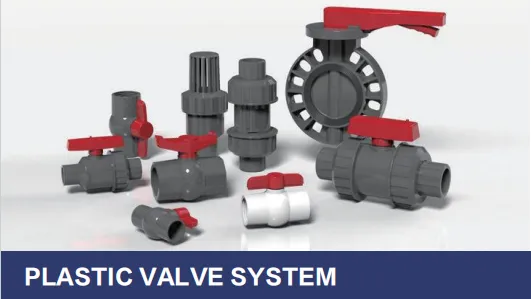
Pipes are the arteries of a building's plumbing system, but valves are the brains. A plastic valve system supplier knows that precision is key here—valves control water flow, regulate pressure, and prevent backflow, all of which are critical for reducing waste. Modern plastic valves, made from materials like PVC or PP, are designed to be leak-tight and long-lasting. Unlike metal valves, which can rust and seize up over time, plastic valves resist corrosion and require minimal maintenance. This makes them perfect for green building targets that prioritize water conservation and long-term reliability.
In a commercial complex in Dubai, for example, installing plastic valve systems in the irrigation and cooling systems led to a 22% reduction in water usage within the first year. The valves' ability to adjust flow rates based on real-time demand—such as reducing irrigation during rainy seasons—meant the complex not only saved water but also cut its energy costs for pumping. It's a testament to how even the smallest components can have a huge impact on a building's sustainability credentials.
Saving the planet is a noble goal, but let's be practical—builders and developers need solutions that make financial sense, too. Eco-friendly plastic valve systems deliver here, too. Let's break it down:
Cost-Effective: UPVC and PPR pipes are often cheaper than copper or steel upfront, and their low maintenance needs mean lower long-term costs. A 2024 report by the Construction Materials Association found that using UPVC instead of copper for a 100-home development in Riyadh saved developers over SAR 200,000 in material and labor costs.
Healthier Spaces: Traditional metal pipes can leach lead or other metals into water, posing health risks. Plastic valve systems, like those from a reputable plastic valve system supplier , are lead-free and non-toxic, ensuring clean water for drinking and bathing. This is especially important for hospitals, schools, and residential buildings where indoor air and water quality are top priorities.
Versatility: Plastic pipes and valves come in a range of sizes and configurations, making them suitable for everything from a small home renovation to a skyscraper. Whether you need pvc dwv pipe solutions for drainage or PEX pipes for radiant heating, there's a plastic solution that fits.
Talk is cheap; results matter. Let's look at two projects where eco-friendly plastic valve systems and piping solutions are making a tangible difference.
Residential Development: The Green Oasis in Riyadh
A mid-rise residential complex in Riyadh, aptly named "Green Oasis," set out to achieve LEED Gold certification. The developers partnered with a
saudi arabia building materials supplier
specializing in eco-friendly solutions, choosing UPVC pipes for water supply, PPR pipes for hot water systems, and plastic valve systems for irrigation. The result? The complex uses 30% less water than a conventional building of the same size, and residents report lower utility bills. "We wanted to build homes that our families would be proud to live in—homes that don't just look good but do good," says the project manager. "The plastic piping solutions were a no-brainer; they helped us hit our sustainability goals without compromising on quality."
Commercial Project: The Eco-Office Tower in Dubai
A 25-story office tower in Dubai aimed to be the city's first net-zero carbon building. To achieve this, the team focused on reducing energy and water use. They installed PPR pipes for the office's hot water system and plastic valve systems with smart sensors that adjust flow rates based on occupancy. By combining these solutions with solar panels and energy-efficient HVAC, the tower now produces more energy than it consumes. "The plastic valve systems were critical for managing water use in high-traffic areas like restrooms and break rooms," explains the sustainability consultant. "We've cut water consumption by 40%, which is a huge win for both the environment and our clients' bottom line."
Critics often argue that plastic, even in building materials, contributes to pollution. It's a fair concern—but the reality is more nuanced. Modern plastic valve systems and pipes are designed with the circular economy in mind. Many are 100% recyclable at the end of their lifespan, and manufacturers are increasingly using recycled plastic in production. For example, some UPVC pipes now contain up to 30% recycled content, reducing the need for virgin plastic.
Moreover, when compared to traditional materials, plastic often comes out on top in lifecycle assessments. A study by the European Plastic Pipes and Fittings Association found that UPVC pipes have a lower carbon footprint than copper pipes over their entire lifespan, considering production, transportation, installation, and disposal. The key is responsible sourcing and end-of-life management—a plastic valve system supplier committed to sustainability will offer take-back programs or partner with recycling facilities to ensure materials are reused, not landfilled.
The demand for green building materials isn't slowing down—and neither is innovation in plastic valve systems. Looking to the future, here's what we can expect:
Smart Integration: Imagine valves that communicate with building management systems, alerting maintenance teams to potential leaks before they happen. This is already in the works, with some ppr pipe and fitting supplier companies testing IoT-enabled valves that provide real-time data on water flow and pressure. This could revolutionize water conservation in large buildings.
Bio-Based Plastics: Researchers are developing plastic pipes and valves made from renewable resources like corn starch or algae. These bio-based materials have the same durability as traditional plastic but with a significantly lower carbon footprint. While still in the early stages, they could be game-changers for the industry.
Circular Economy Models: More suppliers are adopting "cradle-to-cradle" approaches, where old pipes and valves are collected, recycled, and turned into new products. This closes the loop and reduces reliance on virgin materials, making plastic valve systems even more sustainable.
Green building targets are more than just goals on paper—they're a promise to future generations. As we strive to build cities that are greener, healthier, and more resilient, the materials we choose matter. Eco-friendly plastic valve systems, UPVC pipes, PPR fittings, and the suppliers who provide them are proving that sustainability and performance can go hand in hand. They're not just building materials; they're tools for change.
Whether you're a developer in Saudi Arabia looking to meet Vision 2030 goals, a homeowner wanting to reduce your carbon footprint, or a contractor aiming to deliver LEED-certified projects, the message is clear: the future of construction is eco-friendly. And with the right plastic valve system solutions , upvc pipe solutions , and partners by your side, that future is within reach.
So let's build it—one pipe, one valve, one sustainable building at a time.
Recommend Products












