

In the heart of the Middle East, Saudi Arabia is undergoing a transformation—one that reaches far beyond its skyline. As the kingdom marches toward its Vision 2030 goals, sustainability has emerged not just as a buzzword, but as a cornerstone of progress. From renewable energy initiatives to green urban planning, every sector is being reimagined with the planet in mind. And at the center of this shift? The buildings we live, work, and learn in. After all, structures aren't just walls and roofs; they're the backdrop of our daily lives, and their impact on the environment echoes for decades. That's where forward-thinking building materials suppliers come in—companies that don't just provide products, but solutions designed to align with a greener, more sustainable future. Today, we're diving into how one Saudi Arabia building materials supplier is leading the charge, with a focus on a game-changing product: PU stone wall panels.
Saudi Arabia's urban landscape is evolving at a breathtaking pace. Cities like Riyadh, Jeddah, and NEOM are expanding with ambitious projects—skyscrapers, residential complexes, hospitals, and schools that aim to rival the world's most innovative metropolises. But with growth comes responsibility. The construction industry is a major contributor to global carbon emissions, accounting for nearly 40% of energy-related CO2 output worldwide, according to the UN Environment Programme. In a country where temperatures regularly soar above 40°C, energy efficiency isn't just about sustainability; it's about creating livable spaces that don't drain resources. Add to that the kingdom's commitment to reducing its carbon footprint under Vision 2030—including a target to reach net-zero emissions by 2060—and it's clear: the materials used in these buildings matter more than ever.
Traditional building materials, while reliable, often fall short in the sustainability department. Heavy stone panels, for example, require significant energy to quarry, transport, and install. They can strain a building's structural integrity, leading to higher maintenance costs over time. And in a region prone to sandstorms and extreme heat, their durability can waver, resulting in frequent replacements and more waste. For Saudi Arabia to truly build for the future, it needs materials that are strong, adaptable, and kind to the planet. Enter PU stone wall panels—and the suppliers who specialize in bringing them to life.
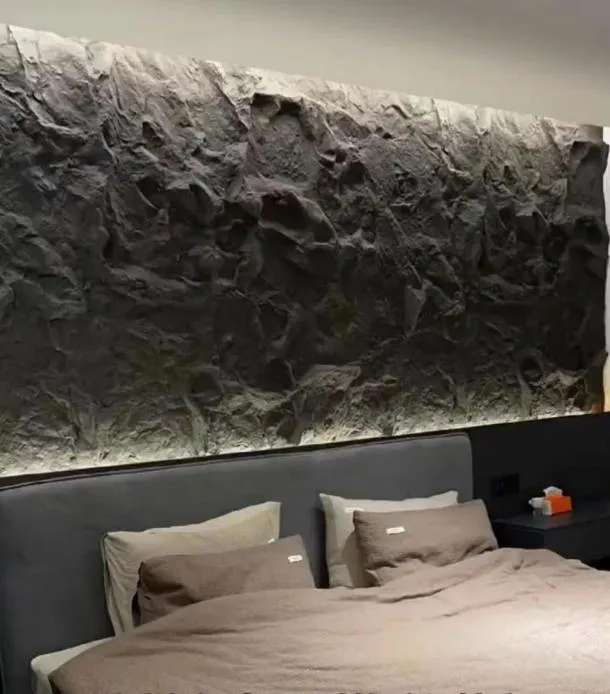
If you're not familiar with PU stone wall panels, let's start with the basics. PU, or polyurethane, is a versatile polymer known for its durability, flexibility, and insulating properties. When combined with natural stone aggregates, it creates a panel that mimics the look and texture of real stone—think the warmth of granite, the elegance of marble, or the rustic charm of travertine—without the environmental drawbacks. As a PU stone wall panel supplier, the focus isn't just on aesthetics; it's on engineering a product that checks every box for modern, sustainable construction.
So, what makes PU stone wall panels stand out? Let's break it down. First, they're lightweight. Traditional stone panels can weigh upwards of 50 kg per square meter, requiring heavy machinery for installation and adding stress to a building's framework. PU stone panels, by contrast, tip the scales at just 8–12 kg per square meter. That might not sound like a big difference, but multiply it by the thousands of square meters in a commercial project, and the impact is enormous: reduced transportation emissions (since more panels can fit on a truck), lower labor costs (fewer workers needed for installation), and less strain on a building's structure, which can extend its lifespan. For contractors and developers in Saudi Arabia, this means faster build times and lower long-term maintenance costs—two factors that make sustainability financially viable, not just ethically sound.
Then there's the environmental footprint. Quarrying natural stone is resource-intensive, often involving deforestation, habitat disruption, and high carbon emissions from machinery. PU stone wall panels, on the other hand, use a fraction of the raw materials. Many suppliers, including leading PU stone wall panel suppliers in Saudi Arabia, prioritize recycled content in their production process, further reducing waste. Plus, because PU is inherently resistant to moisture, mold, and pests, these panels last longer than traditional stone, meaning fewer replacements and less landfill waste over time. It's a circular approach to construction—one that aligns with Saudi Arabia's goal of moving toward a circular economy.
But sustainability isn't just about the planet; it's about people, too. In a country where indoor air quality can suffer due to dust and humidity, the materials used in walls and ceilings directly impact health. Traditional stone panels, if not sealed properly, can trap moisture and harbor allergens. PU stone panels, however, are non-porous and easy to clean, making them ideal for spaces like hospitals, schools, and residential buildings where hygiene is paramount. Some even come with added benefits, like built-in insulation, which helps regulate indoor temperatures and reduce reliance on air conditioning—critical in Saudi Arabia's hot climate. Lower energy use means lower utility bills for occupants and fewer greenhouse gas emissions for the planet. It's a win-win.
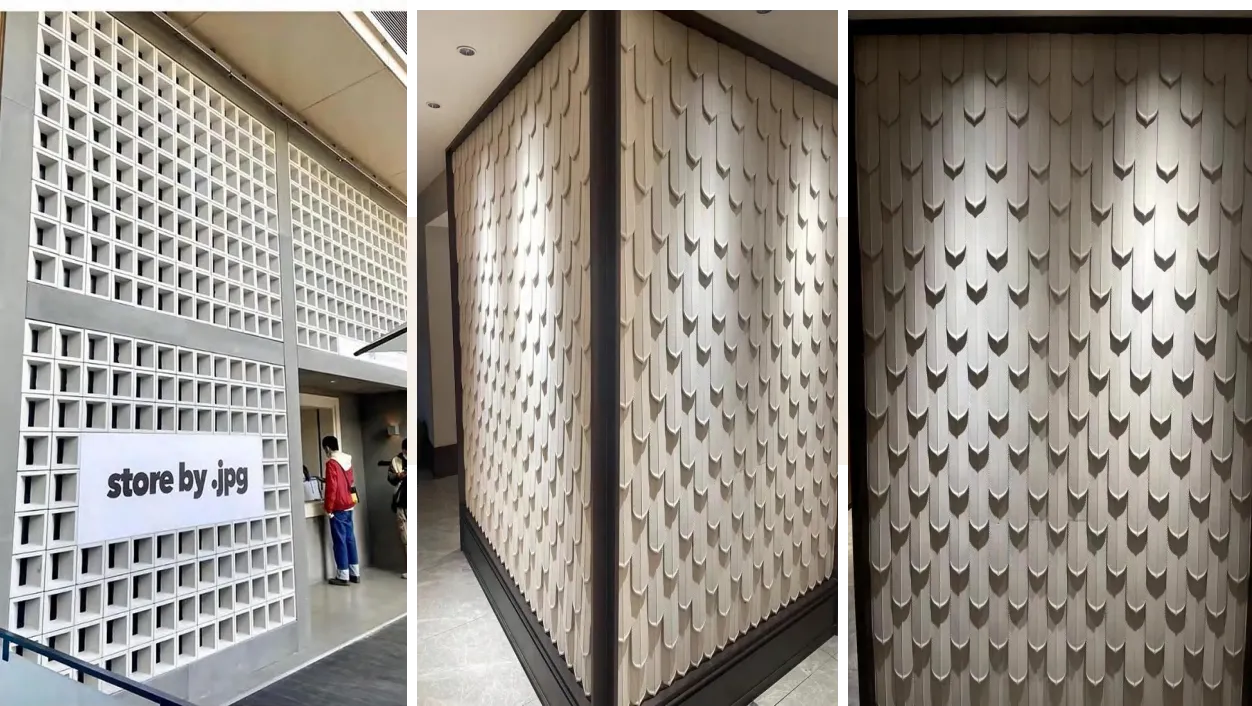
Being a PU stone wall panel supplier in Saudi Arabia today isn't just about selling a product; it's about partnering with clients to build a sustainable future. The best suppliers don't stop at manufacturing panels—they offer end-to-end PU stone wall panel solutions designed to meet the unique needs of Saudi projects, from residential towers to commercial complexes.
Take, for example, the focus on energy efficiency. Saudi Arabia's Estidama Green Building Rating System, modeled after LEED, awards points for materials that reduce a building's energy consumption. PU stone wall panels, with their insulating properties, can help projects earn those points, making them more attractive to developers aiming for green certifications. A reputable supplier will work closely with architects and contractors to ensure the panels are integrated into the building's design for maximum efficiency—whether that's through custom sizing, color matching to reduce the need for additional paints (which often contain volatile organic compounds, or VOCs), or providing installation guides that minimize waste on-site.
Then there's durability in harsh conditions. Saudi Arabia's climate is unforgiving: intense sunlight, sandstorms, and occasional heavy rains. Traditional stone can fade, crack, or erode under these conditions, leading to costly repairs. PU stone panels, however, are engineered to withstand UV radiation, temperature fluctuations, and moisture. A quality supplier will back this up with testing data—proving, for instance, that their panels retain their color and structural integrity after years of exposure to the Saudi sun. This reliability not only reduces maintenance costs but also ensures that buildings remain visually appealing and functional for decades, aligning with Vision 2030's focus on long-term, sustainable development.
Sustainability also means accessibility. For green building to become the norm, sustainable materials can't be a luxury reserved for high-end projects. The best PU stone wall panel suppliers in Saudi Arabia understand this, offering competitive pricing without compromising on quality. By optimizing their manufacturing processes—using local materials where possible to reduce transportation emissions, investing in energy-efficient production facilities, and minimizing waste—they make PU stone panels a viable option for both large-scale developments and smaller projects, from schools in Riyadh to hospitals in Dammam.
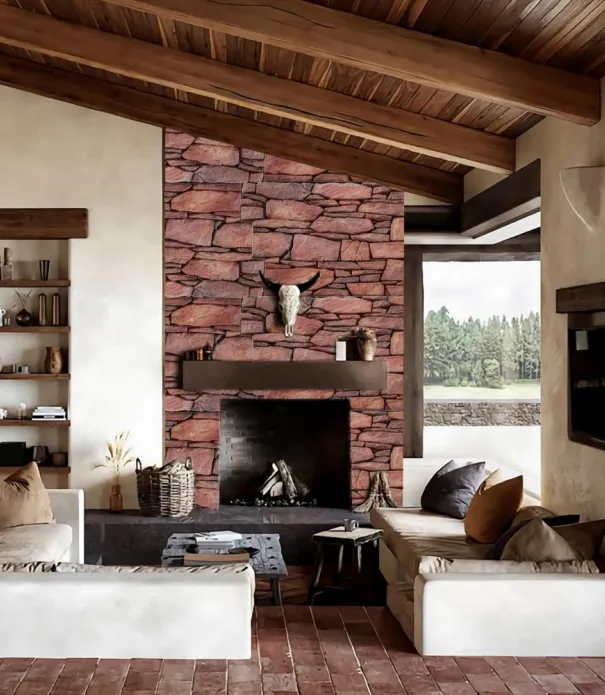
Another key area is customization. Saudi architecture is a blend of tradition and modernity, and buildings often feature unique designs that reflect cultural heritage. A flexible PU stone wall panel supplier can create panels in a range of textures and colors, from smooth, contemporary finishes to rough-hewn, stone-like surfaces that pay homage to traditional Saudi craftsmanship. This versatility means developers don't have to sacrifice aesthetics for sustainability. Imagine a mosque with intricate stone-like detailing on its exterior—crafted not from quarried stone, but from lightweight, eco-friendly PU panels. It's a way to honor the past while building for the future.
| Feature | Traditional Stone Panels | PU Stone Wall Panels |
|---|---|---|
| Weight | Heavy (40–60 kg/m²), requiring reinforced structures | Lightweight (8–12 kg/m²), reducing structural strain |
| Installation | Complex, requiring specialized labor and heavy machinery | Simple, can be installed with basic tools; faster installation time |
| Environmental Impact | High (quarrying, transportation, and waste) | Low (recycled content, reduced transportation emissions, minimal waste) |
| Fire Resistance | Varies; some stones are fire-resistant, but not all | Often Class B or higher fire rating (check with supplier for specifics) |
| Long-Term Cost | Higher (installation, maintenance, and replacement costs) | Lower (faster installation, minimal maintenance, energy savings) |
| Durability in Saudi Climate | Prone to fading, cracking, and erosion | Resistant to UV rays, sandstorms, and moisture |
| Design Flexibility | Limited by natural stone availability and weight | Highly customizable (colors, textures, sizes) |
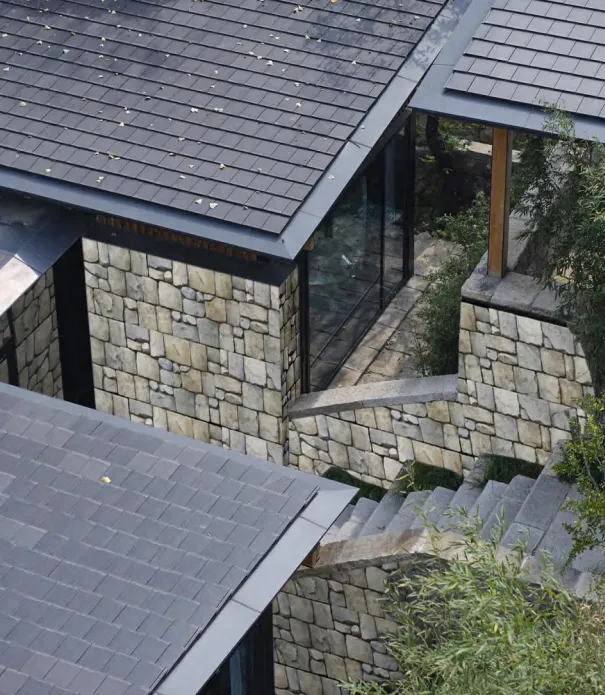
To truly understand the impact of PU stone wall panel solutions, let's look at a real-world example: a residential complex in Riyadh. The developer's goal was to create a community that was both luxurious and sustainable, with a focus on reducing energy use and minimizing environmental impact. Traditional stone cladding was initially considered for the exterior, but concerns about weight, cost, and sustainability led the team to explore alternatives. Enter the PU stone wall panel supplier.
The supplier proposed custom PU stone panels in a warm, earthy tone that complemented the surrounding desert landscape. The panels were lightweight enough to be installed without reinforcing the building's structure, cutting construction time by 20%. Their insulating properties helped reduce the building's cooling load by 15%, according to post-construction energy audits. Residents reported lower electricity bills, and the complex earned Estidama certification, boosting its market value. Five years later, the panels still look as good as new, with no signs of fading or damage from Riyadh's harsh weather. For the developer, it was proof that sustainability and aesthetics can go hand in hand—and that partnering with the right supplier makes all the difference.
While PU stone wall panels are a standout product, the most forward-thinking Saudi Arabia building materials suppliers recognize that sustainability is a holistic journey. Many offer a range of eco-friendly options beyond wall panels, from energy-efficient flooring solutions to low-VOC ceiling materials. This one-stop approach makes it easier for developers to source all their materials from a single, trusted partner, reducing the carbon footprint associated with multiple suppliers and streamlining the construction process.
For example, some suppliers also provide WPC (wood-plastic composite) wall panels, made from recycled wood and plastic, for interior spaces. Others offer bamboo charcoal board wall panels, which naturally purify indoor air by absorbing toxins—a feature that's particularly valuable in schools and hospitals. By integrating these products with PU stone wall panels, suppliers can create cohesive, sustainable building packages that address every aspect of a project's needs.
As Saudi Arabia continues to pursue its Vision 2030 goals, the demand for sustainable building materials will only grow. PU stone wall panels, with their blend of durability, aesthetics, and eco-friendliness, are poised to play a starring role in this future. But the industry won't stop there. Innovation is key: suppliers are already exploring ways to make PU panels even more sustainable, from using plant-based polyurethane to incorporating solar-reflective pigments that further reduce heat absorption.
For developers, architects, and contractors, the message is clear: choosing the right materials supplier is critical. It's not just about the product—it's about the partnership. A supplier that understands Saudi Arabia's unique challenges, from climate to cultural heritage, and is committed to sustainability will be an invaluable ally in building a greener, more resilient future.
Green building in Saudi Arabia isn't just a trend; it's a movement—one that's reshaping how we think about construction, community, and the planet. PU stone wall panels, offered by dedicated suppliers as part of comprehensive PU stone wall panel solutions, are more than just a building material. They're a statement: that we can build beautifully without sacrificing sustainability, that progress and preservation can go hand in hand, and that every wall we construct can be a step toward a better future.
As Saudi Arabia continues to grow and evolve, the buildings rising across its landscape will tell the story of its commitment to Vision 2030. With the right partners—suppliers who prioritize innovation, sustainability, and quality—those buildings will not only stand tall but stand as testaments to a nation building for people, planet, and progress. And that's a legacy worth constructing.
Recommend Products











