
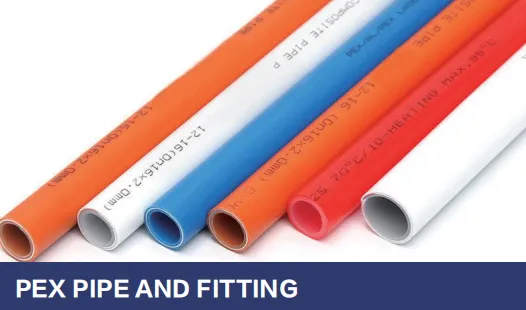
In an era where every construction decision carries an environmental footprint, green building has shifted from a trend to a responsibility. From energy-efficient appliances to eco-friendly insulation, every component plays a role in reducing a project's impact on the planet. Yet, one area that often flies under the radar—despite its critical importance—is plumbing. The pipes and fittings that carry water through our homes, offices, and public spaces can either hinder or amplify sustainability goals. Enter PEX (cross-linked polyethylene) pipes: a material that's quietly revolutionizing how we approach plumbing in green building projects. But to truly harness their potential, it starts with partnering with the right PEX pipe and fitting supplier —one that prioritizes both quality and sustainability. Let's dive into why PEX pipes are becoming the go-to choice for eco-conscious builders and how the right PEX pipe and fitting solutions can elevate your next green project.
Green building isn't just about solar panels or recycled flooring. It's a holistic approach to minimizing resource use, reducing waste, and creating spaces that are healthy for both people and the planet. Plumbing systems, which account for a significant portion of a building's water and energy consumption, are a cornerstone of this mission. Traditional plumbing materials—like copper or galvanized steel—come with hidden costs: high energy use during manufacturing, heavy carbon footprints from transportation, and a tendency to corrode over time, leading to leaks, water waste, and costly replacements.
Consider this: A single dripping faucet can waste up to 3,000 gallons of water per year. Now imagine a plumbing system prone to corrosion or poor fitting connections—those "small" leaks add up, undermining water conservation efforts. Meanwhile, energy is wasted heating water that never reaches its destination, or pumping water through rigid pipes that create friction and inefficiency. Sustainable plumbing materials don't just fix these problems; they prevent them, turning plumbing from a necessary expense into a tool for long-term environmental and financial savings.
When most people think of sustainable building materials, PEX pipes might not top the list. But this flexible, durable material is quietly becoming a favorite among green builders—and for good reason. Let's break down why PEX is more than just a pipe; it's a sustainable solution that aligns with the core principles of green building.
Unlike copper, which requires intense heat and mining (a process that emits significant CO2), PEX is made from polyethylene, a plastic derived from natural gas or petroleum. While no material is entirely without environmental impact, PEX production uses far less energy than copper—up to 70% less, according to industry studies. Plus, PEX pipes are lighter, which reduces transportation emissions: a truck can carry 30 times more PEX than copper pipes, cutting down on fuel use and carbon output during delivery.
Installation tells a similar story. PEX's flexibility means it bends easily around corners, eliminating the need for multiple elbows and joints. Fewer fittings translate to faster installs, less labor, and lower energy use on the job site. Unlike copper, which requires soldering (a process that uses propane torches and releases fumes), PEX connects with crimp or clamp fittings, making it safer and more energy-efficient to install.
Sustainability isn't just about what a product is made of—it's about how long it lasts. PEX pipes have a lifespan of 40–50 years, outperforming many traditional materials. Copper, for example, can corrode over time (especially in areas with hard water), leading to leaks and premature replacement. PVC, while durable, can become brittle in extreme temperatures, increasing the risk of cracks. PEX, on the other hand, resists corrosion, scale buildup, and freeze damage (it expands slightly when frozen, reducing the chance of bursting). This longevity means fewer replacements, less material waste, and a lower overall environmental footprint over the life of a building.
Green building prioritizes water efficiency, and PEX delivers here, too. Its smooth interior reduces water flow resistance, meaning hot water reaches fixtures faster—cutting down on the time we let taps run while waiting for heat. This not only saves water but also reduces energy use from water heaters. Additionally, PEX is 100% lead-free, unlike older copper pipes that may have lead solder. This makes it a safer choice for drinking water, aligning with green building's focus on occupant health.
At the end of its long life, PEX can be recycled into new plastic products, supporting a circular economy. While not all recycling facilities accept PEX yet, the material is theoretically recyclable, and industry efforts are growing to improve infrastructure for post-consumer PEX recycling. Compare this to copper, which is recyclable but often loses value when melted down, or galvanized steel, which is heavy and energy-intensive to recycle. PEX's recyclability adds another layer to its sustainability credentials.
Even the best material is only as good as the supplier behind it. A reliable PEX pipe and fitting supplier doesn't just sell products—they provide solutions that align with your green building goals. Here's what to look for when choosing a partner:
Not all PEX is created equal. A reputable supplier will offer PEX pipes and fittings that meet strict industry standards, such as NSF/ANSI 61 (for drinking water safety) and ASTM F876/F877 (for performance). They'll also prioritize sustainability in their own operations, from eco-friendly packaging to energy-efficient manufacturing processes. For example, some suppliers now offer PEX made with recycled materials or plant-based additives, further reducing environmental impact.
Green building projects vary widely—from residential homes to commercial offices, hospitals, and schools. A top supplier will offer a range of PEX pipe and fitting solutions tailored to these needs. For instance, PEX-A (the most flexible type) is ideal for residential projects where tight bends are common, while PEX-B (stiffer but more affordable) works well in commercial settings. Fittings matter, too: lead-free brass or polymer fittings ensure compatibility with PEX and maintain water safety. A supplier that can guide you to the right products for your project avoids overbuying, reducing waste and cost.
Sustainability claims are only meaningful if they're backed by evidence. Look for suppliers with third-party certifications, such as LEED (Leadership in Energy and Environmental Design) or Green Seal, which verify their commitment to eco-friendly practices. Transparency is key, too: a good supplier will share data on their products' carbon footprints, recyclability rates, and compliance with environmental regulations. This information isn't just for peace of mind—it can help your project qualify for green building certifications, which are increasingly important for clients and regulators.
Still on the fence about PEX? Let's compare it to other common plumbing materials to see how it stacks up in sustainability, cost, and performance.
| Material | Manufacturing Energy Use | Installation Efficiency | Lifespan | Recyclability | Best For |
|---|---|---|---|---|---|
| PEX | Low (70% less than copper) | High (flexible, fewer fittings) | 40–50 years | Recyclable (growing infrastructure) | Residential, commercial, green buildings |
| Copper | Very high (mining + smelting) | Low (rigid, requires soldering) | 50+ years | Recyclable (high energy cost) | Historic buildings, high-end projects |
| PVC | Moderate | Moderate (rigid, more joints) | 25–40 years | Limited (contamination risks) | Drainage, non-potable water |
| UPVC | Moderate | Moderate (similar to PVC) | 30–50 years | Limited (recycling challenges) | Pressure pipes, cold water lines |
As the table shows, PEX outperforms traditional materials in key sustainability areas, making it a clear choice for green building projects. Its lower energy use, faster installation, and long lifespan translate to reduced environmental impact and lower long-term costs—a win-win for builders and the planet.
PEX isn't just a theoretical sustainable choice—it's proving its worth in real green building projects. Let's explore how PEX pipe and fitting solutions are making a difference across different sectors:
For residential building materials suppliers and homeowners, PEX is a game-changer. Its flexibility reduces the need for wall demolition during installation, preserving existing structures and reducing waste. In net-zero energy homes, PEX's ability to efficiently transport hot water means smaller, more energy-efficient water heaters can be used, cutting both energy bills and carbon footprints. For example, a 2,000-square-foot home using PEX instead of copper can reduce installation labor by 30% and save up to 1,500 gallons of water annually from reduced flow resistance.
Commercial projects, such as offices, hospitals, and schools, have unique plumbing needs—high water demand, strict safety standards, and long lifespans. PEX meets these challenges head-on. In hospitals, where water quality is critical, PEX's lead-free, corrosion-resistant design ensures safe drinking water for patients and staff. In schools, its durability reduces maintenance costs, freeing up budget for educational resources. One university in California recently retrofitted its dormitories with PEX, reporting a 20% drop in water heating costs and fewer leaks compared to the old copper system.
Apartment complexes and condos require plumbing systems that can handle multiple units efficiently. PEX's ability to be installed in long, continuous runs reduces the number of joints, lowering the risk of leaks. Its lightweight nature also makes it easier to install in tight spaces, such as between floors or in walls, without adding extra structural support. A property developer in Texas used PEX in a 50-unit apartment building and saw a 25% reduction in plumbing installation time, allowing the project to finish ahead of schedule and under budget.
Despite its benefits, PEX still faces some misconceptions. Let's address the most common ones:
False. PEX is resistant to corrosion, scale, and chemical damage, and it can handle temperatures up to 200°F (93°C) and pressures up to 160 psi—more than enough for most residential and commercial applications. In fact, PEX has been used in Europe for over 50 years, with many systems still functioning perfectly. Modern PEX also includes oxygen barriers to prevent rust in closed-loop systems (like radiant heating), further enhancing durability.
This myth stems from early PEX formulations, but today's PEX is rigorously tested for safety. As mentioned earlier, reputable PEX meets NSF/ANSI 61 standards, which ensure no harmful chemicals leach into drinking water. In fact, PEX is often preferred over copper in areas with acidic water, as copper can corrode and release trace metals into the water supply.
Another outdated belief. PEX is specifically designed for both hot and cold water systems. PEX-A, in particular, has excellent temperature resistance, making it suitable for radiant floor heating systems, which are popular in green homes for their energy efficiency. When installed correctly with proper insulation, PEX maintains hot water temperatures effectively, reducing heat loss and energy use.
The green building movement is constantly evolving, and PEX is evolving with it. Here are some emerging trends in PEX pipe and fitting solutions that will shape the future of sustainable plumbing:
Suppliers are experimenting with PEX made from recycled polyethylene, reducing reliance on virgin materials. Some are even exploring bio-based polymers derived from plants like sugarcane, which could lower the carbon footprint of PEX production by up to 50%.
The rise of smart buildings is coming to plumbing. New PEX fittings with built-in sensors can detect leaks, monitor water pressure, and even adjust flow rates in real time. This "smart plumbing" reduces water waste and allows for predictive maintenance, further enhancing sustainability.
Combining PEX with other sustainable materials, such as cross-linked polyethylene-aluminum-PEX (PEX-AL-PEX) pipes, offers the best of both worlds: PEX's flexibility and aluminum's strength. These hybrid systems are ideal for high-pressure applications, such as commercial buildings, while still maintaining sustainability benefits.
Sustainable building isn't a choice anymore—it's a responsibility. Every material, every design decision, and every supplier partnership plays a role in creating a built environment that's healthy, efficient, and kind to the planet. PEX pipes and fittings may not be the most glamorous part of a green project, but they're one of the most impactful. From reducing energy use during manufacturing to cutting water waste in daily use, PEX delivers sustainability at every stage.
By choosing the right PEX pipe and fitting supplier —one that prioritizes quality, transparency, and innovation—you're not just installing plumbing. You're investing in a solution that will serve your project, your clients, and the planet for decades to come. So, the next time you're planning a green building project, remember: sustainable plumbing starts with PEX. It's time to let this unsung hero take center stage.
Recommend Products












