
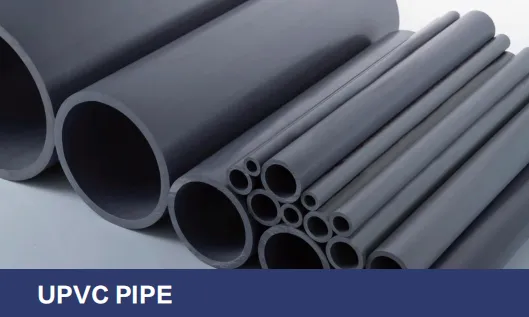
In an era where sustainability isn't just a buzzword but a critical imperative, the construction industry is undergoing a profound shift. Today, every brick laid, every beam installed, and every pipe fitted is scrutinized through the lens of environmental impact. At the heart of this transformation lie green building codes—guidelines designed to reduce energy consumption, minimize waste, and create healthier, more efficient spaces. For builders, architects, and developers, navigating these codes can feel like a complex puzzle. But what if there was a single solution that could address multiple compliance requirements while delivering long-term value? Enter UPVC pipe solutions. More than just a plumbing material, UPVC (unplasticized polyvinyl chloride) pipes have emerged as a cornerstone of sustainable construction, offering a blend of durability, efficiency, and eco-friendliness that aligns seamlessly with modern green building standards. In this article, we'll explore how UPVC pipe solutions—from residential drainage systems to commercial pressure piping—are helping projects around the world meet and exceed green building codes, and why partnering with a reliable upvc pipe supplier is key to unlocking these benefits.
Before diving into the specifics of UPVC, let's take a step back to understand why green building codes have become so vital. These codes—whether international standards like LEED (Leadership in Energy and Environmental Design) and BREEAM (Building Research Establishment Environmental Assessment Method), or regional frameworks such as Saudi Arabia's SASO (Saudi Arabian Standards Organization) regulations—are designed to address three core challenges: climate change, resource depletion, and public health. By setting benchmarks for energy use, water efficiency, material sustainability, and indoor air quality, they push the industry to move beyond "business as usual" and toward practices that protect both people and the planet.
For example, LEED requires projects to earn points in categories like "Materials and Resources" (encouraging recycled content and local sourcing) and "Water Efficiency" (promoting low-flow fixtures and leak prevention). Similarly, BREEAM emphasizes "Management" (sustainable procurement) and "Health and Wellbeing" (reducing toxic emissions). In regions like Saudi Arabia, where rapid urbanization meets extreme climate conditions, local codes often go further, mandating heat-resistant materials and water conservation measures to combat desertification and water scarcity. For builders, compliance isn't just about avoiding penalties—it's about accessing incentives, enhancing marketability, and future-proofing projects against evolving regulations.
So, what makes UPVC pipes stand out in the crowded landscape of building materials? Let's start with the basics. UPVC is a rigid, chemically resistant plastic derived from vinyl chloride monomers. Unlike its cousin PVC (polyvinyl chloride), which often contains plasticizers for flexibility, UPVC is unplasticized, making it stiffer, stronger, and more durable. But its real appeal lies in its sustainability profile. From production to installation to end-of-life, UPVC pipe solutions are engineered to minimize environmental impact while maximizing performance.
Consider manufacturing: UPVC requires significantly less energy to produce than traditional materials like copper or galvanized steel. For instance, producing one meter of UPVC pipe emits approximately 1.2 kg of CO2, compared to 3.5 kg for copper and 2.8 kg for steel—numbers that add up quickly on large projects. Additionally, modern upvc pipe suppliers prioritize recycled content, with many products containing up to 20% post-consumer recycled plastic, reducing reliance on virgin materials. And because UPVC pipes are lightweight, transporting them consumes less fuel, further lowering their carbon footprint.
But sustainability isn't just about production. UPVC's longevity is another key factor. With a lifespan of 50+ years—far exceeding the 20-30 year average of galvanized steel—UPVC pipes reduce the need for frequent replacements, cutting down on material waste and construction disruptions. This durability is especially valuable in green building codes, which often reward long-lasting materials that minimize lifecycle environmental impact.
To truly appreciate UPVC's role in compliance, let's break down how it meets specific green building code requirements across critical categories:
Green codes like LEED and BREEAM place a premium on materials that are recycled, recyclable, or locally sourced. UPVC excels here. Most UPVC pipes are 100% recyclable at the end of their lifecycle, with many upvc pipe suppliers offering take-back programs to ensure materials are repurposed rather than landfilled. Additionally, UPVC's lightweight nature reduces transportation costs and emissions, making it easier to source locally—an advantage for projects aiming to earn LEED points for "Regional Materials."
Take, for example, pvc dwv pipe solutions (drain, waste, and vent pipes), which are essential for residential and commercial plumbing systems. These pipes, often used to carry wastewater and sewage, are typically made from UPVC due to its corrosion resistance and smooth interior, which prevents clogs. By choosing pvc dwv pipe solutions from a supplier that prioritizes recycled content, builders can align with codes that require a minimum percentage of recycled materials in construction components.
Water scarcity is a global crisis, and green building codes reflect this urgency by mandating systems that minimize waste. Here, UPVC's leak-proof design is a game-changer. Traditional metal pipes are prone to corrosion, rust, and joint failures over time, leading to hidden leaks that can waste thousands of gallons of water annually. UPVC pipes, however, use solvent cement or rubber-ringed joints that create a permanent, watertight seal. In fact, studies show that UPVC plumbing systems have a leakage rate of less than 0.5%, compared to 5-10% for older metal systems.
This isn't just good for the environment—it's good for building owners, too. In regions like Saudi Arabia, where water costs are high, a single leak in a commercial building can add hundreds of dollars to monthly bills. By installing UPVC pipe solutions, projects can meet codes like the Saudi Water Efficiency Standard (SWES), which requires plumbing systems to have leak detection and prevention measures, while also reducing long-term operational costs.
Energy use in buildings accounts for nearly 40% of global carbon emissions, making energy efficiency a top priority for green codes. UPVC contributes here in two key ways: thermal insulation and reduced pumping energy. Unlike metal, which conducts heat, UPVC has natural insulating properties that help maintain water temperature. In hot water systems, this means less energy is needed to keep water warm as it travels from the heater to the tap. For cold water systems in warm climates like Saudi Arabia, it prevents condensation (which can lead to mold growth and structural damage), reducing the need for additional insulation.
Additionally, UPVC's smooth interior minimizes friction, allowing water to flow more freely than in corrugated or rough metal pipes. This reduces the workload on pumps, lowering energy consumption. For large commercial projects—think hospitals, schools, or shopping malls—these efficiency gains can translate to significant reductions in HVAC and plumbing energy use, helping meet LEED's "Energy and Atmosphere" credits.
Green building codes aren't just about the planet—they're about people, too. Poor indoor air quality (IAQ) can cause headaches, allergies, and long-term health issues, which is why standards like LEED's "Indoor Environmental Quality" category strictly regulate volatile organic compounds (VOCs) and toxic materials. UPVC pipe solutions are inherently low-emission, as they contain no lead, phthalates, or other harmful additives. Unlike some plastics that off-gas chemicals over time, UPVC is stable, releasing negligible VOCs even in high-temperature environments.
This is particularly critical in sensitive spaces like hospitals and schools—settings where codes often have the strictest IAQ requirements. For example, LEED for Healthcare mandates materials that "do not emit contaminants that could adversely affect patient health." By choosing UPVC pipes, builders can ensure that plumbing systems don't contribute to poor air quality, protecting vulnerable populations while earning valuable certification points.
A material's lifecycle is a key metric in green building codes, as frequent replacements drive up waste and carbon emissions. UPVC's resistance to corrosion, chemicals, and UV radiation makes it one of the most durable plumbing materials on the market. Unlike copper, which can corrode in acidic water, or steel, which rusts, UPVC maintains its integrity even in harsh environments—from saltwater coastal areas to industrial facilities with chemical-laden wastewater. This longevity means fewer repairs, less material waste, and lower lifecycle costs, all of which align with codes that reward "resilience" and "adaptability."
To better understand UPVC's advantages, let's compare it to three common alternatives: copper, galvanized steel, and cast iron. The table below highlights key factors relevant to green building code compliance:
| Factor | UPVC Pipe Solutions | Copper | Galvanized Steel | Cast Iron |
|---|---|---|---|---|
| Production Energy Use | Low (1.2 kg CO2/m) | High (3.5 kg CO2/m) | High (2.8 kg CO2/m) | Very High (4.1 kg CO2/m) |
| Recyclability | 100% recyclable | Recyclable (high energy for reprocessing) | Recyclable (prone to rust, reducing value) | Recyclable (heavy, high transport emissions) |
| Lifespan | 50+ years | 20-30 years (corrosion-prone) | 15-25 years (rusts over time) | 30-40 years (heavy, brittle) |
| Water Leakage Rate | <0.5% | 2-3% (joints degrade over time) | 3-5% (prone to pinhole leaks) | 4-6% (gaskets wear out) |
| Indoor Air Quality Impact | Low (no VOCs or lead) | Low (but soldering emits fumes during installation) | Medium (rust particles can contaminate water) | Medium (prone to mold in humid environments) |
The data speaks for itself: UPVC outperforms traditional materials in nearly every category relevant to green building codes. Its low production energy, high recyclability, long lifespan, and minimal leakage make it a clear choice for projects aiming to comply with sustainability standards.
To see how UPVC pipe solutions translate to real-world compliance, let's look at two recent projects:
A 30-story office tower in Riyadh aimed to achieve LEED Gold certification, requiring strict adherence to water and energy efficiency standards. The project's plumbing contractor partnered with a local upvc pipe supplier to install UPVC pressure piping (using pvc-u sch40 pressure piping system solutions) for potable water and pvc dwv pipe solutions for drainage. The result? The leak-proof UPVC joints reduced water waste by 15% compared to the steel pipes originally specified, helping the project earn LEED points for "Water Efficiency." Additionally, the lightweight UPVC pipes cut installation time by 20%, reducing labor costs and construction emissions. Today, the building's operational water and energy bills are 25% lower than comparable towers, demonstrating UPVC's long-term value.
A 500-unit residential complex in Jeddah needed to comply with Saudi Arabia's SASO 2870 standard for sustainable buildings, which mandates recycled content and low maintenance materials. The developer chose upvc pipe solutions for all plumbing systems, including UPVC drain pipes and PPR (polypropylene random copolymer) hot water pipes (supplied by the same upvc pipe supplier for consistency). By using UPVC with 18% recycled content, the project met SASO's recycled material requirements, while the pipes' 50-year lifespan ensured minimal maintenance for low-income residents. Post-occupancy surveys showed that residents reported no plumbing issues in the first five years, and the complex's water consumption was 30% below the national average—proof that sustainability and affordability can go hand in hand with UPVC.
Of course, not all UPVC pipe solutions are created equal. To ensure compliance with green building codes, it's critical to partner with a reputable upvc pipe supplier. Here are a few factors to keep in mind:
Certifications: Look for suppliers whose products meet international standards like ISO 9001 (quality management) and ISO 14001 (environmental management). For regional compliance, check if they adhere to local codes—e.g., SASO in Saudi Arabia or ASTM in the U.S.
Sustainable Practices: Ask about their recycling programs, use of recycled content, and energy-efficient manufacturing processes. A supplier committed to sustainability will be transparent about these details.
Technical Support: Green building codes can be complex. Choose a supplier that offers technical assistance, helping you select the right products (e.g., pvc dwv pipe solutions for drainage, pressure piping for water supply) and providing documentation to verify compliance for certification.
Local Availability: Sourcing locally reduces transportation emissions and supports regional economies. Many upvc pipe suppliers have distribution networks in key markets like Saudi Arabia, making it easy to access materials quickly and sustainably.
As green building codes grow stricter—with new requirements for carbon neutrality, circular economy practices, and climate resilience—UPVC pipe solutions are poised to play an even bigger role. Innovations like bio-based UPVC (using plant-derived monomers) and enhanced recycled content are already in development, promising to further reduce environmental impact. Additionally, smart UPVC systems with integrated leak detection sensors are emerging, allowing real-time monitoring of water use and further aligning with codes that reward "smart building" technologies.
For builders and developers, the message is clear: sustainability isn't a trend—it's the future of construction. By choosing UPVC pipe solutions, you're not just complying with codes; you're investing in a material that delivers on the promise of green building: efficiency, durability, and responsibility. And with the right upvc pipe supplier by your side, the path to compliance becomes not just manageable, but genuinely rewarding.
Green building codes are reshaping the construction industry, demanding materials that do more with less—less energy, less water, less waste. In this context, UPVC pipe solutions stand out as a versatile, sustainable, and cost-effective choice. From their low-carbon production to their leak-proof design, from their recyclability to their long lifespan, UPVC pipes address the core requirements of codes like LEED, BREEAM, and SASO, making compliance achievable without sacrificing performance.
Whether you're building a commercial tower in Riyadh, a residential complex in Jeddah, or a hospital in Dubai, partnering with a trusted upvc pipe supplier and leveraging solutions like pvc dwv pipe systems can help you meet your sustainability goals while creating spaces that are healthier, more efficient, and better for the planet. In the end, green building isn't just about following rules—it's about building a future we can all be proud of. And with UPVC pipe solutions, that future is already within reach.
Recommend Products












