
In a world where every construction decision echoes far beyond the building's walls, the shift toward sustainability isn't just a trend—it's a responsibility. For architects, contractors, and homeowners alike, green building certifications like LEED have become the gold standard for proving a project's commitment to the planet. But what does it take to earn that certification? And how do the materials you choose—down to the pipes and panels—play a pivotal role? Today, we're diving into one unsung hero of sustainable construction: PVC DWV pipes. We'll explore how these humble components, when sourced from a trusted pvc dwv pipe supplier , can help your project not only meet but exceed LEED requirements. Plus, we'll touch on other innovative solutions, like fireproof inorganic boards and whole-house customization, that round out a truly eco-conscious build.
Let's start with the basics: What is a green building certification, and why should you care? At its core, these certifications are third-party validations that a building is designed, built, and operated with sustainability in mind. They consider factors like energy efficiency, water conservation, indoor air quality, and the use of recycled or low-impact materials. For property owners, this translates to lower utility bills, higher resale values, and a smaller carbon footprint. For tenants and occupants, it means healthier, more comfortable spaces to live and work in.
Among the many certification programs out there—BREEAM, WELL, Living Building Challenge—LEED (Leadership in Energy and Environmental Design) stands out as the most widely recognized. Developed by the U.S. Green Building Council (USGBC), LEED awards points across several categories, with projects earning Certified, Silver, Gold, or Platinum status based on their total score. The categories include Sustainable Sites, Water Efficiency, Energy and Atmosphere, Materials and Resources, Indoor Environmental Quality, Innovation in Design, and Regional Priority. For anyone in construction, nailing the "Materials and Resources" category is often a make-or-break moment—and that's where choosing the right pvc dwv pipe solutions comes into play.
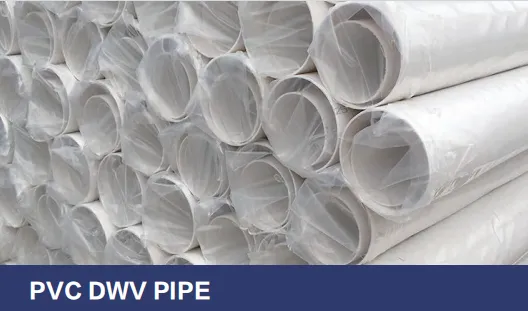
When you think of plumbing, "sustainability" might not be the first word that comes to mind. But modern PVC DWV (Drain, Waste, Vent) pipes are rewriting that narrative. Let's break down why these pipes are becoming a go-to choice for LEED-focused projects—and why partnering with a reputable pvc dwv pipe supplier matters.
First, let's talk about longevity. Traditional plumbing materials like cast iron or galvanized steel are prone to corrosion, rust, and clogs over time. That means more frequent replacements, which drives up material waste and labor costs. PVC DWV pipes, on the other hand, are built to last. With a lifespan of 50+ years, they resist corrosion, chemical damage, and root intrusion—so you won't be tearing out walls to replace a rusted pipe a decade down the line. Fewer replacements mean less waste in landfills and fewer resources spent on manufacturing new materials. For LEED, this aligns with MR Credit 1: Building Life-Cycle Impact Reduction, which rewards strategies that extend a building's useful life.
Ever tried lifting a cast iron pipe? It's not easy. The weight of traditional materials adds up during transportation and installation, increasing fuel consumption and labor hours. PVC DWV pipes are significantly lighter—up to 70% lighter than cast iron—making them easier to transport, handle, and install. This reduces the carbon footprint of the construction process itself. Plus, their smooth inner surface minimizes friction, allowing for better water flow and reducing the need for oversized pipes. Less material, less energy used in transport, and faster installation? That's a win-win for both your project timeline and LEED's Energy and Atmosphere credits.
Today's leading pvc dwv pipe solutions aren't just durable—they're also designed with recycled materials in mind. Many manufacturers incorporate post-consumer recycled (PCR) content into their pipes, reducing the demand for virgin plastic. For example, our own PVC DWV pipes contain up to 25% recycled material, helping projects earn points under LEED MR Credit 4: Recycled Content. But what about off-gassing? A common myth is that PVC releases harmful chemicals, but modern production processes have come a long way. Reputable suppliers ensure their pipes are free from lead, phthalates, and other toxic additives, meeting strict indoor air quality standards. This is critical for LEED EQ Credit 4: Low-Emitting Materials, which focuses on reducing volatile organic compounds (VOCs) in building materials.
To truly understand the impact of PVC DWV pipes on LEED certification, let's map their benefits to specific LEED credits. The table below breaks down key categories and how a quality pvc dwv pipe supplier can help you score points:
| LEED Credit Category | Specific Credit | How PVC DWV Pipe Solutions Contribute | Potential Points Earned |
|---|---|---|---|
| Materials and Resources (MR) | MR Credit 4: Recycled Content | Pipes with 20-25% post-consumer recycled content qualify for this credit, reducing reliance on virgin materials. | 1-2 points |
| Materials and Resources (MR) | MR Credit 5: Regional Materials | Suppliers with local manufacturing facilities (e.g., within 500 miles of the project site) reduce transportation emissions. | 1-2 points |
| Energy and Atmosphere (EA) | EA Credit 1: Optimize Energy Performance | Lightweight pipes reduce transportation energy use; smooth interior reduces pump energy needs for water flow. | Up to 10 points |
| Indoor Environmental Quality (EQ) | EQ Credit 4: Low-Emitting Materials | PVC DWV pipes with zero VOCs and no toxic additives meet strict emissions standards, improving indoor air quality. | 1-2 points |
| Innovation in Design (ID) | ID Credit 1: Innovation | Using PVC DWV pipes in conjunction with other sustainable systems (e.g., rainwater harvesting) can qualify for innovation points. | 1-5 points |
As you can see, the right PVC DWV pipes don't just contribute to one or two credits—they can be a cornerstone of your LEED strategy. But they're not the only player in the game. Let's explore how other materials from your supplier can complement your sustainability goals.
Earlier this year, we partnered with a leading construction firm in Saudi Arabia to build a new K-12 school campus aiming for LEED Gold certification. The project had ambitious goals: reduce water usage by 30%, cut energy consumption by 25%, and ensure 100% of interior materials met low-VOC standards. Let's walk through how our solutions helped them achieve these targets.
First, the plumbing system. The school's engineers needed a durable, low-maintenance solution for drain lines that could handle high traffic and frequent use. We recommended our pvc dwv pipe solutions , citing their 50-year lifespan and 25% recycled content. By choosing PVC over cast iron, the team saved 15% on material costs and reduced installation time by 20%—critical for staying on schedule. The recycled content helped them earn 2 points under MR Credit 4, while the lightweight design cut transportation emissions, contributing to EA Credit 1.
But the school's sustainability goals didn't stop at plumbing. They also needed wall panels for classrooms and labs that were fire-resistant, easy to clean, and low-emitting. Enter our class a fireproof cpl inorganic board for hospital and school solutions . These boards are engineered to meet Class A fire ratings (the highest possible), making them ideal for educational settings where safety is paramount. They're also non-porous, resisting mold and mildew, and contain zero formaldehyde—perfect for maintaining indoor air quality. By integrating these boards with our PVC DWV pipes, the project scored additional points under EQ Credit 4 (Low-Emitting Materials) and EQ Credit 2 (Indoor Air Quality Assessment).
The result? The school earned LEED Gold certification, with the plumbing and wall systems contributing 8 of the total 60 points needed. Today, the campus uses 28% less energy than comparable schools, and parents report peace of mind knowing their children are learning in a space that's both safe and sustainable. It's a testament to how even the smallest material choices can add up to big change.
While PVC DWV pipes and fireproof boards are stars in their own right, true sustainability often lies in the bigger picture. That's where whole-house customization solutions come into play. Imagine working with a single supplier who can provide not just your pipes and wall panels, but also flooring, ceiling systems, and even fixtures—all designed to work together to maximize LEED points. No more juggling multiple vendors or worrying about conflicting sustainability claims. It's about creating a cohesive, eco-friendly ecosystem for your building.
For example, our whole-house approach includes coordinating material selection across systems. If you're using our PVC DWV pipes for plumbing, we might recommend bamboo charcoal board wall panels for interiors—renowned for their natural odor-absorbing properties and low VOC emissions. Or, for flooring, terrazzo tiles made from recycled glass and stone, which contribute to MR Credit 4. By aligning these choices, you're not just checking boxes for LEED—you're creating a space that's healthier, more efficient, and uniquely tailored to your project's needs.
Another advantage? Streamlined documentation. LEED certification requires mountains of paperwork, from material safety data sheets (MSDS) to recycled content reports. A supplier who offers whole-house customization solutions can provide consolidated documentation, making the certification process smoother and less stressful. When every material comes with pre-verified LEED contributions, you can focus on designing a great building—not chasing down spreadsheets.
Not all pvc dwv pipe supplier options are created equal. To ensure your project truly benefits from sustainable materials, here are a few key questions to ask before signing on:
At the end of the day, the best supplier is more than a vendor—they're a partner in your sustainability journey. They should understand your LEED goals, offer technical support, and be willing to tailor solutions to your project's unique needs.
As LEED continues to evolve—with the upcoming LEED v5 focusing even more on carbon reduction and circularity—the role of materials like PVC DWV pipes will only grow. Their durability, recycled content, and energy efficiency make them a natural fit for the next generation of sustainable buildings. And as manufacturers innovate, we can expect even more advancements: pipes with higher recycled content, bio-based additives, and smarter designs that integrate with IoT systems for real-time leak detection.
But sustainability isn't just about the materials—it's about the mindset. Every time you choose a pvc dwv pipe solution over a less eco-friendly alternative, you're casting a vote for a greener future. You're showing that construction can be both profitable and planet-friendly. And you're creating spaces that don't just serve their purpose today, but leave a positive legacy for tomorrow.
Green building certifications like LEED aren't just badges to display on a lobby wall—they're proof that your project is part of a global movement toward sustainability. And while the path to certification can seem daunting, it's the small choices that make the biggest difference. From the pipes hidden in your walls to the boards lining your classrooms, every material tells a story about your commitment to the planet.
As a leading pvc dwv pipe supplier and provider of class a fireproof cpl inorganic board for hospital and school solutions , we've seen firsthand how these materials can transform a project from "good" to "LEED Gold." We've walked alongside architects and contractors as they navigate the certification process, celebrated with them when they earn those points, and watched as their buildings become beacons of sustainability in their communities.
So, whether you're building a school, a hospital, or a home, remember: the materials you choose today will shape the world tomorrow. Choose wisely. Choose sustainably. And when you're ready to start, we're here to help you every step of the way.
Recommend Products












