
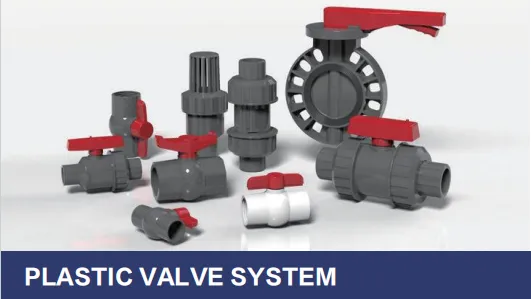
When a developer sets out to build a space that's not just functional but also kind to the planet, every choice—from the foundation to the fixtures—matters. Today, green building certifications like LEED and BREEAM aren't just badges of honor; they're essential for meeting market demands, reducing operational costs, and creating healthier environments. But here's the thing: achieving these certifications isn't just about big-picture goals like solar panels or rainwater harvesting. It often comes down to the smaller, unsung heroes of construction—like the plastic valve systems that keep water flowing, prevent leaks, and ensure long-term sustainability. In this article, we'll dive into why plastic valve systems are critical for LEED and BREEAM compliance, what makes a system "certification-ready," and how partnering with the right plastic valve system supplier can turn compliance from a headache into a competitive advantage.
Before we get into valves, let's make sure we're on the same page about the certifications themselves. LEED and BREEAM are the two most recognized green building rating systems globally, but they each have unique focuses and criteria. Let's break them down simply.
Developed by the U.S. Green Building Council (USGBC) in 1998, LEED has become the go-to certification for sustainable buildings in North America and beyond. It evaluates projects across six categories: Energy and Atmosphere, Materials and Resources, Indoor Environmental Quality, Water Efficiency, Sustainable Sites, and Innovation in Design. Buildings earn points in each category, with ratings ranging from Certified (40–49 points) to Platinum (80+ points).
For our focus—plastic valve systems—key LEED categories include Water Efficiency (WE) (credits for reducing water use through efficient fixtures and leak prevention) and Materials and Resources (MR) (credits for using sustainable, recycled, or locally sourced materials).
BREEAM, launched in the UK in 1990 by the Building Research Establishment (BRE), is one of the oldest and most widely used green building certification systems worldwide. It assesses buildings on nine categories: Management, Health and Wellbeing, Energy, Transport, Water, Materials, Waste, Land Use and Ecology, and Pollution. Ratings go from Pass (30–44%) to Outstanding (85%+).
Relevant to plastic valves are Water (Wat) (credits for reducing water consumption and leakage) and Materials (Mat) (credits for responsible sourcing, durability, and recyclability of materials).
| Criteria | LEED Focus | BREEAM Focus |
|---|---|---|
| Material Sustainability | MR Credits: Recycled content, locally sourced materials, low-VOC emissions | Mat 01: Responsible sourcing (e.g., FSC, PEFC certifications); Mat 03: Durability and lifespan |
| Water Efficiency | WE Credits: Water use reduction (e.g., WE 3: 20%+ reduction from baseline) | Wat 01: Water consumption reduction; Wat 02: Leakage prevention and detection |
| Health & Safety | EQ Credits: Low-emitting materials (no lead, phthalates) | Hea 01: Fire safety; Hea 02: Indoor air quality (low emissions) |
| End-of-Life | MR 5: Construction waste management (recyclability) | Mat 06: Waste minimization (recyclable or reusable materials) |
At first glance, valves might seem like a minor detail in the grand scheme of a building. But when you consider that leaky valves can waste thousands of gallons of water annually, or that low-quality materials can off-gas harmful chemicals, their impact on certification becomes clear. Here's why plastic valve systems, in particular, are a smart choice for developers aiming for LEED or BREEAM:
Both LEED and BREEAM reward projects that minimize water waste. Plastic valves, when designed well, offer superior leak resistance compared to older metal alternatives. Their precision-engineered seals and corrosion-resistant properties mean fewer drips, bursts, or failures over time. For example, a commercial building with 100 plastic valves (instead of outdated metal ones) could reduce water loss by 15–20% annually—directly contributing to LEED WE 3 or BREEAM Wat 01 credits.
Modern plastic valve systems are often made from UPVC, PPR, or CPVC—materials that can incorporate recycled content without sacrificing performance. A forward-thinking plastic valve system supplier will prioritize recycled resin in their manufacturing, helping projects earn LEED MR 4 (Recycled Content) or BREEAM Mat 01 (Responsible Sourcing) credits. Additionally, plastic valves are lightweight, reducing transportation emissions—a bonus for LEED MR 6 (Local Materials) if sourced regionally.
LEED's Indoor Environmental Quality (EQ) credits and BREEAM's Health and Wellbeing (Hea) category both emphasize low-emitting materials. Unlike some metal valves that may leach lead or copper, high-quality plastic valves (compliant with standards like ASTM D2846 for CPVC) are free from harmful additives. This ensures better indoor air quality, which is especially critical for sensitive spaces like hospitals or schools—think of the class a fireproof cpl inorganic board for hospital and school supplier that prioritizes non-toxic materials, paired with equally safe valves.
Not all plastic valve systems are created equal. To truly support certification, a plastic valve system supplier must offer solutions built with compliance in mind. Here are the features that set standout systems apart:
Gone are the days when "plastic" meant flimsy or short-lived. Today's compliant solutions use advanced formulations:
-
UPVC (Unplasticized Polyvinyl Chloride):
Ideal for cold water systems, UPVC is rigid, corrosion-resistant, and cost-effective. An upvc pipe supplier might pair UPVC pipes with matching valves for a seamless, leak-proof system.
-
PPR (Polypropylene Random Copolymer):
Heat-resistant and flexible, PPR is perfect for hot water lines. A ppr pipe and fitting supplier will highlight PPR's ability to withstand temperatures up to 95°C, making it a staple in residential and commercial projects aiming for energy efficiency.
-
CPVC (Chlorinated Polyvinyl Chloride):
Designed for high-pressure, high-temperature applications (like industrial or healthcare facilities), CPVC meets strict fire safety standards—aligning with BREEAM Hea 01 and LEED EQ credits.
Certification bodies reward longevity. A compliant plastic valve system solution will include features like:
-
Double O-ring Seals:
Prevents leaks even under fluctuating pressure.
-
Reinforced Threads:
Ensures secure connections with pipes, reducing the risk of blowouts.
-
Pressure Ratings:
Valves rated for 16 bar or higher (for high-pressure systems) ensure they can handle the demands of large buildings without failure.
A trustworthy plastic valve system supplier will provide documentation to back up their claims. Look for:
-
ISO 9001:
Quality management certification.
-
ASTM/DIN/BS Standards:
Compliance with global benchmarks (e.g., DIN standard PN10 for PVC fittings).
-
EPD (Environmental Product Declaration):
A transparent report of the product's environmental impact, which can streamline LEED or BREEAM documentation.
Sustainability doesn't end when the building is occupied. The best plastic valve system solutions are designed for recyclability. Suppliers may offer take-back programs for old valves, or use materials that can be ground down and repurposed—supporting LEED MR 5 (Construction Waste Management) and BREEAM Mat 06 (Waste Minimization).
Real-world projects show just how impactful the right plastic valve system solutions can be. Let's look at two examples where these systems played a starring role in certification:
The Al-Mawrid Medical Complex in Riyadh, Saudi Arabia, set out to redefine healthcare sustainability. With a goal of BREEAM Excellent, the project prioritized patient safety, energy efficiency, and water conservation. Alongside fire-safe materials (sourced from a class a fireproof cpl inorganic board for hospital and school supplier) for walls and ceilings, the plumbing team turned to a leading plastic valve system supplier for their expertise.
The supplier recommended a combination of UPVC valves (for cold water lines) and CPVC valves (for hot water and medical gas systems), paired with UPVC pipes from a trusted upvc pipe supplier. Key benefits included:
-
Leak Prevention:
The valves' precision-machined seals reduced water loss by 22% compared to the hospital's previous metal system, contributing to BREEAM Wat 01 (Water Consumption Reduction).
-
Low Maintenance:
Plastic's resistance to corrosion meant fewer valve replacements, cutting down on construction waste and earning points for BREEAM Mat 03 (Durability).
-
Non-Toxic Materials:
Lead-free valves aligned with BREEAM Hea 02 (Indoor Air Quality), ensuring a safe environment for patients with compromised immune systems.
Result: The complex scored 77% in BREEAM assessment, securing "Excellent" status—the first hospital in Saudi Arabia to achieve this.
The SkyVista Residences, a 42-story tower in Singapore, aimed for LEED Platinum by focusing on energy efficiency, water conservation, and sustainable materials. The developer partnered with a ppr pipe and fitting supplier and a plastic valve system supplier to design a plumbing network that could handle 500+ units while minimizing environmental impact.
The solution centered on PPR pipes and valves for hot water systems, chosen for their heat retention (reducing energy use for water heating) and flexibility (easing installation in tight spaces). The plastic valves featured:
-
Thermal Expansion Resistance:
Prevented leaks during temperature fluctuations, critical for Singapore's tropical climate.
-
Recycled Content:
15% of the valve resin was recycled, helping the project earn LEED MR 4 (Recycled Content).
-
Water Efficiency:
Low-flow valve designs reduced fixture water use by 25%, contributing to LEED WE 3 (Water Use Reduction).
Result: SkyVista earned 88 LEED points, achieving Platinum certification and setting a new standard for luxury sustainable living in Asia.
Navigating green building certifications is complex—your supplier should be a partner, not just a vendor. Here's how to find a plastic valve system supplier that adds value to your certification journey:
Ask for references from LEED or BREEAM-certified projects. A supplier with a track record in sustainability will understand the nuances of certification requirements and can guide you toward the right plastic valve system solutions. For example, they might suggest PPR valves over UPVC if your project needs to meet higher temperature standards for LEED Energy and Atmosphere credits.
Certification bodies demand proof. Your supplier should provide:
- Test reports (e.g., pressure testing, chemical resistance).
- Environmental Product Declarations (EPDs) for life cycle assessment.
- Compliance certificates (ASTM, DIN, ISO) for materials and manufacturing.
From design to installation, a great supplier offers more than products. Look for services like:
- Technical (e.g., helping size valves for optimal water pressure).
- On-site training for installers to ensure proper fitting (critical for leak prevention).
- After-sales support, including warranty coverage and replacement parts.
While plastic valve systems are a boon for certification, challenges remain. Here's how the industry is adapting:
Some developers still associate plastic with "cheap" or "disposable." To counter this, suppliers are investing in education—sharing data on plastic's lifespan (up to 50 years for UPVC) and long-term cost savings compared to metal. Case studies like the Riyadh Hospital project help build trust in plastic's durability.
LEED and BREEAM have regional variations (e.g., LEED India, BREEAM UK vs. BREEAM Middle East). A global plastic valve system supplier will tailor solutions to local requirements—for example, adjusting pressure ratings for high-rise buildings in dense cities or ensuring compliance with Saudi Arabia's strict fire safety codes.
The future of compliant systems is digital. Emerging "smart" plastic valves integrate IoT sensors to detect leaks in real time, sending alerts to facility managers before small drips become major water losses. This not only supports LEED/BREEAM water credits but also reduces operational costs—making sustainability and efficiency go hand in hand.
Suppliers are exploring bio-based plastics (made from renewable resources like sugarcane) and circular business models, where old valves are recycled into new ones. This aligns with LEED's and BREEAM's growing focus on circular economy principles, ensuring compliance remains relevant in a net-zero future.
Green building certifications like LEED and BREEAM aren't just about meeting standards—they're about creating spaces that are healthier, more efficient, and more resilient for generations to come. Plastic valve systems, often overlooked, play a quiet but critical role in this mission. By choosing the right plastic valve system supplier—one that prioritizes innovation, sustainability, and compliance—developers can turn certification goals into reality.
Whether you're building a hospital in Riyadh, a residential tower in Singapore, or a school in London, the right plastic valve system solutions will do more than check boxes. They'll help you build a project that's not just certified, but truly sustainable. And in a world where every drop of water and every kilowatt of energy counts, that's a legacy worth building.
Recommend Products












