
Poolside spaces are more than just functional areas—they're extensions of our homes, where we unwind after a long day, host summer barbecues, or watch the kids splash in the water. The material you choose for your pool deck, coping, or surrounding patio can make or break this experience. It needs to withstand sun, water, and foot traffic, all while looking beautiful and feeling comfortable underfoot. Among the top contenders for poolside materials, two natural stones stand out: granite and travertine. Both have loyal fans, but they bring very different qualities to the table. Let's dive into what makes each unique, their pros and cons for poolside use, and how to decide which one is right for your space.
Granite is a rock that's been admired for centuries, gracing everything from ancient temples to modern skyscrapers. Formed deep within the Earth's crust, it's an igneous rock created when magma cools and solidifies slowly, allowing large mineral crystals to form. This slow cooling process gives granite its distinctive speckled appearance, with minerals like quartz (which adds hardness), feldspar (which contributes color), and mica (which adds sparkle) interlocking tightly. The result? A material that's dense, tough, and inherently resistant to wear and tear.
Today, granite remains a go-to choice for high-traffic areas, and when it comes to poolside solutions, its reputation for durability precedes it. But to truly understand if it's right for your pool deck, we need to look beyond its strength and into how it performs in the unique conditions of a pool environment—wet surfaces, constant sun, and exposure to chemicals like chlorine.
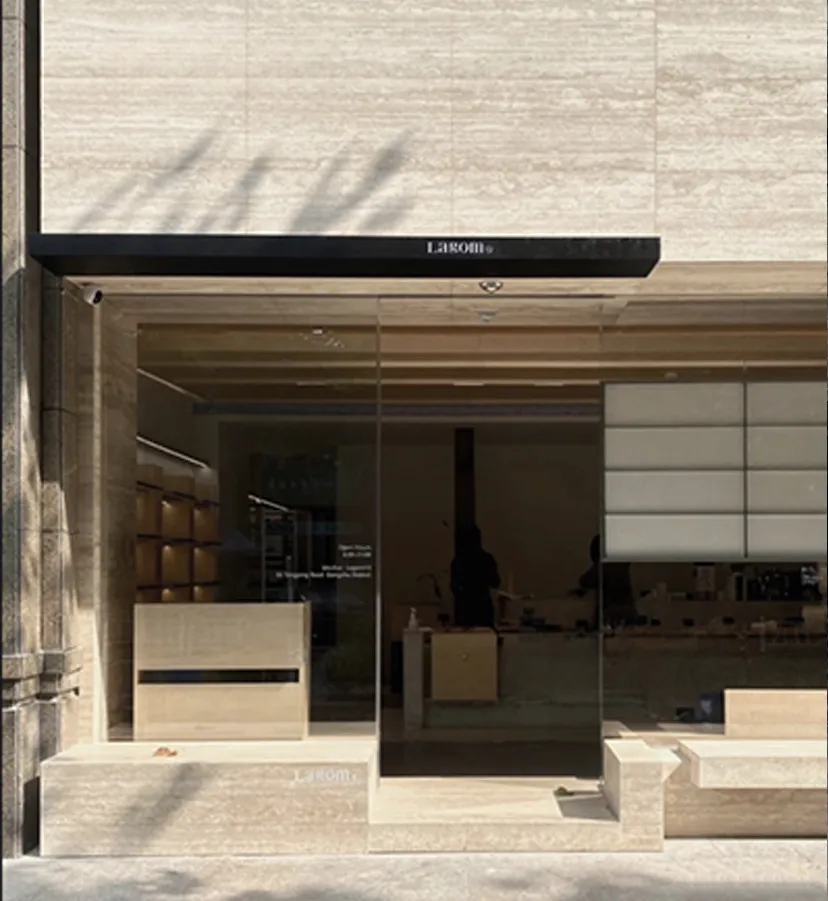
Travertine, on the other hand, has a softer, more organic story. A member of the limestone family, it's a sedimentary rock formed in hot springs and limestone caves, where mineral-rich water cools and releases calcium carbonate. This process creates layers of porous, textured stone with unique patterns—think honeycomb-like holes, subtle veining, and earthy tones ranging from creamy whites to warm beiges and rusty golds. Unlike granite, travertine is relatively soft and porous, which gives it a distinct feel underfoot and a rustic charm that many homeowners find irresistible.
Historically, travertine has been used in iconic structures like the Colosseum in Rome, a testament to its longevity when properly cared for. But in poolside settings, its porosity and softness raise questions: Does it hold up to water? Is it safe when wet? And how much maintenance does it really require?
| Feature | Granite | Travertine |
|---|---|---|
| Material Type | Igneous rock (formed from magma) | Sedimentary rock (limestone family, formed from mineral springs) |
| Porosity | Low (dense, non-porous surface) | High (naturally porous with visible holes) |
| Durability | Excellent (resistant to scratches, chips, and cracks) | Good (softer than granite; prone to scratching if not sealed) |
| Slip Resistance (Wet) | Moderate (polished finishes can be slippery; honed or flamed finishes better) | High (porous surface and textured finishes provide grip) |
| Heat Resistance | Excellent (stays cool under direct sun; absorbs heat slowly) | Good (porous nature helps dissipate heat; may feel warmer than granite) |
| Maintenance | Low (seal every 1–3 years; easy to clean with soap and water) | Moderate (seal every 6–12 months; requires regular cleaning to prevent staining) |
| Average Cost (per sq ft) | $15–$30 (higher for rare colors or custom cuts) | $10–$20 (varies by finish and sourcing) |
| Aesthetic Style | Bold, modern, or classic; speckled patterns in blacks, whites, grays, reds, greens | Rustic, Mediterranean, or natural; earthy tones with subtle veining and texture |
Granite's popularity for poolside use starts with its unmatched durability . Its dense, non-porous surface resists scratches, chips, and cracks, even with heavy foot traffic from kids running around or furniture being moved. Unlike softer stones, granite doesn't etch easily when exposed to pool chemicals like chlorine or saltwater, which is a huge plus for pool coping (the edge around the pool) and decking.
Another standout feature is its low maintenance . Because it's non-porous, granite doesn't absorb water or stains, so spills from pool drinks or sunscreen wipe away easily with a damp cloth. A good sealing every 1–3 years (depending on the finish) is usually enough to keep it protected, making it ideal for busy homeowners who don't want to spend hours on upkeep.
Granite also excels in heat resistance . On scorching summer days, it absorbs heat slowly, so bare feet won't burn when walking across it. This is a big advantage over materials like concrete, which can get uncomfortably hot. Plus, its color options are nearly endless—from sleek black "Absolute Black" to creamy "White Ice" or even vibrant "Blue Pearl"—so it's easy to match any home style, whether modern, traditional, or tropical.
When sourced from a reputable granite stone supplier, you can also find options with slip-resistant finishes . Honed (matte) or flamed (textured) granite surfaces provide better traction than polished ones, making them safe for wet poolside environments. Many granite stone solutions even offer custom finishes tailored to poolside needs, ensuring both safety and style.
Despite its strengths, granite isn't perfect for every poolside. One of the biggest drawbacks is its cost . At $15–$30 per square foot (not including installation), it's pricier than travertine and many other materials. Rare or exotic granite slabs can push costs even higher, which may stretch a tight budget.
Another consideration is its weight . Granite is heavy—much heavier than travertine—which means installation requires professional help and may need additional structural support, especially for elevated decks. This adds to both the time and cost of the project.
While polished granite looks stunning, it can be slippery when wet —a major safety concern around pools. Homeowners must opt for honed or flamed finishes, which are less slippery but may not have the same high-end shine some desire. Additionally, while granite is heat-resistant, its dark colors can absorb more heat than lighter travertine, making it feel warmer underfoot on extremely hot days.
Travertine's biggest draw is its natural, timeless beauty . Its earthy tones, subtle veining, and textured surface evoke a sense of warmth and relaxation, perfect for creating a Mediterranean or rustic poolside oasis. Tumbled travertine, with its rounded edges and weathered look, adds character, while honed travertine offers a smoother, more refined finish—both complementing outdoor spaces beautifully.
Safety is another key advantage: travertine is naturally slip-resistant , even when wet. Its porous surface and textured finishes (like tumbled or brushed) provide grip, reducing the risk of slips and falls—critical for families with young children or elderly guests. This makes it a top choice for pool coping, where water splashes are constant.
Travertine is also more affordable than granite , with prices ranging from $10–$20 per square foot. This makes it accessible for homeowners looking to create a high-end look without breaking the bank. And while it's softer than granite, travertine is surprisingly durable when properly maintained, with many installations lasting 20 years or more.
A reputable travertine supplier can guide you through the options, from filled vs. unfilled travertine (filled holes for a smoother surface, unfilled for a more natural look) to finishes that enhance its poolside performance. Their travertine solutions often include pre-sealed tiles or slabs, saving time during installation and ensuring better protection from the start.
Travertine's porosity is a double-edged sword. While it enhances slip resistance, it also makes the stone prone to staining if not properly sealed. Pool chemicals, sunscreen, wine, or even leaves can seep into the pores and leave permanent marks. This means regular maintenance is a must: sealing every 6–12 months (more often in high-traffic areas) and prompt cleaning of spills.
It's also softer than granite , which makes it more susceptible to scratches and chips. Furniture legs, dropped objects, or heavy foot traffic can leave marks over time, especially on polished or honed finishes. While this wear can add to its rustic charm, it may not appeal to homeowners seeking a pristine, low-maintenance surface.
Finally, travertine's color options are more limited than granite's. Most travertine comes in earthy hues—beige, tan, cream, rust—so it may not suit modern or bold design schemes that call for vibrant or dark tones. However, a knowledgeable travertine supplier can help you find unique variations, like "Silver Travertine" or "Noce Travertine," to add depth to your poolside space.
When it comes to withstanding the elements, both granite and travertine have proven their mettle, but granite edges out in sheer toughness. Its dense, igneous structure makes it highly resistant to water, UV rays, and temperature fluctuations—all common in poolside environments. In fact, properly installed granite can last 50 years or more with minimal signs of wear, making it a lifetime investment.
Travertine, while durable, requires more care to reach its full lifespan. Without regular sealing, its porous surface can absorb water, leading to cracks in freezing temperatures or mold growth. However, with consistent maintenance—sealing, cleaning, and avoiding harsh chemicals—travertine can still last 20–30 years, developing a unique patina that many homeowners find appealing.
For homeowners in areas with extreme weather—heavy rain, freeze-thaw cycles, or intense sun—granite's resilience is hard to beat. But in milder climates, travertine can thrive with proper upkeep, offering a balance of durability and charm.
Granite's low-maintenance nature is a major selling point. Day-to-day care is simple: sweep or hose off debris, and wipe spills with a mild soap and water solution. Sealing every 1–3 years (using a stone sealer designed for granite) prevents water absorption and keeps the surface looking fresh. Avoid harsh cleaners like vinegar or bleach, which can damage the sealant over time.
Travertine demands more attention. Its porous surface requires sealing every 6–12 months, and spills must be cleaned immediately to prevent staining. For routine cleaning, use a pH-neutral stone cleaner—acidic or alkaline products can etch the surface. Additionally, unfilled travertine may trap dirt in its holes, requiring occasional brushing with a soft-bristle brush to keep it looking clean.
The key takeaway? If you're willing to invest time in maintenance, travertine rewards you with beauty and character. If you prefer set-it-and-forget-it convenience, granite is the clear winner.
Your poolside material should harmonize with your home's architecture and personal style. Granite's bold patterns and versatility make it ideal for modern, contemporary, or traditional homes. A sleek, polished black granite deck pairs stunningly with a minimalist glass pool fence, while a warm "Giallo Ornamental" granite complements a Mediterranean-style villa with terracotta roofs.
Travertine, with its organic texture, shines in rustic, Tuscan, or coastal settings. Tumbled travertine coping and decking evoke the charm of a European courtyard, while honed travertine with a smooth finish adds elegance to a beachfront pool. Its neutral tones also act as a backdrop, letting landscaping—lush greenery, colorful flowers, or a blue pool—take center stage.
When choosing between the two, consider your home's exterior: Does it have clean lines and modern finishes, or warm, textured details? A visit to a granite stone supplier or travertine supplier to view samples in person can help you visualize how each material will look in your space.
Choosing between granite and travertine ultimately comes down to your priorities. Here's a quick guide to help you decide:
Remember, both materials can be enhanced with professional installation and proper care. Partnering with a trusted supplier—whether a granite stone supplier or travertine supplier—ensures you get quality materials and expert advice tailored to your poolside needs. Many suppliers offer flooring solutions that include custom cuts, finishes, and sealing services, making the process smoother from selection to installation.
Your poolside space is more than just a deck—it's a place where memories are made, where you unwind after a long day, and where your home connects with the outdoors. Choosing between granite and travertine is about more than picking a material; it's about investing in a space that reflects your lifestyle and brings you joy for years to come.
Granite offers unmatched durability and low maintenance, making it a smart choice for busy homeowners who want a sleek, long-lasting surface. Travertine, with its warm texture and natural charm, appeals to those who value character and are willing to put in the effort to maintain its beauty. Whichever you choose, working with reputable suppliers and prioritizing quality installation will ensure your poolside stands the test of time.
So, whether you're drawn to granite's bold elegance or travertine's rustic warmth, take the time to explore your options, view samples, and imagine (oops, think about) how each material will feel underfoot on those hot summer days. After all, the best poolside material is the one that makes you excited to step outside—and creates a space you'll love for decades.
Recommend Products












