


The Hidden Connection Between Furniture Height and Your Spine Health
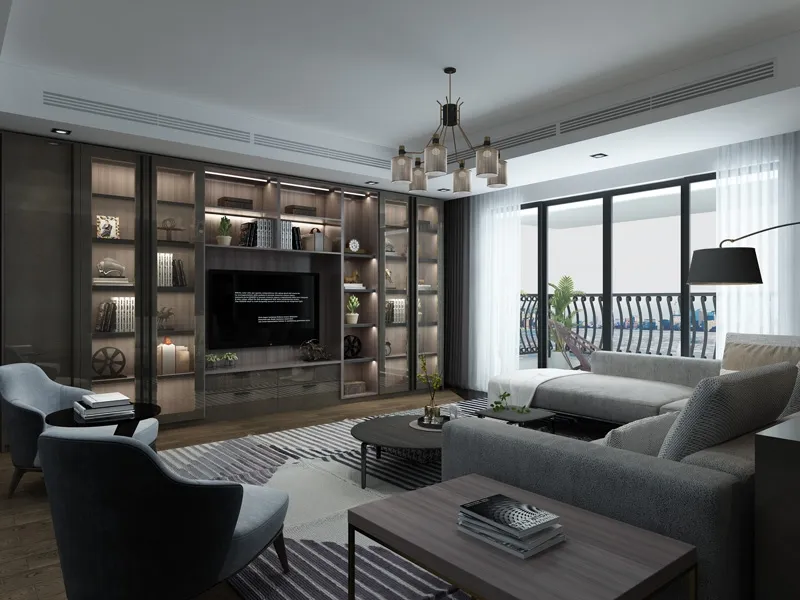
Ever emerge from a movie night feeling stiff-necked? That's your furniture trying to tell you something. Unlike rigid store displays, your **custom TV cabinet** should adapt to your body, not the other way around. This silent actor in your living space does more than hold electronics - it holds the power to prevent chronic neck pain and transform viewing from mundane to magical.
Anatomy of Discomfort: How Wrong Height Harms You
When your screen forces unnatural angles, the domino effect begins:
- Muscular Tension - Suboccipital muscles work overtime
- Disc Compression - Up to 50lbs extra force per inch of forward lean
- Nerve Impingement - Tingling fingers start here
- Migraine Triggers - Referred pain from upper vertebrae
Our bodies whisper warnings through stiffness long before screaming with pain. That slight tension after two episodes? It's early-stage ergonomic alarm.
The Golden Formula: Your Personal Height Blueprint
Your Ideal Cabinet Height: 26 inches
The Science: ((Eye Height - 0.5*TV Height) + Viewing Comfort Offset). This dynamically accounts for reclining angles that standard rules ignore. Theater-inspired 15° downward gaze isn't one-size-fits-all - your sofa depth changes everything.
Real World Solutions Beyond Textbook Rules
The Recliner Enthusiast
Problem: Screen disappears when leaning back
Solution: Tilted mount +
custom furniture
platform
Open Floor Plan Woes
Problem: Viewing from kitchen requires neck craning
Solution: Motorized lift cabinet + secondary angled screen
For standing viewers during cooking or workouts, add vertical track mounting. Remember: Children's eye levels change annually - adjustable platforms prevent "iPad neck" in developing spines.
Beautiful Functionality: Cabinet as Health Investment
- Material Matters - Glass fronts reflect glare causing neck-twisting avoidance
- Cable Real Estate - Tangled wires force awkward cleaning postures
- Depth Dimensions - Front-heavy mounts create dangerous leaning hazards
Consider asymmetrical designs when corner placement is unavoidable. Angled shelves maintain flow while directing views naturally toward screen center.
Your 7-Day Ergonomic Transformation
| Day | Action | Expected Relief |
|---|---|---|
| 1 | Measure seated/standing eye levels | Identify current strain sources |
| 2 | Calculate optimal cabinet height | Visualize proper alignment |
| 5 | Implement temporary adjustments | Notice reduced evening stiffness |
| 7 | Finalize permanent solution | Wake without neck tension |
The Last Frame: Health-Centered Design
That persistent knot between your shoulders doesn't need massage therapy - it needs thoughtful furniture planning. By honoring the natural language of anatomy over arbitrary interior design traditions, your media space becomes preventive healthcare. The ideal height isn't just about comfortable movie nights; it's about preserving your ability to look your grandchildren in the eyes decades from now without pain. Your next binge-watch might just become the most therapeutic thing in your living room.










