
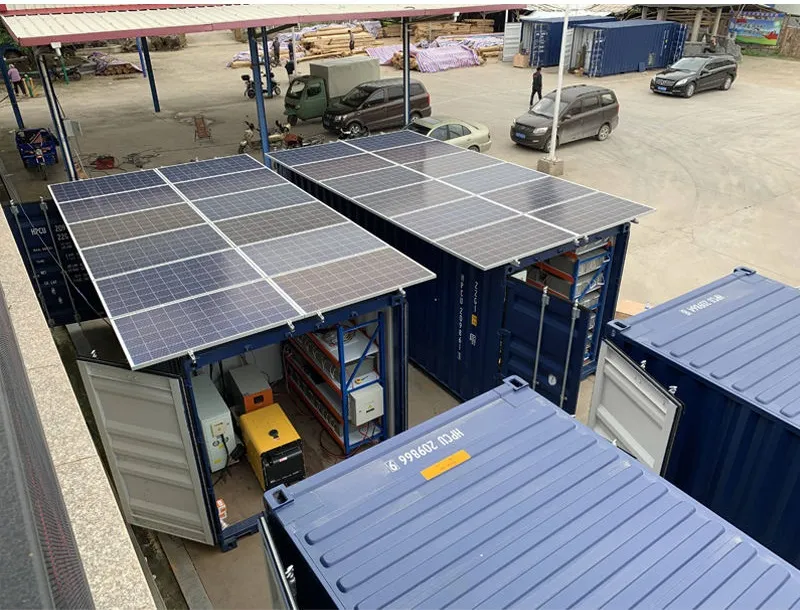
The ultimate guide to maximizing your solar investment by perfectly balancing inverter capabilities with panel performance
Let's cut to the chase: if your solar panels and inverter aren't speaking the same language, you're literally throwing money off your roof every sunny day. It’s like pairing a Ferrari engine with bicycle tires – technically possible, but you'll never see what that powerhouse can really do. Getting this match right impacts everything from your energy bills to how long your system lasts before needing expensive replacements.
Think of it like a marriage : Your panels produce the raw energy (the "what"), while your inverter shapes and delivers it (the "how"). When they're perfectly synchronized, magic happens. When they're mismatched? Constant bickering, wasted potential, and costly therapy bills.
I've seen too many homeowners make these painful mistakes: Folks who installed premium panels only to bottleneck them with a cheap undersized inverter, or tech enthusiasts who bought a top-tier inverter for panels that can't feed it enough power. In both cases, they ended up with:
The golden rule we'll unpack isn't just technical specs – it's about creating a harmonious energy relationship where both components operate at their happy place.
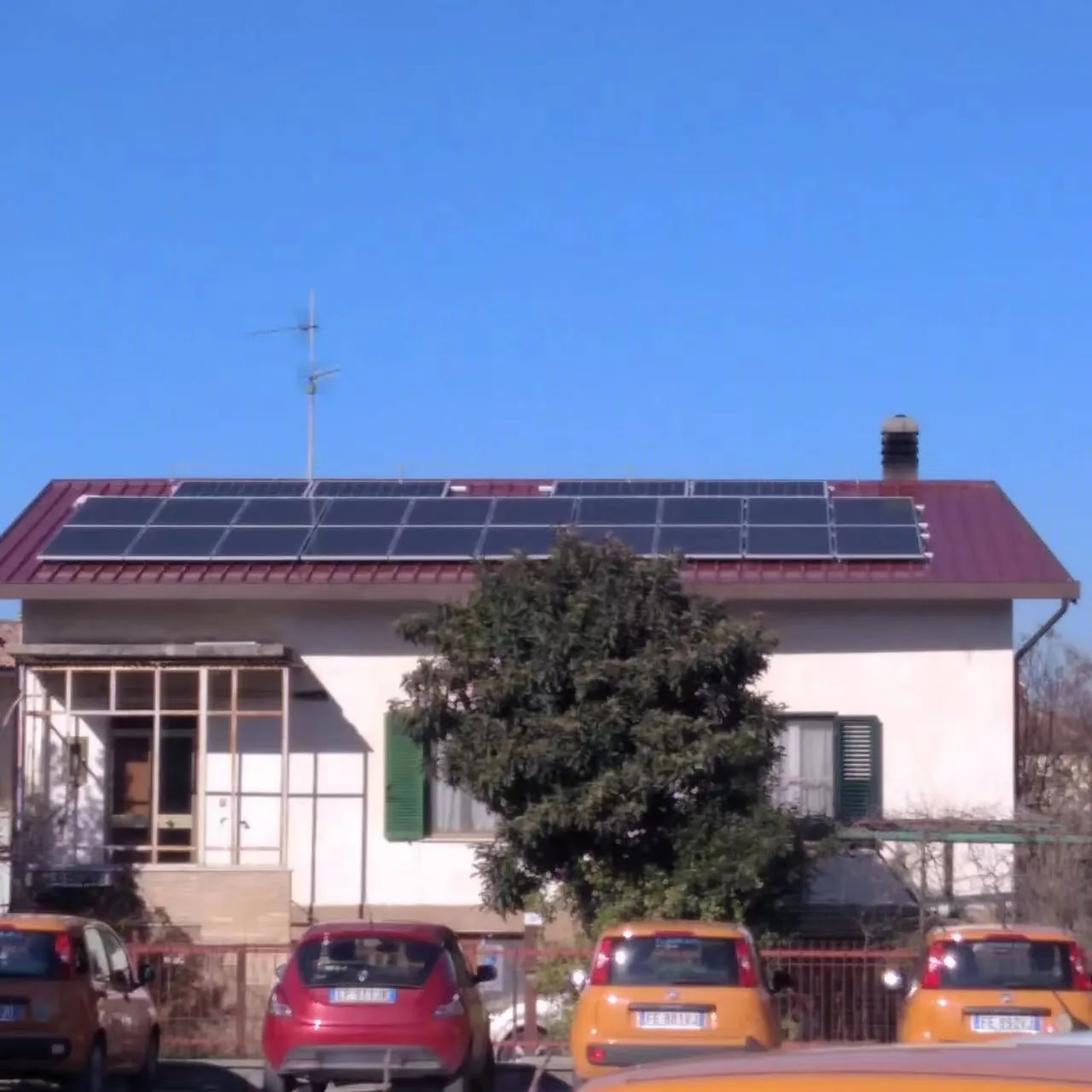
Before we match anything, let's understand what we're working with. All inverters aren't created equal – they're like different types of translators for your solar energy:
This is your "traditional" option where panels connect in series like Christmas lights. One central unit handles the entire group.
Perfect when : Your roof gets consistent sun with minimal shading, and you want cost-effective simplicity. About 60% of residential solar panels installations use these globally.
Watch out for : If one panel gets shaded or underperforms, it drags down the whole string's output (like one bad singer ruining the choir).
Here, each panel gets its own mini-inverter mounted underneath. They work independently so one panel's bad day doesn't affect neighbors.
Perfect when : You've got complex roofs with chimneys, vents or trees causing shifting shadows throughout the day. Ideal when mixing panel types or orientations.
Watch out for : Higher upfront cost and more components to potentially fail (though warranties are typically strong).
These sit at each panel but connect to a central inverter, giving you panel-level optimization without going full microinverter.
Perfect when : You like Goldilocks solutions – not too simple, not too complex. Balances performance gains with cost efficiency.
Quick rule: The more uniform your roof conditions, the more sense string inverters make. The more complex and shaded your setup, the more microinverters/optimizers shine. Don't let installers push one solution universally – your roof's personality matters!
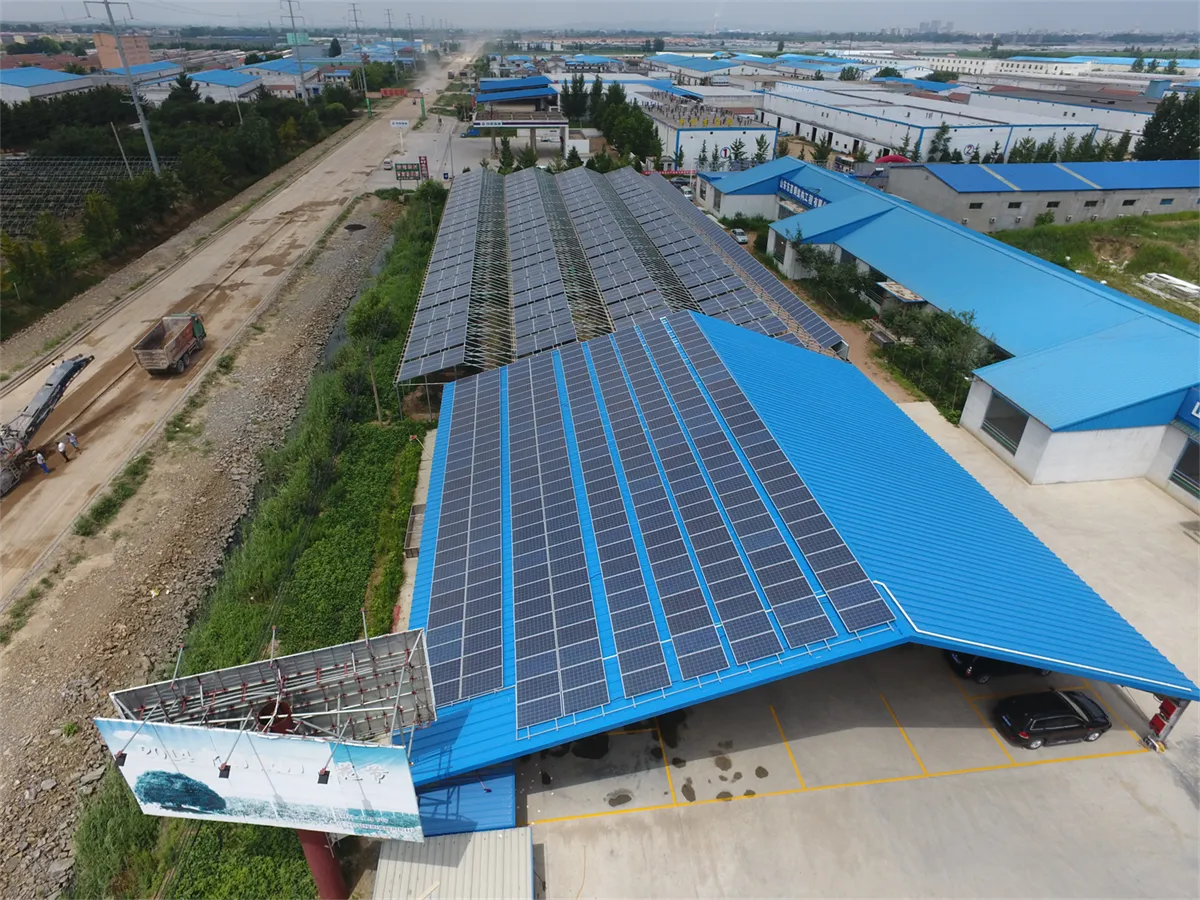
While inverters transform energy, panels create it. Their specs dictate the conversation:
This is the maximum voltage a panel produces when disconnected. Like water pressure building behind a dam. Exceeding your inverter's max input voltage is like overfilling a balloon – it will pop (or trigger safety shutdowns).
The maximum current flow when panel terminals are connected directly. Imagine opening that dam gate completely. Your inverter must handle these surges.
Panels behave differently in Arizona summers vs. Minnesota winters. Voltage increases in cold, decreases in heat. Current rises slightly with temperature. Your matching strategy must account for local climate extremes.
Real talk : Trying to match inverters and panels without understanding these specs is like swiping right on dating apps based solely on profile pictures. You're heading for compatibility disaster. Always dig into spec sheets!
Enough theory – let's translate this to real-world choices. Follow these guidelines religiously:
Size your inverter at 75-90% of your panel array's peak capacity . If your panels can theoretically produce 10kW at absolute peak conditions, use an 8-9kW inverter.
Why undersize? Panels rarely hit theoretical maximums due to real-world factors (dust, heat, angle, clouds). Oversized inverters operate inefficiently at partial loads, like driving everywhere in first gear. The 1.25x ratio keeps inverters operating near their sweet spot most of the day.
Calculate your system's maximum cold weather voltage using:
Max Voltage = Panel Voc × Number in Series × Temperature Coefficient Factor
This MUST stay below your inverter's maximum input voltage (with at least 10% buffer). In cold climates, I've seen voltages spike 20% above ratings – a silent system killer.
This ratio compares inverter output capacity to panel DC capacity:
DC Capacity ÷ AC Capacity = DC/AC Ratio
Ideal range
: 1.1 to 1.25
Below 1.0? You've over-invertered (wasted money)
Above 1.4? You're throttling energy capture (wasted potential)
Planning battery storage? Considering panel expansion? Certain inverters integrate easier:
You inherit a mismatched system? Don't panic – solutions exist:
Problem
: Voltage too high for inverter
Solution
: Rewire strings in parallel instead of series. More current, less voltage.
Problem
: Current too high
Solution
: Split strings, use combiner boxes. Like adding lanes to a highway.
Remove 1-2 panels per string to reduce voltage. Sounds counterintuitive but gets your system operating reliably.
Add power optimizers to mismatched strings. They condition panel output before reaching the inverter. The "marriage counselor" approach.
When mismatches are severe, replace either panels or inverter. Follow this decision tree:
Old panels + new inverter?
If panels have >15 years left
Old inverter + new panels?
If inverter is nearing end-of-life anyway
Rebuild both?
When economics warrant a fresh start
Go beyond basic matching with these ninja strategies:
Maximum Power Point Tracking is your inverter's brain. Dual MPPT inverters let you combine different roof angles on separate channels – west-facing patio cover meets south-facing main roof? No problem.
Quality inverters consume just 5-10 watts in standby. Cheap units can drain 30W+ – that's 260 kWh/year stolen before you use a single light!
Manufacturers love showcasing peak efficiencies (like 99%!). But real-world performance matters more:
Always compare CEC values when possible – differences seem small but compound across years.
Installation is just day one. Protect your investment:
Every 6-12 months:
The most sophisticated solar panel systems still fail from basic neglect. Schedule maintenance like dental cleanings – preventative and painless.
That shiny 25-year inverter warranty? It's littered with landmines:
Many warranties cover 100% for years 1-5, dropping to 30% by year 15. Calculate replacement costs accordingly.
Selling your home? Some warranties require $200+ transfer fees or vanish completely. Disclose this during sales.
Always, always:
Golden matching distilled into actionable steps:
Perfect matching feels like hearing a symphony after years of static. That moment when every watt flows effortlessly? That's financial and engineering harmony. Go make some beautiful energy together!
Recommend Products












