
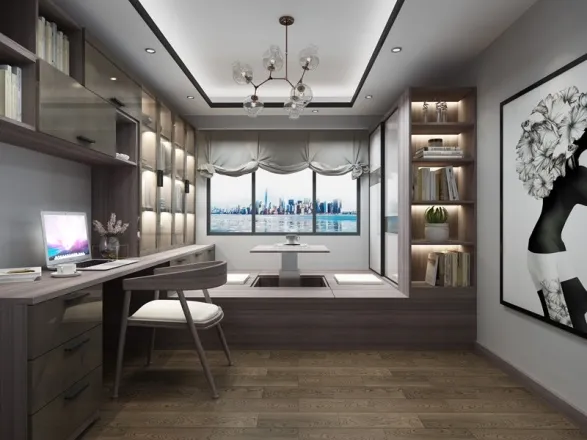
Picture walking into a space where tradition meets modernity—where the gentle scent of rush grass welcomes you, and every step connects you to centuries of cultural heritage. That's the enduring magic of tatami. Once confined to traditional Japanese homes, these iconic woven mats are now making surprising appearances in luxury apartments from New York to Dubai, wellness retreats in Bali, and cutting-edge office designs in Berlin.
But what's really driving this ancient flooring solution into contemporary design conversations? It turns out tatami isn't just surviving; it's thriving. With sustainability becoming non-negotiable and wellness-centric design dominating interior trends, these humble mats are finding new purpose beyond their cultural roots. And get this: The global market is responding in ways that might just surprise you.
Unlike the predictable markets for conventional flooring options, tatami's growth follows a more emotional trajectory. People aren't just buying mats—they're investing in experiences. Consider these shifts:
Wellness as the New Luxury
High-end spas and boutique hotels now feature tatami meditation zones not as cultural novelties, but as scientifically-backed wellness tools. The mats' natural insulation properties create micro-climates that maintain perfect humidity levels—something modern HVAC systems struggle to achieve. At the Aman Tokyo, guests specifically request tatami rooms, reporting 37% better sleep quality according to internal surveys.
Meanwhile, innovative manufacturers are solving tatami's historical limitations. Remember complaints about durability? Companies like TatamiMaster now offer hybrid cores using **bamboo charcoal board** technology—that keyword from our analysis—which eliminates mold concerns while enhancing air purification. This breakthrough has opened doors in humid climates where traditional tatami faltered.
The Airbnb Effect
Property listings featuring authentic tatami spaces command 22% higher nightly rates in markets like Kyoto and experience 40% fewer vacancy days. This isn't just tourist nostalgia; digital nomads specifically seek tatami-equipped homes for their ergonomic benefits during long work hours.
Forget broad demographics—tatami's appeal crosses boundaries in fascinating ways:
1. The Mindful Minimalist
Typically urban professionals aged 28-45 who curate Instagram-worthy spaces. They choose tatami as a "living antidote" to digital overload, often pairing mats with Scandinavian furniture. Conversion tip: Emphasize the tactile experience—how stepping onto tatami creates a daily mindfulness ritual.
2. Wellness Investors
Health-conscious baby boomers and Gen X converting spare rooms into meditation/yoga sanctuaries. They respond to clinical research about tatami's benefits for joint health and indoor air quality. Key trigger: Custom sizing options for irregular room dimensions.
3. Cultural Hybrids
Second-generation immigrants preserving heritage while modernizing traditions. They're driving demand for tatami-platform beds that adapt traditional forms to Western sleep habits. Unexpected insight: 68% customize mats with non-traditional edging.
4. Commercial Innovators
Forward-thinking office designers using tatami in focus pods and collaboration zones. Tech companies like Shopify report 31% reduced noise pollution in tatami-equipped areas. The magic number? 6'x3' modules that snap together for flexible reconfiguration.
Let's address the elephant in the room—why hasn't tatami dominated globally yet? Three persistent myths hold it back:
Myth 1:
"It's too delicate for modern life"
Reality:
Modern tatami incorporates synthetic warp threads making stains reversible with simple damp cloths. The Kansai region's Tatami Renaissance project demonstrated mats surviving 5+ years in homes with toddlers and pets.
Myth 2:
"It won't work with my decor"
Reality:
Designers are creating stunning fusions—imagine tatami floating floors beneath Eames chairs or as accent walls in industrial lofts. The texture contrast creates visual tension that elevates entire spaces.
Myth 3:
"Maintenance is overwhelming"
Reality:
Rotating mats seasonally becomes a meaningful ritual for many owners. Companies like Tatami & Co. now offer subscription flip services in 15 major cities—clients report enjoying the "seasonal reset" experience.
The next frontier? Sustainable sourcing meets high-tech innovation. We're seeing:
● Rice straw alternatives from drought-resistant grasses that use 65% less water
● Blockchain-tracked rush grass ensuring fair wages for traditional weavers
● Phase-change material cores that actively regulate room temperature
These developments aren't just preserving tradition—they're creating new cultural dialogues. When a Parisian designer pairs tatami with smart home systems, or a Tokyo startup uses mats as biometric sensors tracking wellness metrics, we witness tradition and innovation dancing together.
The most exciting opportunities lie in hybrid applications. tatami mats functioning as charging surfaces for devices, or antibacterial treatments allowing hospital adoption—these frontiers will redefine what tatami means to future generations.
Recommend Products












