
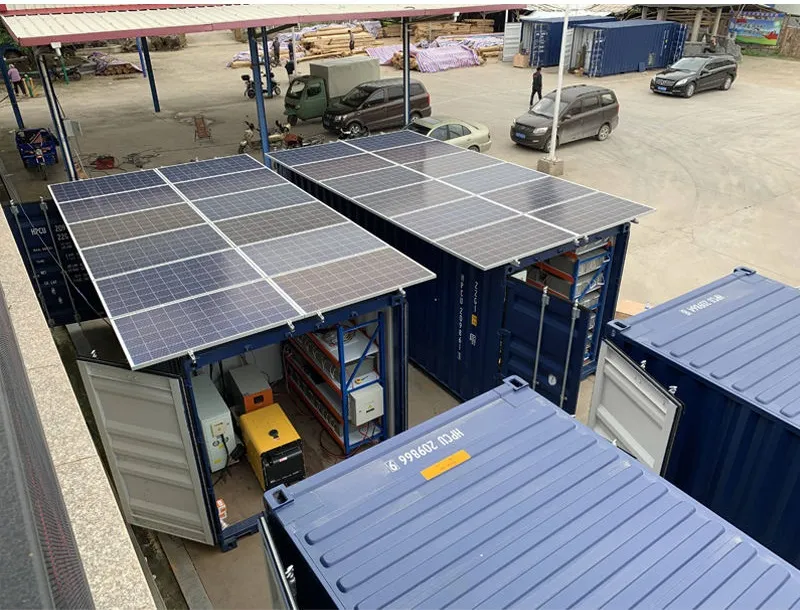
The world stands at an energy crossroads. As climate change accelerates and traditional power sources show their limitations, solar energy isn't just an alternative—it's becoming the backbone of our global energy future. But how ready are we for this transition? Let's dive deep into the real state of solar panel production capacity and the technology innovations that will define our energy landscape.
Key fact: Solar could supply 45% of U.S. electricity by 2050 if current growth trajectories hold, according to the U.S. Department of Energy. But getting there requires overcoming production bottlenecks and accelerating tech adoption.
Right now, the solar manufacturing landscape resembles a global chessboard. China dominates the board with over 80% share of polysilicon production—the essential raw material for most solar panels. While this concentration brings economies of scale, it also creates critical vulnerabilities in global supply chains.
Consider last year's energy crisis: When Chinese factories reduced output due to power shortages, installation timelines worldwide stretched by 4-6 months. This isn't abstract economics; it's homeowners waiting for promised installations and climate goals slipping further away.
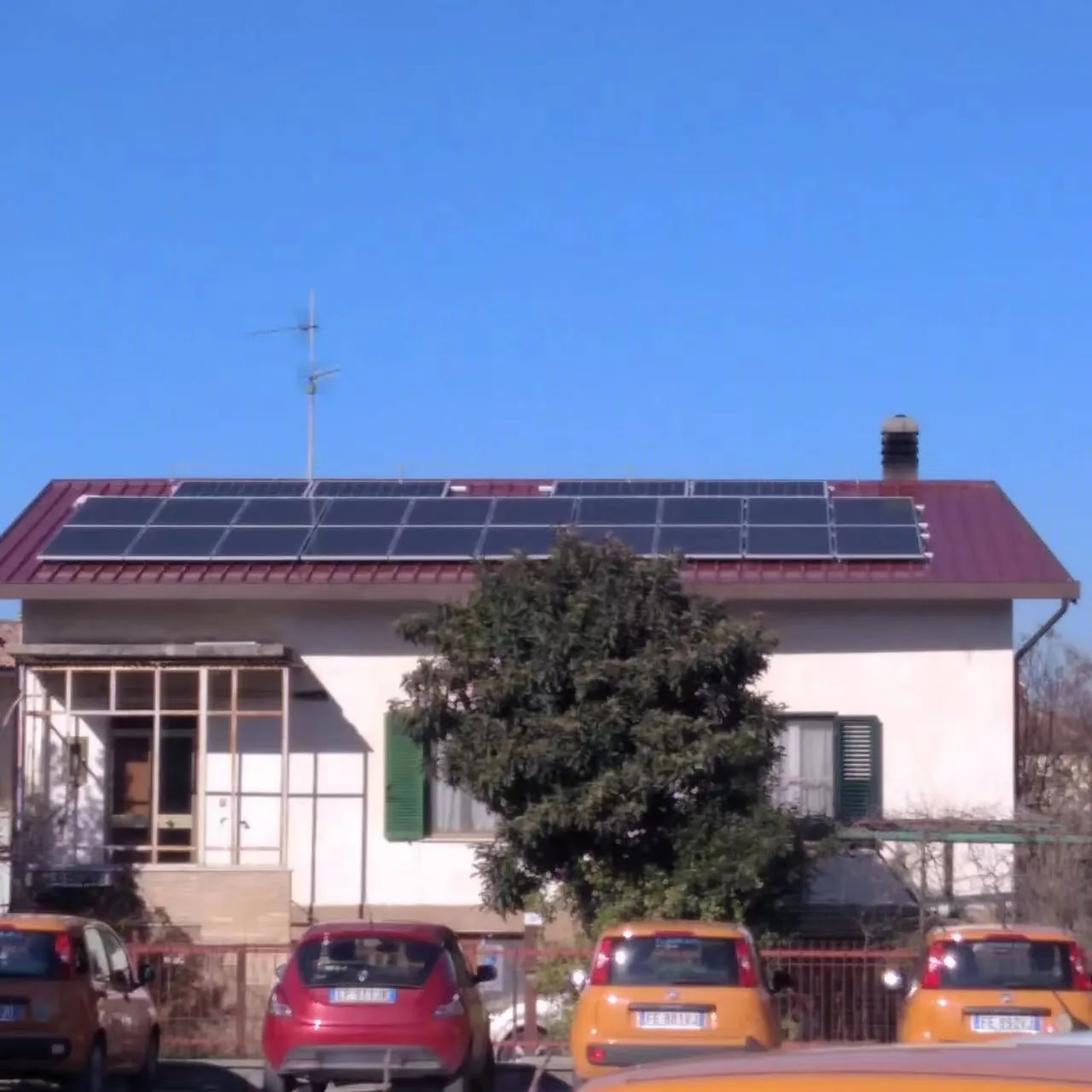
The solar panels on rooftops today are essentially the same technology we've used for decades. But that's changing faster than most people realize:
Imagine solar cells that can be printed like newspaper at room temperature. That's the promise of perovskite technology currently being scaled by companies like Oxford PV. Early commercial panels already hit 31% efficiency compared to silicon's 22% ceiling. The implications? Lower costs, more flexible installations, and even transparent solar windows.
Traditional panels only capture sunlight from one side. Bifacial models capture reflected light from surfaces below—boosting output by up to 30%. This isn't lab theory; major solar farms in the Chilean desert already see 27% higher yields using bifacial panels.
For building integration, organic PV opens new possibilities. Companies like Heliatek produce solar films weighing less than 1kg per square meter that can wrap around curved surfaces. Meanwhile, quantum dots could soon unlock 50% efficiency by precisely tuning light absorption.
Reality check: While these innovations excite engineers, manufacturing scale remains the hurdle. Perovskite durability concerns and quantum dot production costs must be solved before widespread adoption.
Here's the uncomfortable truth most gloss over: The solar revolution depends on materials with complex geopolitics. Consider these hidden dependencies:
| Material | Primary Source | Supply Risk |
|---|---|---|
| Tellurium | China (70%) | Extreme |
| Silver Paste | Mexico/Pera (65%) | High |
| Gallium | China (80%) | Critical |
Remember when microchip shortages stalled car production? Solar faces similar risks. The industry must navigate these constraints through:
We constantly hear about "declining solar costs," but that's only half the story. While panel prices dropped 90% in a decade, soft costs now dominate project budgets:
A recent 200MW installation revealed stark cost realities:
Labor constraints and interconnection delays added 8 months to the schedule. This bottleneck won't be solved by better panels alone.
Manufacturing advancements might not be glamorous, but they're reshaping solar economics:
Top manufacturers like China solar panel manufacturer Trina Solar now run lights-out factories where AI systems:
The result? One factory reduced waste silicon by 47% and increased daily output by 22% without expanding floor space.
Traditional human inspection misses microscopic defects that cause premature failure. New hyperspectral imaging robots catch flaws invisible to the human eye before panels leave the factory—slashing field failure rates below 0.2%.
Based on current trajectories, we'll see fundamental shifts in how solar is manufactured and deployed:
Technology alone won't build the renewable future. We need pragmatic solutions to real-world barriers:
California's experience proves solar without storage has limitations. When the Duck Curve bites, gigawatts of potential get wasted. The solution? New storage alternatives going beyond lithium:
For the 45% of households who can't install rooftop panels, shared solar projects are becoming viable through:
In Minnesota, Xcel Energy's community solar program now powers over 200,000 homes—mostly renters and low-income residents previously excluded from solar benefits.
The U.S. solar workforce grew 9% last year but needs to expand 40% annually to meet demand. Innovative apprenticeship programs like Solar Hands provide:
The transition to solar-dominant energy isn't a question of technical feasibility anymore. We know how to capture sunlight and convert it efficiently. The true challenges lie in manufacturing scaling, materials innovation, and systemic integration.
Countries that approach solar as integrated ecosystems—linking R&D, manufacturing, installation, and recycling—will reap economic and environmental rewards. Those clinging to fossil infrastructure will face stranded assets and missed opportunities.
For manufacturers, the message is clear: Efficiency matters, but circularity and resilience matter more. For policymakers: Incentives should prioritize entire value chain development, not just end-user subsidies. And for consumers: Your energy choices increasingly shape global production priorities.
The solar century is already here. How bright it becomes depends on choices we make in the next five years.
Recommend Products












