

In the world of architecture and design, buildings are more than just structures—they are narratives. Every wall, every façade, every surface tells a story of creativity, functionality, and human ingenuity. At the heart of these stories lies a critical player: the materials that bring them to life. Among these, porcelain slab tiles for walls have emerged as a transformative force, blending durability with artistic expression. But their impact is not just a product of their own quality; it is shaped by the powerful collaborations between porcelain slab tile for wall suppliers and top global brands. These partnerships are redefining what's possible in modern construction, turning ordinary spaces into extraordinary experiences.
Walk into any contemporary hotel lobby, high-end retail store, or luxury residential complex today, and you're likely to be struck by the sleek, seamless walls that greet you. Chances are, those walls are clad in porcelain slab tiles. Over the past decade, these tiles have moved from niche applications to mainstream must-haves, and for good reason. Unlike traditional ceramic tiles, porcelain slabs offer unmatched versatility: they come in larger formats (some as big as 10 feet by 5 feet), thinner profiles (as slim as 3mm), and a endless array of finishes—from marble and granite lookalikes to bold, abstract patterns. They're resistant to scratches, stains, and moisture, making them ideal for high-traffic areas, and their low maintenance needs appeal to both commercial and residential clients.
But what truly sets porcelain slab tiles apart is their ability to bridge the gap between aesthetics and practicality. "A wall isn't just a barrier anymore," says Maria Gonzalez, a senior architect at a leading Dubai-based design firm. "It's a canvas. Porcelain slabs let us create that canvas without compromising on performance. Whether we're designing a hospital that needs Class A fireproof materials or a boutique hotel aiming for luxury, these tiles deliver." This sentiment is echoed by suppliers worldwide, particularly in regions like Saudi Arabia, where building booms demand materials that can withstand harsh climates while meeting global design standards. As a key Saudi Arabia building materials supplier notes, "Our clients in Riyadh and Jeddah don't just want tiles—they want solutions that reflect their vision for the future of their cities."

The journey from raw material to finished wall is rarely a solo endeavor. Porcelain slab tile for wall suppliers bring to the table decades of manufacturing expertise, technical know-how, and access to cutting-edge production facilities. Top brands, on the other hand, bring design vision, market insight, and a deep understanding of end-user needs. When these two forces collaborate, magic happens. Let's break down why these partnerships are so critical:
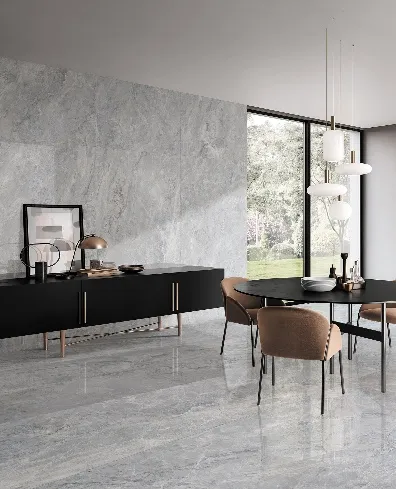
In 2023, the Azure Tower, a 45-story mixed-use development in Riyadh's King Abdullah Financial District, set out to redefine luxury living in the region. Its design called for a façade that would stand out in the city's skyline—sleek, modern, and bathed in natural light—while also withstanding Saudi Arabia's extreme temperatures (reaching up to 50°C in summer) and sandstorms. The project's architects turned to a collaboration between a local porcelain slab tile for wall supplier and a renowned Italian design brand to bring this vision to life.
The challenge was twofold: create a tile that could handle the climate and deliver the high-end aesthetic the developers desired. The supplier, with its experience in manufacturing materials for Middle Eastern conditions, proposed a porcelain slab with a UV-resistant glaze to prevent fading and a textured surface to reduce heat absorption. The Italian brand, known for its minimalist designs, provided input on the tile's color palette—soft neutrals with subtle metallic accents—and finish, opting for a matte surface to avoid glare in bright sunlight.
The result? The Azure Tower's façade, clad in 6-foot by 3-foot porcelain slabs, has become an iconic part of Riyadh's skyline. Residents and visitors alike praise its understated elegance, while the building's management notes that the tiles have required minimal maintenance despite harsh weather. "This project wouldn't have been possible without collaboration," says Ahmed Al-Mansoori, the tower's lead architect. "The supplier understood the technical challenges, and the brand understood the design vision. Together, they delivered something that exceeded our expectations."
| Supplier/Brand Partnership | Key Solution Highlights | Target Applications | Standout Feature |
|---|---|---|---|
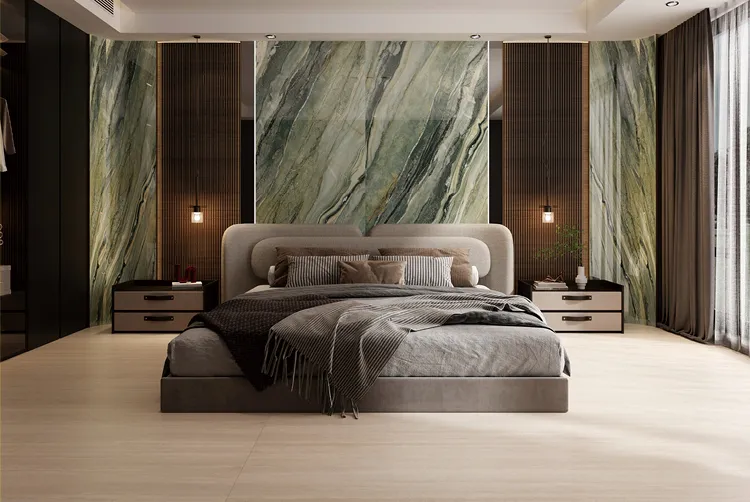
| Saudi Arabia Building Materials Supplier + European Luxury Brand | UV-resistant porcelain slabs with custom digital marble veining; Class A fireproof rating | Luxury hotels, high-end residential towers | Designed to withstand extreme Middle Eastern temperatures |
| Asian Manufacturer + North American Commercial Brand | Ultra-thin (3mm) porcelain slabs for lightweight façade cladding; large format (120" x 60") | Office buildings, retail malls | Reduces structural load while maximizing design flexibility |
| Middle Eastern One-Stop Provider + Scandinavian Design Firm | Eco-friendly porcelain slabs (30% recycled content); anti-bacterial surface treatment | Hospitals, schools, healthcare facilities | Meets strict EU and local sustainability standards |
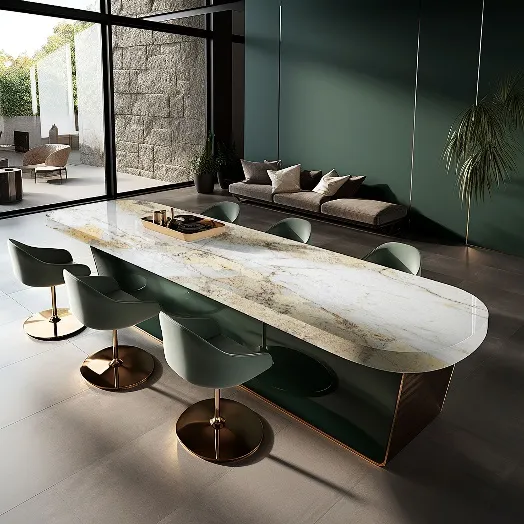
While the benefits of collaboration are clear, global partnerships between porcelain slab tile suppliers and brands are not without their hurdles. One of the biggest challenges is aligning on quality standards. A brand based in Germany might have stricter tolerances for tile thickness or color consistency than a supplier in Asia, leading to delays or disagreements during production. To mitigate this, many partners invest in joint quality control processes—like regular factory audits, shared testing protocols, and real-time communication tools to address issues as they arise.
Cultural differences can also play a role. A supplier in Saudi Arabia, for example, might prioritize personal relationships and face-to-face meetings, while a brand in the United States might prefer quick, email-based communication. Building trust often requires adapting to these differences: scheduling video calls at mutually convenient times, sending teams to visit each other's facilities, and taking the time to understand each other's business cultures. As one supplier put it, "Collaboration isn't just about contracts—it's about people. You have to speak the same language, even if it's not the same mother tongue."
Logistics is another pain point. Shipping large porcelain slabs across continents requires careful planning to avoid breakage, and delays in transit can disrupt project timelines. Many partners address this by establishing regional distribution centers—for example, a Saudi Arabian supplier might store inventory in Dubai to serve clients across the GCC, reducing lead times and shipping costs. Others invest in specialized packaging, like reinforced crates with shock-absorbing materials, to protect tiles during transport.
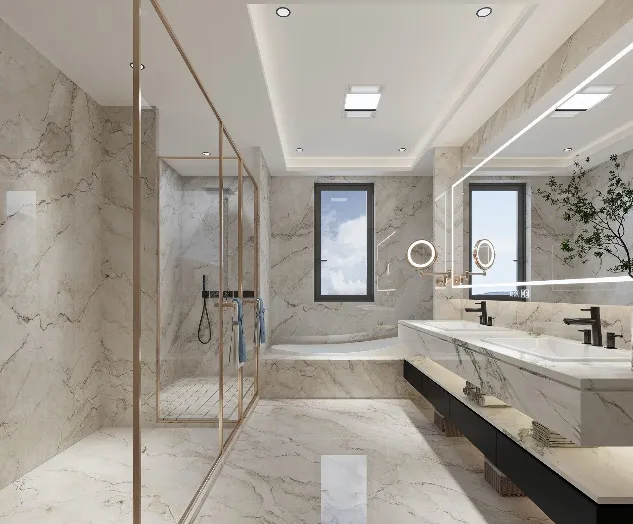
As the demand for innovative building materials grows, the role of global partnerships will only become more critical. What does the future hold? Here are a few trends to watch:
Smart Materials Integration: Imagine a porcelain slab tile that can regulate temperature, or display digital art, or even purify the air. While this might sound like science fiction, suppliers and brands are already exploring ways to embed technology into tiles. For example, a partnership between a tech startup and a Japanese porcelain supplier is developing tiles with built-in sensors that monitor humidity levels in bathrooms, alerting homeowners to potential mold issues. As these innovations mature, we'll see walls that do more than just look good—they'll actively enhance our living and working environments.
Hyper-Customization: Clients are increasingly seeking one-of-a-kind spaces, and that demand is trickling down to materials. Brands and suppliers are using AI and 3D printing to create porcelain slabs with completely unique designs—think tiles that mimic the texture of a client's favorite childhood tree or replicate a famous painting. A recent project in Milan featured a restaurant wall clad in porcelain slabs printed with the owner's family photos, transformed into abstract art. This level of personalization would not be possible without close collaboration between suppliers (who handle the technical printing) and brands (who guide the creative vision).
Circular Economy Models: Sustainability will continue to drive partnerships, with a focus on closing the loop in the building materials lifecycle. Brands and suppliers are exploring take-back programs for old porcelain tiles, which can be crushed and reused as aggregates in new tile production. They're also developing modular tile systems that can be easily replaced or rearranged, reducing waste during renovations. For example, a partnership between a Dutch brand and a Saudi Arabian supplier is testing a "tile leasing" model for commercial clients: instead of buying tiles outright, clients rent them, and the supplier reclaims and recycles them at the end of the lease term. This not only reduces waste but also makes high-end materials more accessible to smaller businesses.
At the end of the day, the story of porcelain slab tile for wall suppliers collaborating with top brands is a story about people—architects, designers, manufacturers, and clients—coming together to create something greater than the sum of its parts. These partnerships are not just about selling products; they're about solving problems, pushing boundaries, and building spaces that inspire. Whether it's a skyscraper in Riyadh, a boutique hotel in Paris, or a hospital in Singapore, the walls we build today will shape the stories of tomorrow.
As one industry leader put it, "The best buildings aren't built by one company or one brand—they're built by communities of innovators. And in that community, the partnership between suppliers and brands is the foundation." So the next time you walk into a space that takes your breath away, take a moment to appreciate the wall that surrounds you. Chances are, it's more than just a wall—it's a testament to the power of collaboration.
Recommend Products











