

Buildings are more than just walls and roofs—they're the backdrop to our lives, the spaces where we live, work, learn, and connect. And behind every great building is a story of materials: choices that blend durability with beauty, functionality with sustainability, and local needs with global innovation. For architects, contractors, and property owners around the world, finding a reliable partner who can deliver this balance isn't just a convenience—it's a game-changer. That's where Coloria comes in. As a one-stop architectural solution provider with a sprawling global network, Coloria isn't just selling building materials; they're building trust, one project at a time. Today, we're diving into their world, focusing on their star offering—MCM flexible cladding stone wall panels—and exploring how their network supports both residential building materials supplier and commercial building materials supplier needs across continents.
What does it mean to be a "global supplier" in today's interconnected world? For Coloria, it's not just about shipping products from one country to another. It's about understanding that a hotel in Riyadh has different needs than a boutique apartment in Zurich, that a school in Singapore requires materials that meet strict fire safety standards, and that a residential complex in Sydney demands eco-friendly options that align with local sustainability goals. Coloria's network is built on this principle: localization without compromise.
Operating across key regions—from the bustling construction hubs of Saudi Arabia to the design-forward markets of Europe and the fast-growing urban centers of Asia—Coloria has strategically positioned itself to be more than a vendor. They're a partner with boots on the ground. Local warehouses ensure timely delivery, even for large-scale projects. Regional teams of experts provide on-site support, helping clients navigate everything from material selection to installation best practices. And a centralized quality control system ensures that whether you're ordering MCM cladding for a commercial tower in Dubai or bamboo charcoal board wall panels for a family home in Kuala Lumpur, the product meets the same rigorous standards.
Take Saudi Arabia, for example. As a Saudi Arabia building materials supplier , Coloria has become a go-to name for developers working on everything from luxury resorts to public infrastructure. The country's extreme temperatures—scorching summers and occasional sandstorms—demand materials that can withstand harsh conditions without losing their aesthetic appeal. Coloria's MCM flexible cladding stone wall panels, for instance, are tested to resist UV radiation, thermal expansion, and impact, making them a staple in Saudi projects where durability and low maintenance are non-negotiable.
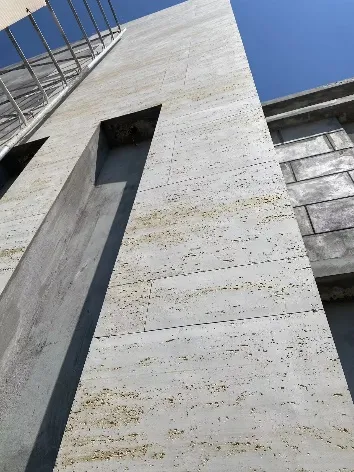
If there's one product that has put Coloria on the map, it's their MCM flexible cladding stone wall panels. But what exactly makes these panels so special? Let's break it down. MCM, or Modified Composite Material, is a revolutionary cladding solution that combines the natural beauty of stone with the flexibility of modern composites. Unlike traditional stone cladding, which is heavy and rigid, MCM panels are lightweight—up to 80% lighter than natural stone—yet incredibly strong. This lightness isn't just about easier installation (though that's a big plus); it also reduces the structural load on buildings, opening up design possibilities for architects who want to push boundaries with curved facades, cantilevered structures, or intricate patterns.
Flexibility is another standout feature. Imagine a historic building with rounded archways that need a facelift without compromising their heritage charm. Traditional stone would require custom cutting, time-consuming installation, and a high risk of damaging the original structure. MCM panels, on the other hand, can be bent and shaped to fit almost any contour, making them ideal for both new builds and renovation projects. This adaptability has made them a favorite in commercial settings, where unique design is often a key differentiator. A recent project in Barcelona, for example, used Coloria's MCM cladding to create a wave-like facade for a tech startup's headquarters, turning the building into a landmark that reflects the company's innovative spirit.
But MCM panels aren't just about looks. They're also a practical choice for both residential and commercial projects. For homeowners, they mean exterior walls that stay looking fresh for decades, even in rainy or humid climates. For business owners, they translate to lower long-term maintenance costs—no repainting, no sealing, just an occasional wash to keep the panels gleaming. And for architects, they offer a palette of possibilities: from mimicry of rare stones like Switzerland stone or cloud stone to custom colors that match a brand's identity. It's no wonder that Coloria's MCM flexible cladding stone wall panel solutions are in high demand across sectors.
Let's take a closer look at a real-world example. In Jeddah, Saudi Arabia, a luxury residential complex was struggling to balance modern design with the region's traditional architectural heritage. The developer wanted the buildings to stand out but also fit harmoniously with the surrounding historic district. Coloria's team proposed MCM cladding panels designed to mimic the texture of local sandstone—a material that's iconic in Saudi architecture but is heavy and prone to weathering. The result? Buildings that look like they've been crafted from natural stone, but with the durability and flexibility of MCM. Today, the complex is a hit, with residents praising how the cladding keeps interiors cool in summer and how the facade has retained its warm, earthy tone despite years of exposure to the elements.
In commercial settings, MCM cladding has proven equally transformative. A hospital in Singapore, for instance, needed an exterior that was not only aesthetically pleasing but also hygienic and easy to clean—critical in a healthcare environment. Coloria's MCM panels, which are non-porous and resistant to mold and mildew, were the perfect fit. The panels were installed in a soft, neutral shade that promotes a calm atmosphere, and their smooth surface allows for quick sanitization, helping the hospital maintain its strict infection control protocols.
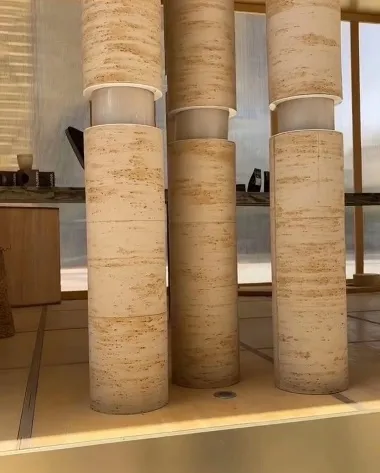
While MCM cladding is a star product, Coloria's strength lies in being a one-stop architectural solution provider . This means that whether a client needs wall panels, flooring, pipes, or even custom furniture, they can source it all from Coloria—eliminating the hassle of coordinating with multiple suppliers and ensuring consistency across materials. Let's explore a few other offerings that complement their MCM cladding and cater to diverse project needs.
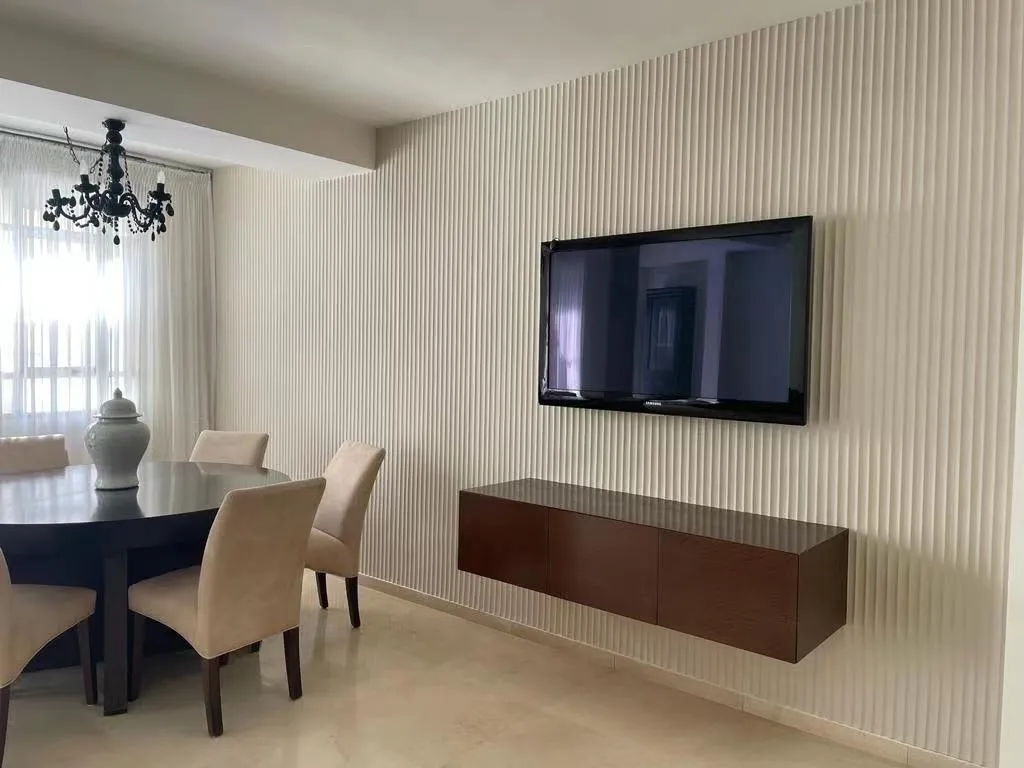
Indoor spaces deserve the same attention to quality and sustainability as exteriors, and Coloria's bamboo charcoal board wall panel supplier services deliver just that. Bamboo charcoal boards are a standout choice for eco-conscious clients. Made from bamboo fibers mixed with activated charcoal, these panels are not only renewable (bamboo grows faster than traditional hardwoods) but also offer unique functional benefits. The activated charcoal acts as a natural air purifier, absorbing odors and harmful pollutants—a feature that's particularly appealing for residential homes, nurseries, and offices where indoor air quality is a priority.
Beyond their green credentials, bamboo charcoal boards are also incredibly versatile. They come in a range of finishes, from sleek modern to rustic wood grain, making them suitable for any interior style. A recent project in Tokyo used Coloria's bamboo charcoal panels in a minimalist apartment, pairing them with light-colored flooring and large windows to create a space that feels both cozy and airy. Homeowners report that the panels have helped reduce cooking odors in the kitchen and keep the air fresh, even during Japan's humid summers.
With so many wall panel options available, choosing the right one can be overwhelming. To help clients make informed decisions, Coloria's experts often walk them through a comparison of key products. Here's a snapshot of how some of their popular wall panels stack up:
| Product | Key Features | Ideal Applications | Standout Benefit |
|---|---|---|---|
| MCM Flexible Cladding Stone Wall Panels | Lightweight, flexible, UV/weather resistant, mimics natural stone | Exteriors (residential/commercial), curved facades, heritage renovations | Durability without sacrificing design flexibility |
| Bamboo Charcoal Board Wall Panels | Eco-friendly, air-purifying, moisture-resistant, customizable finishes | Residential interiors, nurseries, offices, healthcare clinics | Sustainability meets functional air purification |
| PU Stone Wall Panels | Lightweight, easy to install, fire-retardant, realistic stone texture | Feature walls, accent pieces, commercial lobbies, retail spaces | High aesthetic impact with minimal installation time |
| WPC Wall Panels | Waterproof, termite-resistant, low maintenance, wood-like appearance | Bathrooms, kitchens, outdoor patios, pool areas | Durable in high-moisture environments |
This table is just a starting point, of course. Coloria's team works closely with clients to understand their specific project goals—whether it's staying within a budget, meeting tight deadlines, or adhering to local building codes—and recommends the best materials accordingly. For example, a restaurant owner in Paris might opt for PU stone wall panels for their interior feature wall, as they offer the look of natural stone at a lower cost and can be installed quickly to minimize downtime during renovations. A homeowner in a coastal area, on the other hand, might choose WPC wall panels for their outdoor patio, thanks to their resistance to saltwater and humidity.
What truly sets Coloria apart isn't just their products—it's their commitment to supporting clients at every stage of the project. Building a space, whether residential or commercial, is a journey with many moving parts. Coloria's network is designed to make that journey smoother, less stressful, and more successful.
It starts with the initial consultation. Clients aren't just given a catalog; they're paired with a dedicated account manager who takes the time to understand their vision, budget, and timeline. For example, a small-scale residential developer in Malaysia wanted to use MCM cladding for a row of townhouses but was concerned about the cost. Coloria's account manager suggested a mix of MCM panels for the main facade and more budget-friendly PU stone panels for accent walls, helping the developer stay on track financially while still achieving the desired aesthetic.
During the design phase, Coloria's technical team provides detailed specifications and 3D renderings, so clients can visualize how the materials will look in their space. This is especially valuable for complex projects, like a shopping mall in Dubai that wanted to use MCM cladding in a geometric pattern. Coloria's team created digital mockups of the facade, allowing the architect to tweak the design until it was perfect—before a single panel was manufactured.
And once the project is underway, Coloria's support doesn't end. Their installation partners are trained to work with their materials, ensuring that the panels are fitted correctly and efficiently. In the rare case of an issue, their after-sales team responds quickly, offering solutions that minimize delays. For a hotel project in Riyadh that encountered unexpected weather delays, Coloria expedited a shipment of replacement MCM panels, helping the contractor stay on schedule for the grand opening.

The building materials industry is evolving, and Coloria is evolving with it. As the world shifts toward more sustainable construction practices, the company is investing heavily in R&D to develop eco-friendly alternatives. For example, their bamboo charcoal board wall panels are part of a broader push to use renewable resources, and they're currently exploring ways to incorporate recycled materials into their MCM cladding production process.
Innovation is also a key focus. Coloria's team is constantly experimenting with new textures, finishes, and functionalities. One exciting development is a line of smart MCM panels that can regulate temperature by reflecting sunlight in summer and retaining heat in winter—potentially reducing a building's energy consumption by up to 20%. While still in the testing phase, these panels could revolutionize how we think about building exteriors, turning them from passive elements into active contributors to energy efficiency.
Sustainability isn't just about the products themselves, either. Coloria is also working to reduce the carbon footprint of their supply chain. By optimizing logistics routes, using eco-friendly packaging, and investing in solar-powered warehouses, they're ensuring that their global network operates as sustainably as possible. For clients who prioritize green building certifications, like LEED or BREEAM, Coloria provides detailed documentation on the environmental impact of their materials, making it easier to meet certification requirements.
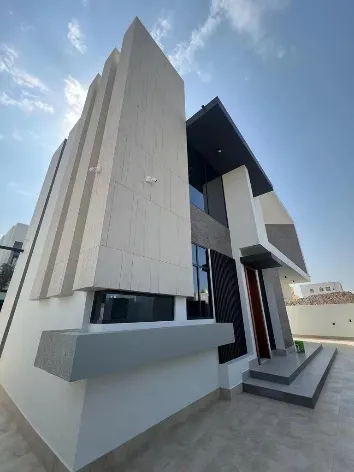
At the end of the day, Coloria's global MCM flexible cladding stone wall panel supplier network is about more than materials. It's about empowering architects, contractors, and property owners to tell their stories through the spaces they create. Whether it's a family home that feels safe and welcoming, a commercial building that inspires innovation, or a public space that brings communities together, Coloria's role is to provide the tools—and the support—to make those stories a reality.
As a one-stop architectural solution provider , they understand that every project is unique, and they pride themselves on adapting to meet those unique needs. From the deserts of Saudi Arabia to the cities of Europe, from residential homes to sprawling commercial complexes, Coloria's network is a testament to what's possible when expertise, quality, and a customer-centric approach come together.
So, the next time you walk past a building that catches your eye—whether it's a sleek commercial tower with a curved stone facade or a cozy home with warm, inviting interiors—take a moment to appreciate the materials that brought it to life. Chances are, there's a story behind those walls, and odds are, Coloria was part of writing it.
Recommend Products











