
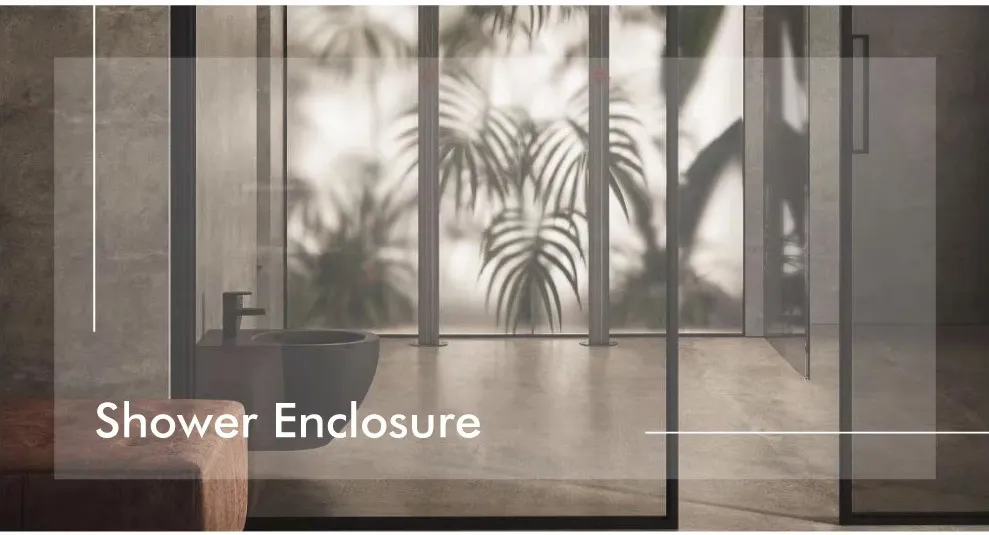
Picture yourself stepping into a shower enclosure anywhere in the world. While the fundamental purpose remains constant, the technical specifications and design preferences vary dramatically across regions. These differences aren't just aesthetic choices - they reflect deep-seated cultural practices, environmental realities, economic factors, and evolving technological landscapes.
At Coloriagroup, we've observed how these preferences translate into tangible decisions from materials selection to digital integration - influencing everything from water efficiency in drought-prone areas to space optimization in compact urban dwellings.
Shower spaces serve as microcosms of broader societal values. In North America, the preference leans toward spacious, multi-functional designs that serve as personal retreats. European markets prioritize water conservation due to strict environmental regulations. Across Asia, high-density urban living drives innovation in compact designs.
Nowhere are these differences more apparent than in water management technologies:
Glass technology showcases fascinating regional distinctions. While European markets have widely adopted self-cleaning nano-coatings, North American consumers demonstrate stronger preference for textured privacy glass. Southeast Asian markets exhibit growing demand for blue-light filtering shower screens designed to counter humid climate impacts on glass surfaces.
Frame materials reflect both practical and cultural dimensions:
| Region | Preferred Frame Material | Key Driver |
|---|---|---|
| Scandinavia | Thermally-broken aluminum | Energy efficiency in cold climates |
| Mediterranean | Stainless steel with anti-corrosion | Humidity resistance |
| Japan/Korea | Minimal framing | Aesthetic preference for clean lines |
| Middle East | Brushed gold finishes | Cultural luxury associations |
The smart bathroom revolution manifests differently across the globe:
Cultural norms around bathroom privacy shape design fundamentally:
In Northern Europe, fully transparent enclosures remain popular despite open-plan bathrooms. Contrast this with Middle Eastern markets where 87% of shower enclosures feature semi-opaque or patterned glass. In Japan, space efficiency drives folding partition designs that disappear when not in use.
The global architectural renaissance leaves its mark on shower enclosures:
Walk-in versus curb designs reveal fascinating regional patterns. Barrier-free shower designs see 63% adoption in Scandinavian aging populations versus only 28% in U.S. markets where traditional thresholds remain preferred.
Environmental considerations increasingly guide technical choices:
| Technology | Primary Adoption Regions | Environmental Benefit |
|---|---|---|
| Water recycling systems | Australia, UAE, California | Reduces consumption by 75-90% |
| Solar-powered water heating | Mediterranean, South Africa | Energy reduction 50-70% |
| Recycled glass doors | Germany, Canada, Netherlands | 90% post-consumer materials |
| Biofilm-resistant coatings | Tropical regions | Reduces chemical cleaning needs |
We're seeing convergence in three key areas:
1. Hybrid Designs - Western water conservation technologies merging with Asian compact space solutions
2. AI Integration - Learning algorithms adjusting water parameters by regional usage patterns
3. Modular Systems - Growing standardization with regional customization layers
Understanding these regional technical preferences isn't just academic - it shapes innovation pathways and market strategies. As populations age, urbanize, and face greater environmental constraints, the shower enclosure will continue evolving as a reflection of cultural identity and technological response.
Recommend Products












