
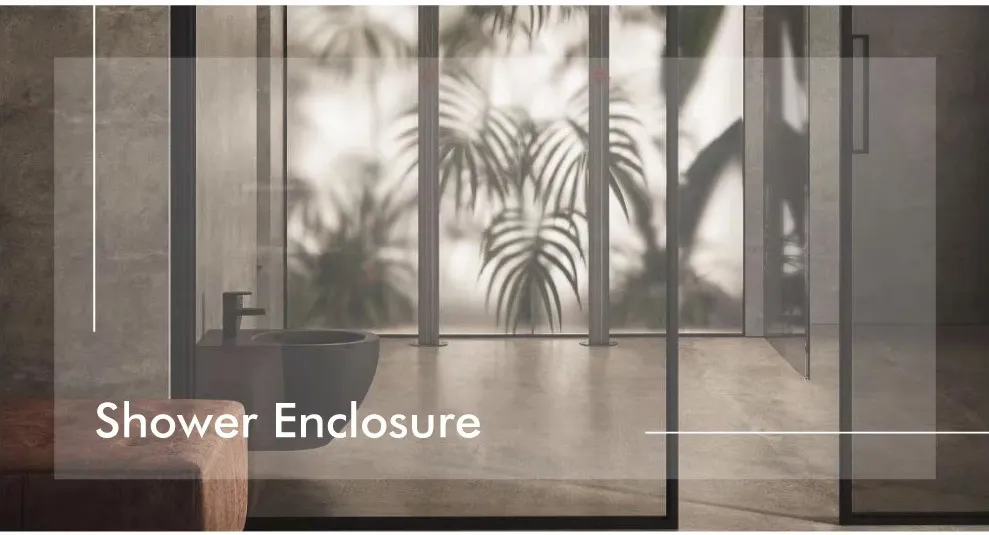
Walking into a beautifully designed bathroom, your eyes are immediately drawn to that sleek glass enclosure framing the shower space. It looks simple enough - glass panels, metal fittings, and a sliding door mechanism. But beneath that elegant surface lies a world of complex safety standards that vary dramatically from country to country. For global buyers sourcing shower enclosures across international markets, understanding these regulatory differences isn't just good business - it's a matter of user safety, liability protection, and long-term product viability.
As manufacturers and consumers increasingly operate in interconnected global markets, the fractured landscape of safety regulations presents one of the most persistent challenges. We're not just talking about minor variations in measurement standards - we're looking at fundamentally different approaches to glass thickness requirements, door mechanisms, slip prevention, water pressure testing, and material specifications. These differences didn't emerge randomly; they developed from unique national histories, environmental concerns, and safety priorities that create today's complex compliance puzzle.
The fascinating divergence in shower enclosure regulations worldwide isn't arbitrary - it reflects the same geopolitical, environmental, and societal factors that the World Economic Forum notes as driving global fractures. Just as health systems have evolved differently in response to localized challenges, bathroom safety standards developed in response to regional priorities and historical incidents:
Countries like Australia developed rigorous waterproofing standards partly in response to extreme weather patterns. Their regulations emphasize comprehensive sealing systems to prevent water damage to homes in flood-prone regions. Meanwhile, Scandinavian countries created standards focusing on thermal efficiency for their freezing temperatures, requiring materials that maintain heat within the enclosure.
The push toward environmentally friendly materials has significantly influenced safety standards. Toughened safety glass manufacturing requires specific minerals whose sourcing falls under sustainability regulations. The rise of polyurethane components (a key keyword from our third source) exemplifies this balance - offering superior waterproof capabilities while meeting strict chemical composition requirements that vary between the EU and Asian markets.
The evolution of US shower enclosure standards tells a revealing story. After a series of high-profile accidents involving shattered glass panels in the 1990s, the American National Standards Institute implemented rigorous fragmentation testing requirements. European standards developed differently after research showed more injuries occurred from slipping than glass breakage, leading to greater emphasis on slip-resistant flooring requirements.
These diverging paths have created an environment where a shower enclosure passing certification in one market might face serious compliance issues when entering another. For global buyers, this isn't just a paperwork challenge - it represents genuine safety risks and significant financial liability.
The EU's approach to shower enclosure safety might seem bureaucratic at first glance, but it emerges from a profound commitment to universal accessibility and comprehensive material testing. The EN 14428 standard operates on three core pillars:
The CE marking system represents more than just compliance - it signals that a product meets safety, health and environmental protection standards throughout the European Economic Area. For global buyers, it's essential to verify valid certification documentation rather than assuming CE-marked products automatically meet all requirements.
While European standards focus on accessibility, North American regulations prioritize impact resistance and structural stability. The ANSI Z124.1.2 standard emphasizes:
What many global buyers overlook is the variance between US and Canadian standards. While they share similarities, Canadian requirements include additional cold climate testing and stricter installation guidelines for earthquake-prone regions.
The Asia-Pacific region represents perhaps the most complex regulatory landscape, with standards evolving rapidly alongside economic development:
For shower enclosures in humid Southeast Asian markets, the integration of polyurethane components has become essential for maintaining waterproof seals over time. The material's durability in moist environments makes it superior to rubber alternatives that degrade more rapidly.
One regulatory element that cuts across all markets but receives insufficient attention is proper water management. This isn't just about preventing puddles in your bathroom - it's about structural safety. Water leaking through enclosures causes:
Global buyers must ensure shower enclosures incorporate comprehensive waterproofing systems - from properly designed base trays to vertical seal configurations that prevent water escape even when doors aren't perfectly aligned after years of use.
Just as healthcare systems face calls for innovative funding models, the shower enclosure industry requires innovation in both materials and compliance approaches. The fractured regulatory landscape doesn't have to create barriers - it can drive positive innovation:
Leading manufacturers now develop enclosure systems with modular components that can be configured to meet different market requirements. A base frame that meets UK standards can integrate thicker glass for US compliance or alternative jointing systems for Japanese earthquake requirements without fundamental redesign.
Several innovators have developed cloud-based platforms allowing buyers to input target markets and receive customized compliance checklists. These digital tools automatically flag regulatory conflicts and suggest certification-ready configurations.
The move toward sustainable building materials is yielding surprising safety benefits. New laminated glass options provide enhanced impact protection while meeting environmental requirements. Recycled aluminum alloys now offer equivalent structural stability to virgin materials, satisfying circular economy standards without compromising safety.
After navigating the complex landscape of international shower enclosure regulations, the path forward becomes clearer. Here's your practical approach:
The fractured global regulatory landscape creates challenges - but also opportunities for buyers who invest in understanding these differences. By approaching shower enclosure safety with the same diligence as other building components, global buyers can create safer bathrooms while avoiding costly compliance issues.
The shower enclosure regulation journey offers a microcosm of the global challenges highlighted in recent World Economic Forum reports. Just as healthcare systems must innovate in response to funding limitations and shifting demographics, the building materials sector must adapt to increasingly fragmented regulatory environments.
The good news? This adaptation is happening through innovative materials like advanced polyurethane formulations that meet diverse chemical standards while providing superior waterproof performance. The industry's embrace of digital compliance tools and modular designs shows how technology can bridge regulatory divides. And growing international cooperation around sustainability standards suggests we might eventually see greater alignment in safety regulations.
For today's global buyers, the key lesson is that safety regulations for seemingly simple products like shower enclosures reflect profound differences in national priorities, environmental challenges, and historical contexts. Understanding these differences isn't just about paperwork - it's about respecting regional values while ensuring user safety in bathrooms worldwide.
Recommend Products












