
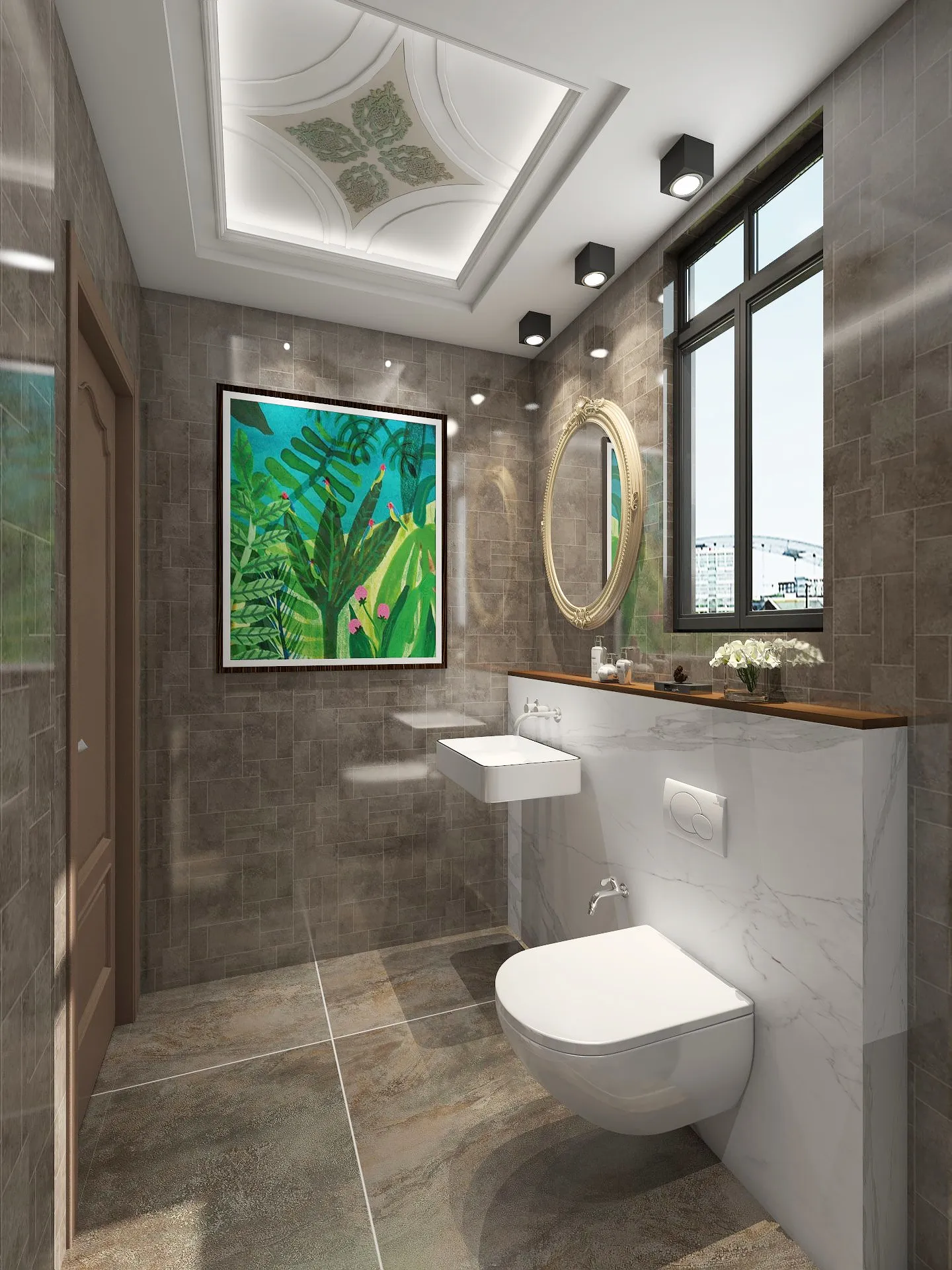
Picture your bathroom transformed - no longer just a functional space but a gallery where water meets wonder. Geometric art basins have emerged as the unexpected stars of modern interior design, turning utilitarian fixtures into jaw-dropping sculptural installations. They're not just sinks; they're conversation pieces that blur the line between bathroom fixture and modern art. These angular marvels challenge everything we thought we knew about bathroom design, proving that geometry isn't just for math class anymore.
What makes these geometric basins so captivating? It's the way they play with light, shadow, and negative space. Unlike traditional oval or round basins, geometric designs create intentional voids and planes that catch the eye. They turn the simple act of washing hands into an almost ritualistic experience, where you're not just cleansing but interacting with a three-dimensional masterpiece. As designer Elena Torres puts it, "When a basin makes you pause before using it, you know you've successfully merged utility with art."
Remember when bathroom fixtures were purely practical? Those days feel as outdated as avocado-green tile. The evolution of washbasins from mere utility to artistry mirrors our cultural shift toward personal sanctuaries. Bathrooms have graduated from being tucked-away necessities to becoming extensions of our living spaces - places where design matters as much as function.
This transformation accelerated when architects began treating bathrooms as experiential spaces rather than service rooms. Suddenly, the humble basin became a focal point rather than an afterthought. Pioneering designers experimented with asymmetrical forms inspired by natural landscapes - think stone basins echoing river-smoothed boulders or angular concrete creations recalling mountain cliffs. The breakthrough came when manufacturers realized basins could be both functional and sculptural - technological advances in materials and manufacturing made once-impossible designs achievable.
Modern geometric basins owe their existence to material innovations that blend aesthetics with practical needs. Designers now choose from an evolving palette:
Lightweight yet durable materials like Corian allow for gravity-defying shapes while reducing environmental impact. Their non-porous surfaces resist stains and bacterial growth naturally.
A hybrid material combining natural stone particles with polymers, enabling impossibly thin yet sturdy geometric forms with dramatic veining patterns.
Brass and copper geometric basins develop a unique patina over time, adding warmth to minimalist spaces while creating stunning light reflections.
No longer limited to white, ceramics now appear in moody matte blacks, deep emeralds, and iridescent finishes that change color with lighting conditions.
The sustainability angle can't be ignored. Over 75% of leading manufacturers now utilize recycled materials or low-carbon production methods. As eco-conscious designer Marco Jensen notes, "There's something poetic about a basin made from repurposed materials becoming the centerpiece of someone's daily cleansing ritual."
What separates a true geometric art basin from a mere angular sink? Master craftsmen follow core design principles:
Intentional Imbalance : Rather than perfect symmetry, compelling designs often feature calculated asymmetry. A triangular basin might have one dramatically elongated point; a hexagonal form might appear subtly distorted to catch light uniquely.
Negative Space Integration : Geometric basins masterfully incorporate the voids around them. The space between the basin and countertop or wall becomes part of the composition, especially with floating installations.
Texture Play : Contrasting textures elevate geometric forms - imagine a basin with polished angular corners meeting a matte-textured bowl interior. These tactile contrasts invite touch.
Functional Geometry : Every angle serves both aesthetic and practical purposes. Steeper sides prevent splashing; wider corners provide natural soap resting spots; angular overhangs create convenient fingertip grips.
Beyond their stunning looks, geometric basins offer surprising practical advantages:
Space Optimization : Triangular corner basins maximize tight spaces; elongated rectangles work wonders in narrow powder rooms; tiered geometries add functional layers where surface area is limited.
Clever Hydraulics : Angular designs naturally direct water flow, reducing splash. Advanced drainage systems hidden within planes create virtually silent operation - no more roaring drain sounds during midnight bathroom visits.
Easy-Clean Surfaces : Nano-glaze coatings create surfaces so smooth that mineral deposits and soap scum can't adhere. A simple rinse maintains that gallery-fresh appearance.
The integration of smart technology in high-end artistic basin designs has redefined luxury. Picture a geometric basin that lights its own planes when you approach at night, or one with built-in UV sterilization cycles that activate post-use. These aren't future concepts - they're available now in forward-thinking designs.
Positioning a geometric basin requires careful choreography. Master installers approach each installation as an art director would:
Lighting Design : Strategic LED strips along specific planes transform a passive basin into a glowing sculpture at night. Temperature-controlled lighting can shift from cool morning whites to warm evening golds.
Wall Interaction : Wall-mounted basins might appear to float against matte textured backdrops, creating dramatic shadow plays. Recessed mounting systems become invisible collaborators in the illusion.
Complementary Elements : Minimalist angular taps extend the geometric language; semicircular mirrors soften harsh angles; contrasting circular vessels add visual tension.
Industrial designer Raj Patel explains, "Installing a geometric basin isn't about plumbing - it's about spatial composition. We become choreographers of form and function."
These sculptural basins are transforming commercial spaces too:
Boutique Hotels : Angular black stone basins become signature elements in luxury suites, photographed more frequently than beds
Fine Dining : Geometric copper basins in restrooms extend a restaurant's design narrative, surprising guests with unexpected artistry
Gallery Spaces
Corporate Luxury
: Executive washrooms feature company-branded basin designs turning functional spaces into brand experiences
Geometric basin designs often draw from rich cultural traditions:
Islamic Patterns : Complex geometric basins reference centuries-old mosaic traditions with modern materials
Japanese Minimalism : Asymmetric concrete forms embody wabi-sabi principles, celebrating imperfection
Nordic Influence : Angular white basins with minimalist lines reflect Scandinavian functionalism
African Textures
Contrary to expectations, maintaining geometric basins is surprisingly straightforward:
• pH-neutral cleaners preserve finishes longer than abrasive formulas
• Quick-release drain mechanisms simplify deep cleaning
• Microfiber cloths follow angular planes effectively
• Monthly mineral deposit removal prevents buildup in crevices
• Avoid placing cosmetics directly on surfaces to prevent staining
Next-generation geometric basins are already evolving:
Responsive Materials : Surfaces that change texture or color based on water temperature
Integrated Wellness : Basins with built-in aromatherapy diffusers or sound therapy features
Water Conservation : Geometric designs that naturally aerate water flows, reducing consumption
Customizable Tech : App-controlled lighting that transforms appearance based on mood or time of day
Recommend Products












