
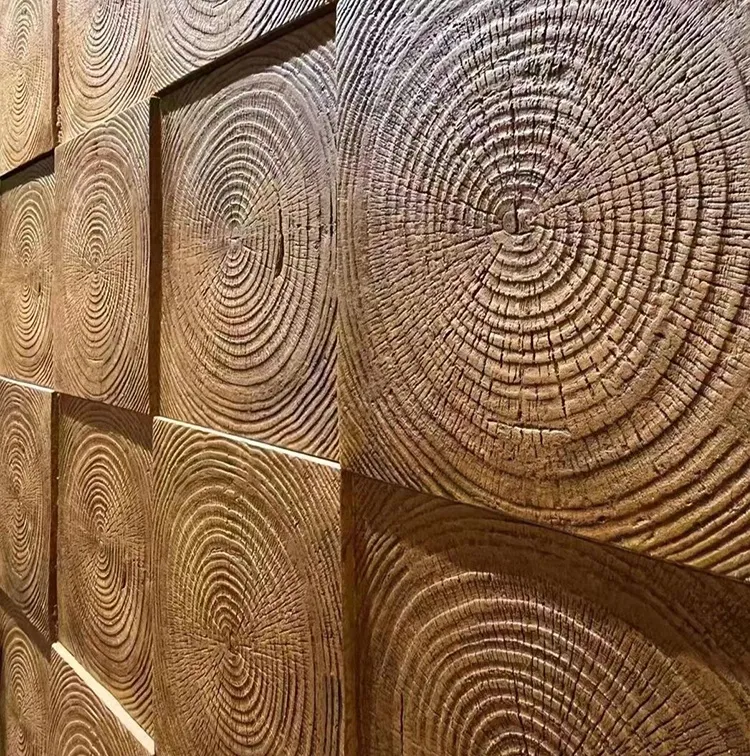
That rich coffee stain on your oak table? The mysterious mark on your beloved walnut cabinet? We've all been there. What if I told you that the secret to restoring your wood's beauty isn't harsh chemicals, but understanding its very soul - the story written in its grain? Annual ring wood holds generations of history in its unique patterns, and learning to care for it gently unlocks natural beauty even the finest furniture showroom can't replicate.
Core Insight: Gentle cleaning isn't just maintenance—it's archeology . You're unearthing the unique narrative of each growth ring without damaging the parchment of time.
Think of wood grain like fingerprints. That stunning cathedral pattern in your oak flooring? That's years of growing seasons expressed in cellulose and lignin. Harsh cleaners don't just strip dirt—they erase history. Picture using steel wool on an antique manuscript! Gentle cleaning preserves these natural archives:
Pro Tip: Test cleaning solutions on inconspicuous areas. Your wood might "whisper" what it needs—some species like walnut absorb liquids differently than maple!
Forget commercial sprays loaded with silicones. Your secret weapons are probably already in your pantry:
Olive Oil & Vinegar Mix (1:4 ratio): The vinegar cuts grease while olive oil conditions. Apply with ultra-soft bamboo cloth using circular motions following the grain direction. Like petting a cat—go with the "fur" of the wood!
Baking Soda Paste: For stubborn spots. Make a paste with water, apply gently with fingertip, let sit 5 minutes, then wipe with damp cloth. Works because baking soda is slightly alkaline—just enough to lift stains without scratching.
Black Tea Brew: Cold-brewed tea adds subtle tannins that deepen grain visibility on lighter woods. Apply with cotton pad for 2 minutes before gentle wipe-down.
Texture isn't just visual—it's tactile memory. Running your hand over pronounced annual rings connects you to decades of growth. Here's how to enhance that texture safely:
Science Note: Wood grain texture comes from alternating densities in growth rings. Denser latewood forms ridges, softer earlywood creates valleys. Gentle techniques highlight this natural topography.
Traditional sanding can flatten grain. Instead:
This coaxes out texture rather than force-creating it. You'll notice grit catches more on denser latewood, naturally accenting ridges.
Oils penetrate earlywood more deeply, creating contrast:
Linseed Oil: Soaks into porous earlywood but stays on ridge tops. Apply thin coats with lint-free cloth, waiting 12 hours between applications. After third coat, grain develops holographic depth.
Tung Oil Cocktail: Mix 3 parts tung oil with 1 part citrus solvent. Apply with brush then "hand-rub" after 10 minutes using circular motions. Creates warm luminosity in ring patterns without artificial shine.
Kitchen Secret: Add a pinch of turmeric to oil mixtures for golden tones that make oak or ash grain glow. Acts as natural dye!
Annual rings store memories of droughts, storms, and sunny years. That's why protecting them needs more than surface tricks:
Pro Monitoring Tip: Place dried beans near wood pieces. If they crackle or become brittle, humidity's too low!
Got a scratch crossing multiple rings? Instead of sanding:
This preserves natural texture while hiding damage. Bonus - smells amazing!
High-moisture areas need special care. For bathrooms, consider waterproof laminate flooring accents in key areas—a practical solution that protects vintage wood pieces.
Expert Note: In humid environments like bathrooms, teak and white oak handle moisture best due to tight grain structures. Their annual rings have less dramatic texturing but greater durability.
For moisture-flattened grain:
This re-swells compressed grain without water damage. Texture returns to about 80% of original depth.
When you clean that table tomorrow morning, feel the summer of '03 beneath your cloth. Notice how the crowded rings from the dry years stand slightly prouder. This isn't housework—it's time travel through touch.
Those annual rings? They've weathered storms and soaked sunshine long before you arrived. By cleaning gently and enhancing texture thoughtfully, you don't just preserve wood—you honor generations of quiet growth. And as you run your hand across those ridges tomorrow, you'll feel life's persistence humming beneath your fingertips.
Final Wisdom: The most beautiful wood grain texture comes from what isn't done to it. When in doubt—touch lightly, observe closely, and let the wood's natural story emerge.
Recommend Products












