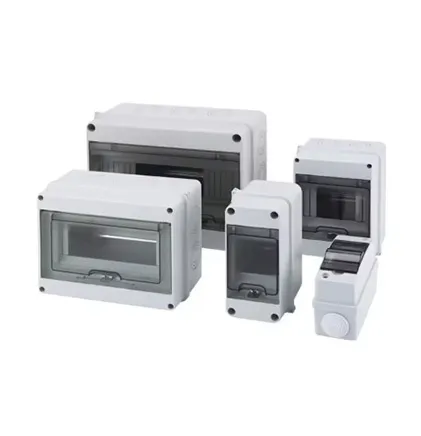
How a leading building material supplier is bridging the gap between sustainable energy and modern construction—one project at a time.
The Renewable Energy Revolution in Construction: Why Every Project Needs Smart Power Management
Across the globe, the push for greener, more energy-efficient buildings isn't just a trend—it's a necessity. With governments, businesses, and communities rallying behind net-zero goals, the construction industry stands at the forefront of this movement. Think about it: buildings account for nearly 40% of global energy consumption, and a huge chunk of that comes from inefficient power management. That's where renewable energy sources like solar, wind, and geothermal come into play. But here's the thing—installing solar panels or wind turbines is only half the battle. To truly unlock their potential, you need a central hub that can intelligently distribute, store, and monitor that energy. Enter the
generator power distribution box: the unsung hero of renewable energy integration in construction.
As a
one-stop architectural solution provider with deep roots in the Middle East, we've seen firsthand how the right electrical infrastructure can transform a building from a passive energy user to an active contributor to sustainability. In markets like Saudi Arabia, where the sun blazes year-round and the government's Vision 2030 prioritizes both energy independence and environmental stewardship, the demand for integrated renewable energy solutions has never been higher. Whether it's a residential complex aiming to reduce utility bills or a commercial skyscraper striving for LEED certification, the
generator power distribution box is the critical link that makes it all possible.
Let's break it down simply: when you install solar panels on a building's roof, they generate DC electricity. But most appliances and systems in a building run on AC power. Plus, energy production fluctuates—more on sunny days, less on cloudy ones. A standard electrical panel might handle basic distribution, but it can't manage the variability of renewable sources or optimize energy flow between generation, storage (like batteries), and consumption. That's where a specialized
generator power distribution box steps in. It acts as the "traffic controller" of the building's energy ecosystem, doing three key things:
1. Seamless Integration:
Connects renewable energy sources (solar panels, wind turbines) with backup generators and the main grid, ensuring a steady power supply even when renewables fluctuate.
2. Smart Monitoring:
Tracks energy production, usage patterns, and system health in real time, allowing for adjustments that maximize efficiency.
3. Safety & Compliance:
Protects against overloads, short circuits, and voltage spikes—critical in regions like Saudi Arabia where extreme temperatures can stress electrical systems.
For example, imagine a luxury villa in Riyadh equipped with Coloria's solar panels (part of our extensive lineup) and a custom
generator power distribution box. On a typical summer day, the solar panels generate more energy than the villa needs. The
distribution box automatically diverts the excess to recharge batteries or even feed it back into the grid (if net metering is available). When evening falls and solar production drops, the box switches to the backup generator or stored battery power, ensuring the air conditioning, lighting, and smart home systems never skip a beat. It's this kind of seamless, intelligent management that turns "green building" from a buzzword into a daily reality.
Coloria's Approach: More Than Just a Building Material Supplier—A Partner in Sustainable Construction
As a
Saudi Arabia building materials supplier with decades of experience, we've never believed in "one-size-fits-all" solutions. Every construction project has unique energy needs, especially when renewable integration is involved. That's why our approach to generator power distribution boxes is rooted in three core principles: integration, customization, and sustainability. Let's dive into how each of these plays out in real-world projects.
1. Integration: From Solar Panels to Switchboards—A Single Source for All Energy Needs
One of the biggest headaches for contractors and project managers is coordinating between multiple suppliers: one for solar panels, another for electrical systems, a third for backup generators. This fragmentation leads to delays, communication gaps, and mismatched components that hurt efficiency. As a
one-stop architectural solution provider, we eliminate this hassle by offering everything from the solar panels on the roof to the
generator power distribution box in the basement—and every wire, fitting, and fixture in between.
Our means we can design a fully integrated energy system where each component is engineered to work with the others. For instance, our solar panels (rated for Saudi's high UV exposure) are paired with a
generator power distribution box that's pre-programmed to optimize their output. Our electrical are selected for minimal energy loss, and our batteries (part of our sustainable products line) are sized to match both the solar array and the building's typical consumption patterns. It's like building a puzzle where every piece is made to fit—no forcing, no gaps, no compromises.
2. Customization: Tailored Solutions for Residential and Commercial Projects
A hospital in Jeddah has very different energy needs than a boutique hotel in Dubai or a residential complex in Riyadh. Hospitals require 24/7 uninterrupted power, with critical systems that can't tolerate even a second of downtime. Hotels, meanwhile, prioritize guest comfort and energy cost savings. Our generator power distribution boxes are designed to adapt to these unique requirements.
|
Project Type
|
Key Energy Needs
|
Custom Distribution Box Features
|
|
Residential (Luxury Villas)
|
Balanced power for AC, appliances, smart home systems; battery backup for outages
|
Smart home integration, battery management, mobile app monitoring
|
|
Commercial (Office Buildings)
|
Peak load management, energy efficiency for lighting/HVAC, grid-tie capability
|
Load shedding controls, peak shaving algorithms, grid synchronization
|
|
Healthcare (Hospitals)
|
Redundant power paths, priority circuits for life-saving equipment
|
Dual-source input (grid + generator), automatic transfer switches, fail-safe alarms
|
|
Hospitality (Resorts)
|
High seasonal variability, guest comfort systems, renewable integration
|
Modular design for scaling, solar-thermal integration, energy storage optimization
|
Take, for example, a recent project: a 500-bed hospital in Dammam. The client needed a system that could handle the hospital's massive energy demand (think MRI machines, operating theaters, ICU monitors) while reducing reliance on the grid. We supplied not just the
generator power distribution box but also the solar panels, batteries, and backup generators. The
distribution box was programmed to prioritize critical circuits—like the ICU and emergency room—during power outages, ensuring patient safety. It also integrated with the hospital's building management system to track energy usage by department, helping administrators identify areas to cut waste. The result? A 30% reduction in grid dependency and a system that's now a model for healthcare sustainability in the region.
3. Sustainability: Building for the Planet and Saudi's 2030 Vision
Saudi Arabia's Vision 2030 isn't just about economic diversification—it's a commitment to a more sustainable future, with goals like increasing renewable energy capacity to 50% by 2030 and creating jobs in green sectors. As a company deeply rooted in the Saudi market, we're proud to align our products with these objectives. Our generator power distribution boxes are part of our broader sustainable products lineup, which includes everything from energy-efficient lighting to low-carbon building materials.
How do we ensure our distribution boxes are "green"? For starters, we use high-quality, durable materials that extend the system's lifespan—reducing the need for replacements and cutting down on waste. Many of our models also feature smart load management that minimizes energy waste, directly supporting Saudi's "" (dual carbon goals). But sustainability isn't just about products; it's about people too. Through our programs, we're training a new generation of Saudi engineers and technicians skilled in renewable energy integration—creating local jobs and building capacity for the future.
Real-World Impact: Case Studies from Saudi Arabia's Construction Boom
Numbers and features tell part of the story, but real projects show the impact. Let's look at two recent that highlight how our generator power distribution boxes are making renewable energy integration easier, more efficient, and more reliable in Saudi Arabia.
Case Study 1: King Abdullah Economic City (KAEC) Residential Complex
KAEC is one of Saudi Arabia's most ambitious urban development projects, designed to be a model of sustainability and innovation. When the developers approached us to supply materials for a 2,000-unit residential complex, their priority was clear: make the community as energy-independent as possible, with minimal reliance on the grid.
Our solution? A combination of solar panels (over 10,000 square meters of them), lithium-ion batteries, and custom generator power distribution boxes for each building block. Each
distribution box was programmed to manage the solar array, batteries, and a small backup generator. Here's how it worked: during the day, solar power fed the apartments' lighting, AC, and appliances. Excess energy charged the batteries. At night, the batteries powered the complex until early morning, when the grid took over (or the generator, if needed).
Results:
The complex now meets 65% of its energy needs through solar power, reducing residents' electricity bills by an average of 40%. The distribution boxes' smart monitoring feature also identified that common areas (like parking lots and hallways) were using 30% more energy than necessary—adjustments to lighting schedules cut this waste by half.
Case Study 2: Riyadh Office Tower (LEED Platinum Target)
A multinational corporation wanted its new Riyadh headquarters to be the first LEED Platinum-certified office building in the city. LEED certification requires strict adherence to energy efficiency standards, and a key part of that is renewable energy integration. The challenge? The tower's glass façade (another Coloria product:
architectural façade solutions) maximizes natural light but also increases cooling needs—creating high demand for electricity.
We supplied a centralized
generator power distribution box that a rooftop solar array, a trigeneration system (which produces electricity, heating, and cooling from natural gas), and the grid. The box's advanced algorithms balanced the energy sources based on real-time demand: solar during peak daylight, trigeneration for heating/cooling, and grid power as a backup. It also managed the building's smart lighting and HVAC systems, dimming lights when natural light was sufficient and adjusting AC settings based on occupancy.
Results:
The tower achieved LEED Platinum certification, with energy use intensity (EUI) 35% lower than the national average for office buildings. The client estimates the system will pay for itself in energy savings within 7 years.
Looking Ahead: Powering Saudi Arabia's 2030 Vision and Beyond
The future of construction in Saudi Arabia is bright—and sustainable. With Vision 2030 driving investments in renewable energy, green building, and, the demand for integrated solutions like generator power distribution boxes will only grow. At Coloria, we're not just keeping up with this trend—we're helping shape it.
Our commitment to Saudi Arabia goes beyond supplying materials. We're investing in R&D to develop even smarter distribution boxes that can integrate with emerging technologies like AI-driven energy management and vehicle-to-grid (V2G) systems (where electric cars act as mobile batteries). We're also expanding our capabilities, partnering with Saudi manufacturers to produce key components—supporting the vision's goal of increasing local content in construction projects.
For contractors, developers, and project managers, the message is clear: renewable energy integration doesn't have to be complicated. With the right partner—one that offers not just products but expertise, integration, and a deep understanding of the local market—you can build projects that are greener, more efficient, and better aligned with Saudi's long-term goals. Whether you're working on a small villa or a mega-development, the
generator power distribution box is the cornerstone of that vision. And we're here to make sure it works seamlessly, from the first blueprint to the final switch-on.