
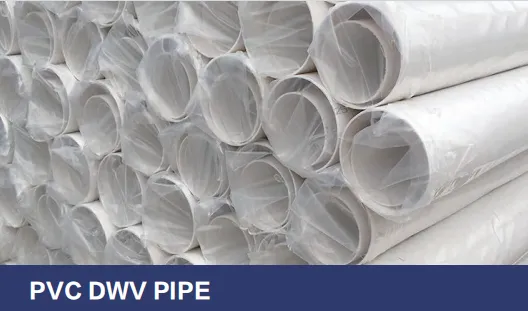
Walk into any modern building—whether it's a cozy family home, a bustling office, or a sleek hotel—and you'll likely notice the design details: the flooring, the lighting, the fixtures. But what about the parts you can't see? Behind those walls and under those floors lies a network of pipes that quietly keeps everything running: the drain-waste-vent (DWV) system. These pipes carry away wastewater, prevent harmful gases from seeping into living spaces, and ensure proper ventilation. And for decades, PVC (polyvinyl chloride) has been the material of choice for DWV systems, thanks to its durability, affordability, and resistance to corrosion. But as buildings become smarter, regulations stricter, and sustainability a top priority, the world of PVC DWV pipes is evolving—fast. Today, we're diving into the future of this critical infrastructure, exploring the trends shaping the industry, and uncovering what forward-thinking pvc dwv pipe supplier teams are investing in to stay ahead.
To understand where the industry is going, let's first appreciate where it stands. PVC DWV pipes have been a staple in construction since the mid-20th century, and for good reason. Unlike metal pipes, which rust, or clay pipes, which crack, PVC is lightweight, easy to install, and resistant to the chemicals found in wastewater. It's also cost-effective, making it accessible for projects of all sizes. But here's the thing: DWV systems are only as reliable as the materials and expertise behind them. A single leak or blockage can lead to water damage, mold growth, or even health hazards. That's why choosing the right pvc dwv pipe solutions isn't just a matter of cost—it's a decision that impacts the safety, efficiency, and longevity of a building.
In recent years, though, the industry has faced new pressures. Climate change is pushing for greener materials, urbanization is driving demand for high-rise and compact buildings, and technology is enabling smarter, more connected infrastructure. For pvc dwv pipe supplier companies, these challenges aren't just hurdles—they're opportunities to innovate. Let's break down the key trends reshaping the future of PVC DWV pipes and the investments suppliers are making to lead the charge.
If there's one word that's dominating every industry, it's "sustainability." And the construction sector is no exception. Governments worldwide are tightening regulations on carbon emissions, and builders are increasingly prioritizing eco-friendly materials to meet green building certifications like LEED or BREEAM. For PVC DWV pipes, this means rethinking everything from raw materials to manufacturing processes.
Traditional PVC production relies on fossil fuels, and while the material itself is long-lasting (which reduces replacement needs), the industry is under pressure to lower its carbon footprint. Enter recycled PVC. Leading suppliers are now investing in technologies to incorporate post-consumer recycled (PCR) content into their pipes without compromising strength or durability. Imagine a pipe made from recycled plastic bottles or construction waste—materials that would otherwise end up in landfills. Not only does this reduce reliance on virgin plastic, but it also cuts down on manufacturing emissions. One major pvc dwv pipe supplier recently announced a goal to use 30% PCR content in all their DWV pipes by 2028, and they're not alone. This shift isn't just about meeting regulations; it's about aligning with the values of architects, contractors, and homeowners who want to build responsibly.
But sustainability doesn't stop at production. End-of-life disposal is another focus. PVC is technically recyclable, but in practice, many old pipes end up in landfills because recycling facilities lack the infrastructure to process them. Suppliers are addressing this by partnering with recycling companies to create closed-loop systems. For example, some are offering take-back programs for old pipes, which are then cleaned, shredded, and repurposed into new DWV products. It's a win-win: less waste, lower costs, and a stronger reputation as a responsible supplier.
Gone are the days when "good enough" was sufficient. Today's buildings demand DWV systems that can handle more pressure, fit into tighter spaces, and last longer than ever before. That's why suppliers are pouring resources into advanced material science, developing PVC blends that push the limits of what's possible.
One breakthrough is the use of nano-additives—tiny particles that enhance the pipe's performance. For example, adding nanoclay to PVC improves its impact resistance, making the pipes less likely to crack during installation or in extreme temperatures. Other additives are being used to boost chemical resistance, ensuring the pipes can handle harsh cleaning agents or industrial wastewater in commercial settings. These innovations aren't just about making pipes stronger; they're about making them more versatile. A hospital, for instance, has different DWV needs than a residential home, and suppliers are creating specialized pvc dwv pipe solutions tailored to these unique demands.
Lightweighting is another area of focus. While PVC is already lighter than metal, reducing weight further can cut transportation costs, ease installation (especially in high-rise buildings where lifting heavy materials is a challenge), and lower labor expenses. Suppliers are experimenting with new extrusion techniques that create thinner walls without sacrificing strength. Imagine a pipe that's 20% lighter but just as durable as its predecessor—that's the kind of innovation contractors are getting excited about. It's not just about making installation faster; it's about reducing the physical strain on workers, which is a big deal in an industry facing labor shortages.
We live in a world where our phones can control our thermostats, and our refrigerators can order groceries. So why shouldn't our DWV systems be smart too? The rise of the Internet of Things (IoT) is transforming buildings into connected ecosystems, and PVC DWV pipes are getting in on the action. Suppliers are integrating sensors directly into pipes to monitor flow rates, detect leaks, and even predict blockages before they happen.
Here's how it works: Tiny, battery-powered sensors are embedded in the pipe walls or attached to fittings (often supplied by a trusted pipes fittings supplier ). These sensors collect data on temperature, pressure, and vibration, which is then sent to a cloud-based platform. Building managers can access this data in real time via a smartphone app or computer dashboard. If a sensor detects a sudden drop in pressure—a sign of a leak—it triggers an alert, allowing maintenance teams to address the issue before it escalates. For large buildings like hospitals or hotels, this can save thousands of dollars in water damage and repairs. It also reduces downtime; instead of waiting for a problem to become visible, teams can be proactive.
But smart pipes aren't just about monitoring—they're about optimization. Over time, the data collected can help identify patterns, like peak usage times or areas prone to blockages. This information can be used to design more efficient DWV systems for future buildings or to adjust maintenance schedules. For example, if data shows that a certain section of pipe in a hotel clogs frequently during conference season, managers can schedule preventive cleaning during those times. It's a level of insight that was impossible with traditional DWV systems, and it's changing how buildings are managed.
No two buildings are the same, so why should their DWV systems be? Today's architects and contractors are demanding solutions that fit the unique needs of each project, whether it's a historic renovation with limited space or a cutting-edge sustainable home with strict design requirements. This is driving suppliers to move beyond one-size-fits-all products and embrace customization and modular design.
Modular DWV systems are designed with pre-fabricated components that can be easily assembled on-site. Think of it like building with Lego blocks: pipes, fittings, and valves are engineered to connect seamlessly, reducing the need for custom cutting or welding. This not only speeds up installation but also minimizes errors. For example, a pipes fittings supplier might offer a range of modular elbows, tees, and adapters that snap together, ensuring a tight, leak-proof fit every time. This is a game-changer for projects with tight deadlines or complex layouts, like high-rise apartments where every inch of space counts.
Customization is also key. Suppliers are working closely with clients to create bespoke solutions, such as pipes with unique diameters, colors (for easy identification in large systems), or even surface textures that reduce noise. In multi-use buildings, for instance, noise from DWV pipes can be a nuisance—imagine hearing water rushing through the walls of a hotel room or apartment. To address this, some suppliers are developing sound-dampening PVC pipes with specialized liners that reduce noise transmission by up to 50%. These custom solutions aren't just about functionality; they're about enhancing the occupant experience.
Another area of customization is compatibility. DWV systems don't exist in isolation—they need to work with other components like valves and vents. That's why many pvc dwv pipe supplier companies are partnering with plastic valve system supplier experts to create integrated systems. By ensuring that pipes, fittings, and valves are designed to work together, they eliminate compatibility issues and streamline the installation process. It's a collaborative approach that benefits everyone: contractors save time, builders reduce costs, and occupants get a more reliable system.
| Feature | Traditional PVC DWV Pipes | Modern PVC DWV Solutions (by Leading Suppliers) |
|---|---|---|
| Material Composition | Virgin PVC, limited additives | Recycled PVC (up to 30% PCR content), nano-additives for strength/noise reduction |
| Installation Time | Manual cutting/fitting; longer (1-2 days for a small home) | Modular, pre-fabricated components; faster (4-6 hours for a small home) |
| Durability/Lifespan | 20-30 years (prone to cracking in extreme temps) | 50+ years (enhanced impact/chemical resistance) |
| Sustainability | Limited recycling options; higher carbon footprint | Closed-loop recycling programs, lower emissions, PCR content |
| Smart Features | None; manual monitoring only | IoT sensors for leak detection, flow monitoring, and data analytics |
| Customization | Standard sizes/colors only | Bespoke diameters, noise-dampening liners, color-coded systems |
So, how are forward-thinking pvc dwv pipe supplier companies turning these trends into reality? It all comes down to strategic investments—in people, technology, and partnerships.
1. Research and Development (R&D) Labs: The future of PVC DWV pipes is being built in labs, where scientists and engineers are testing new materials, additives, and designs. Major suppliers are pouring millions into R&D to develop pipes that are stronger, lighter, more sustainable, and smarter. For example, one supplier recently opened a state-of-the-art lab focused solely on recycled PVC formulations, aiming to increase PCR content while maintaining performance. These labs aren't just about creating new products—they're about solving real-world problems, like how to make pipes that can withstand the extreme temperatures of desert climates or the high humidity of coastal areas.
2. Manufacturing Innovation: To bring these new designs to life, suppliers are upgrading their manufacturing facilities. Automation is a big focus; robotic arms and AI-powered quality control systems are reducing human error and increasing production efficiency. 3D printing is also making waves, allowing for rapid prototyping of custom fittings and components. Instead of waiting weeks for a new mold, suppliers can print a prototype in hours, test it, and make adjustments on the fly. This speeds up the development process and makes it easier to meet small-batch customization requests.
3. Partnerships Across the Supply Chain: No supplier works in a vacuum. To deliver integrated pvc dwv pipe solutions , companies are partnering with pipes fittings supplier experts, plastic valve system supplier teams, and even technology firms specializing in IoT. These collaborations ensure that every component of the DWV system is designed to work together seamlessly. For example, a supplier might partner with a sensor company to embed monitoring technology directly into their pipes during production, rather than adding it later. This integration improves reliability and reduces costs.
4. Training and Education: Innovation means nothing if contractors and installers don't know how to use the new products. That's why suppliers are investing in training programs, workshops, and online resources to teach best practices for installing modern PVC DWV systems. Some even offer on-site training for large projects, sending experts to work alongside crews and answer questions. This not only ensures that the products are installed correctly but also builds trust between suppliers and their clients.
At the end of the day, the future of PVC DWV pipes isn't just about materials or technology—it's about partnership. Building a safe, efficient, and sustainable structure requires a pvc dwv pipe supplier that understands your project's unique needs, stays ahead of industry trends, and is committed to innovation. Whether you're a contractor working on a residential development, an architect designing a commercial space, or a homeowner planning a renovation, the choices you make today will impact the building for decades to come.
So, what should you look for in a supplier? Start by asking about their sustainability practices: Do they use recycled materials? Do they have a recycling program for old pipes? Next, inquire about their R&D efforts: Are they developing new solutions for smart buildings or modular design? Finally, check their track record of partnerships: Do they work with pipes fittings supplier and valve experts to offer integrated systems? The answers to these questions will tell you if they're ready to meet the challenges of tomorrow.
The future of PVC DWV pipes is bright, and it's being shaped by suppliers who see innovation as a journey, not a destination. As buildings become greener, smarter, and more unique, the DWV systems that support them will too. And in this evolving landscape, the suppliers who invest in sustainability, technology, and collaboration won't just survive—they'll lead. After all, when it comes to building the future, every pipe, fitting, and valve matters. And the right partner can make all the difference.
Recommend Products












