


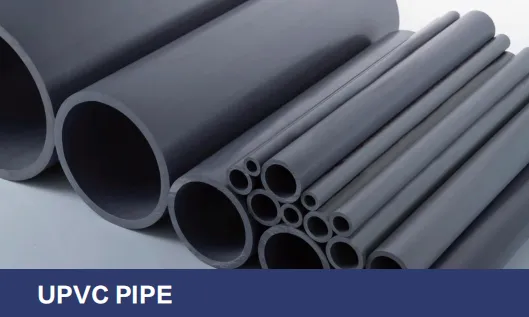
Walk into any construction site today, and you'll hear a lot of buzzwords: "sustainability," "smart design," "longevity." But amid all the chatter, there's one material that's quietly becoming the backbone of modern building projects: UPVC. Short for Unplasticized Polyvinyl Chloride, UPVC pipes have moved from being a niche choice to a go-to solution for contractors, architects, and homeowners alike. If you've ever worked with a UPVC pipe supplier , you've probably noticed the confidence they have in their product. But why? What makes UPVC so special, and why is it more than just a passing trend? Let's break it down—no jargon, just the facts.
First Things First: What Are UPVC Pipe Solutions, Anyway?
Let's start with the basics. UPVC is a type of plastic that's been "unplasticized," meaning it doesn't contain the flexible additives found in regular PVC. That might sound technical, but here's what it translates to: a material that's rigid, strong, and built to last. When we talk about UPVC pipe solutions , we're referring to pipes, fittings, and systems made from this material—designed to handle everything from water supply and drainage to industrial fluid transport.
Think of it this way: If regular PVC is the flexible yoga instructor of pipes, UPVC is the weightlifter. It's stiffer, more durable, and doesn't bend under pressure (literally). And unlike some other materials, it's resistant to the things that typically wear pipes down: corrosion, chemicals, and even extreme temperatures. But we'll get to that later.
5 Reasons UPVC Pipe Solutions Are Not Just a Trend—They're the Future
Trends come and go. Remember when everyone was obsessed with brass fixtures? Or when galvanized steel was the only "reliable" option? UPVC is different. Here's why it's sticking around:
1. Durability That Outlives the Building (Almost)
Let's talk about lifespan. A typical copper pipe might last 20-50 years if it's lucky. Galvanized steel? Maybe 20-30 years before rust takes over. UPVC? We're talking 50-100 years. That's not a typo. Because UPVC doesn't corrode, rust, or react with chemicals (like chlorine in water), it stays strong for decades. I once spoke to a building manager in Dubai who told me about a residential complex that installed UPVC pipes back in the 1990s. "We did a routine check last year," he said. "The pipes looked brand new. No leaks, no cracks, no buildup. We didn't even need to replace a single section." That's the kind of durability that makes UPVC pipe suppliers smile—and contractors breathe easier.
2. Cost-Effective Without the Compromises
Let's be real: Construction budgets are tight. Every dollar counts. So when a UPVC pipe supplier tells you their product is "cost-effective," you might wonder: Does that mean cheap and flimsy? Not at all. UPVC hits the sweet spot between upfront affordability and long-term savings.
Here's the breakdown: UPVC pipes are cheaper to produce than copper or stainless steel, so they cost less upfront. Installation is a breeze too—they're lightweight, so you don't need heavy machinery, and they connect with simple solvent cement (no welding or specialized tools). That cuts down on labor costs. And since they last so long, you'll spend next to nothing on repairs or replacements. Compare that to copper, which requires skilled welders and often needs replacing every few decades, and the savings add up fast.
3. Sustainability That Checks All the Green Boxes
These days, "sustainable" isn't just a buzzword—it's a requirement. Green building certifications like LEED and BREEAM are pushing projects to reduce their carbon footprint, and UPVC fits right in. Here's why:
- Recyclable: UPVC can be recycled up to 10 times without losing quality. Many UPVC pipe suppliers now use recycled materials in their production, closing the loop on waste.
- Energy Efficient: Making UPVC requires less energy than manufacturing metal pipes. For example, producing a meter of UPVC pipe uses 50% less energy than making a similar copper pipe.
- Low Maintenance, Low Impact: Since UPVC doesn't need frequent repairs or replacements, there's less waste over time. No need for harsh chemicals to clean or treat the pipes, either—simply wipe them down, and they're good to go.
4. Versatility for Every Project Under the Sun
UPVC isn't picky—it works everywhere. Whether you're building a small home, a hospital, a shopping mall, or an industrial plant, there's a UPVC pipe solution for you. Let's see:
Residential Plumbing: Perfect for water supply lines—resistant to scale buildup, so your showers and taps stay flowing strong.
Commercial Drainage: Ever heard of PVC DWV pipe ? That's Drain, Waste, Vent pipe—and it's often made from UPVC. It handles wastewater and sewage with ease, thanks to its smooth interior (no clogs!) and chemical resistance.
Hospitals and Schools: Cleanliness is key here, and UPVC doesn't harbor bacteria or mold. It's also easy to sanitize, making it ideal for environments where hygiene matters most.
Industrial Settings: From transporting acids to cooling fluids, UPVC stands up to harsh chemicals that would eat through metal pipes in no time.
5. Compliance and Safety You Can Trust
In construction, cutting corners on safety is never an option. The good news? UPVC pipe solutions are rigorously tested to meet international standards. Reputable UPVC pipe suppliers ensure their products comply with norms like ASTM D1785 (for water pipes) and DIN 8062 (for drainage), so you know they're safe for potable water and durable enough for heavy use.
And here's a bonus: UPVC is fire-resistant. While it's not completely fireproof, it has a high ignition temperature and doesn't spread flames easily—unlike some plastic alternatives. For projects where safety is non-negotiable (we're looking at you, schools and hospitals), that's a huge win.
How UPVC Stacks Up Against the Competition
Don't just take our word for it. Let's see how UPVC compares to other common pipe materials. We'll use real-world data from contractors and UPVC pipe suppliers to make it concrete:
| Material | Typical Lifespan | Upfront Cost (per meter) | Installation Complexity | Maintenance Needs | Sustainability |
|---|---|---|---|---|---|
| UPVC | 50-100 years | $5-$15 | Low (solvent cement, no special tools) | Minimal (occasional cleaning) | High (recyclable, low energy use) |
| Copper | 20-50 years | $20-$40 | High (requires welding, skilled labor) | High (prone to corrosion, scale buildup) | Medium (recyclable, high production energy) |
| PPR (Polypropylene Random Copolymer) | 25-50 years | $8-$20 | Medium (heat fusion needed) | Medium (can degrade in sunlight/chemicals) | Medium (recyclable, moderate energy use) |
| Galvanized Steel | 20-30 years | $15-$30 | High (heavy, requires threading) | Very High (rusts easily, needs frequent replacement) | Low (recyclable but high carbon footprint) |
The numbers speak for themselves. UPVC outperforms the competition in lifespan, cost, and ease of use—all while keeping sustainability in check. It's no wonder PPR pipe and fitting suppliers are even starting to recommend UPVC for projects where durability is key!
Real Talk from the Field: What Contractors and Suppliers Are Saying
Numbers are great, but let's hear from the people who use UPVC every day. Take Maria, a contractor who specializes in commercial builds in Jeddah: "I used to swear by copper pipes. Then, five years ago, a client insisted we try UPVC pipe solutions for a hotel project. I was skeptical—until we installed them. No leaks, no callbacks, and the maintenance team hasn't had a single issue since. Now, I recommend UPVC to all my clients. The UPVC pipe supplier we work with even offers custom fittings, so we never have to compromise on design."
Or consider Ahmed, who runs a UPVC pipe supplier business in Riyadh: "Demand has doubled in the last three years. Why? Because people are tired of paying for repairs. A homeowner once told me he spent $2,000 fixing a burst copper pipe in his basement. After switching to UPVC, he hasn't spent a cent in five years. That's the kind of story that spreads."
"UPVC isn't just a pipe—it's a promise. A promise that your building's plumbing will work tomorrow, next year, and in 50 years. That's why we're seeing more and more architects specify UPVC in their blueprints. They know it's reliable." — Ahmed, UPVC Pipe Supplier
The Future of UPVC: Innovations That Will Keep It Ahead of the Curve
If you think UPVC has peaked, think again. The industry is evolving fast, and UPVC pipe suppliers are constantly innovating. Here's what's on the horizon:
Smart Pipes: Imagine pipes with built-in sensors that detect leaks or blockages and send alerts to your phone. Some suppliers are already testing this tech, turning UPVC into part of the "smart building" ecosystem.
Eco-Friendly Additives: New formulations are making UPVC even more sustainable, with plant-based stabilizers and 100% recycled content.
Custom Designs: From ultra-thin pipes for tight spaces to large-diameter options for industrial use, UPVC is becoming more adaptable than ever. Need a pipe that bends around a unique architectural feature? A good UPVC pipe supplier can make it happen.
Final Thought: When It Comes to Pipes, UPVC Is the Safe Bet
At the end of the day, construction is about building for the future. You want materials that won't let you down, that save you money, and that align with the values of modern building—sustainability, safety, and efficiency. UPVC checks all those boxes. It's durable, affordable, versatile, and eco-friendly. And with innovations on the horizon, it's only going to get better.
So the next time you're planning a project, don't just go with the material your dad used or the one that's "always been done." Talk to a UPVC pipe supplier . Ask about their UPVC pipe solutions . Chances are, you'll walk away wondering why you didn't switch sooner.
Trends fade. UPVC? It's here to stay.










