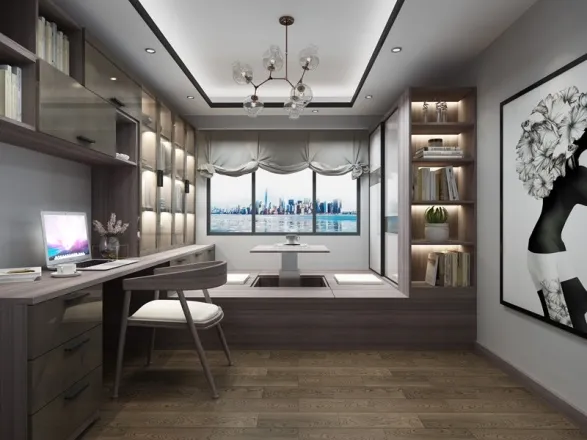
You know that cozy feeling when you step into a space that just feels
right
? That grounded, peaceful atmosphere where your shoulders relax the moment you enter? That's the magic woven into tatami mats. For centuries, these humble rice-straw mats have defined Japanese living spaces, but their appeal now transcends borders, becoming an
interior and exterior decoration material
that transforms modern homes worldwide.
It's fascinating how this traditional element has woven itself into such diverse cultural contexts. From minimalist Scandinavian apartments to Mediterranean-inspired villas, tatami has proven its chameleon-like ability to adapt while maintaining its soul-soothing essence. Let's explore this unexpected journey – how an ancient Japanese tradition became a global design phenomenon that makes homes breathe with natural warmth.
The Ancient Roots of Tatami
Picture ancient Japanese nobility walking shoeless across tightly-woven straw mats around 700 AD. That's where tatami's story begins – elevated from simple flooring to a status symbol measuring room dimensions. The classic 3:2 ratio mats determined room sizes ("8-tatami room") while their earthy scent mingled with wood smoke in aristocratic homes.
By the 17th century, tatami spread beyond nobility. Tea ceremonies demanded these mats – their springy texture cushioning kneeling practitioners, their subtle sheen reflecting candlelight. The meticulous craftsmanship became art: artisans alternating warp and weft strands to create patterns, stitching edges with indigo-dyed fabric that whispered stories in every stitch.
Cultural Adoption: More Than Just
Flooring
Tatami Meets Korea
Japan
The spiritual heartbeat remains strongest here. Traditional washitsu rooms feature tatami-only floors with distinct rules: never stepping on borders, never wearing shoes. The scent of rush grass instantly transports you to Kyoto temples. Contemporary designers reinterpret traditions with modular units adapting to modern apartments.
Korea
Ondol heating systems created a fascinating adaptation. Koreans installed tatami
over
heated floors – resulting in toasty-warm mats during harsh winters. This created a uniquely Korean hybrid: traditional mat craftsmanship combined with heated comfort. Today you'll find beautifully bordered tatami mats in minimalist Seoul apartments.
Western Fusion
Scandinavian designers fell in love with tatami's sustainable ethos. IKEA even introduced kid-sized tatami play mats! California architects blend tatami platforms with indoor-outdoor living, creating meditation zones that flow onto redwood decks. The shared appreciation for natural materials created this unlikely marriage of traditions.
Each adaptation proves tatami isn't just flooring – it's sensory therapy. Modern neuroscience confirms what traditional cultures instinctively knew: walking barefoot on natural textures reduces cortisol levels by 19% according to Tokyo University studies. This tactile experience becomes even more valuable in our screen-dominated lives, creating literal grounding in homes.
Design Alchemy: Tatami as Creative Catalyst
Texture Contrasts
Brazilian designers pair rough tatami edges with slick concrete walls – an unexpected textural duet that keeps spaces visually exciting.
Elevated Platforms
Tatami platforms create intimate conversation pits 8 inches above hard floors – perfect for book nooks overlooking gardens.
Vertical Elements
Cutting mats into strips creates wall panels that absorb sound while introducing pattern – a functional art installation.
Modern Material Fusions
Dutch artisans combine recycled PET bottles with rice straw – eco-friendly hybrids maintaining tatami's breathability.
"We don't just install tatami – we choreograph spatial poetry. A well-placed tatami platform alters how inhabitants move, sit, and connect – converting square footage into emotional experiences." – Kenzo Tanaka, Kyoto Design Studio
The psychological impact is profound. A Berkeley study tracking families who introduced tatami zones reported 74% felt increased daily contentment after 8 weeks. Participants described "islands of calm" where devices stayed outside boundaries, conversations deepened, and morning stretching rituals naturally evolved.
Practical Magic: Living with Tatami
Maintenance Myths Debunked
Many shy away fearing maintenance nightmares. But modern innovations changed the game: stain-resistant coatings now protect surfaces from wine spills, while anti-dust weaving techniques prevent allergen buildup. Simply vacuuming weekly and blotting spills promptly keeps mats pristine for decades.
Your Tatami Questions Answered
Can I install tatami over existing floors?
Absolutely! Platforms can be built over hardwood, tile, or vinyl using simple wooden frames. Ensure a moisture barrier if installing over concrete.
How pet-friendly is tatami?
Surprisingly resilient. Most pets dislike scratching the tight weave. For accidents, specialized enzymatic cleaners neutralize odors without damaging fibers.
Is humidity problematic?
Traditional mats require 40-60% humidity. In desert climates, innovative hemp-synthetic hybrids maintain integrity at 20% humidity.
Cost expectations?
Handmade Japanese mats run $50-$80/m². Sustainable factory-made alternatives start at $25/m². Consider it an investment – properly maintained mats last 15-20 years.
Global Inspirations: Tatami Reimagined
Creative applications keep emerging:
-
Bali villas using elevated tatami pavilions as "floating bedrooms" surrounded by lotus ponds
-
German minimalists creating convertible work-live spaces – tatami platforms by day transform into sleeping mats by night
-
California wineries designing tasting rooms with cushion-topped tatami counters encouraging lingering conversations
-
Parisian artists using stained tatami as canvas – indigo patterns evolving into abstract modern art pieces
The magic lies in tatami's quiet adaptability. Like clay in a potter's hands, this ancient material accepts modern imprints without losing its soulful character. Architects value its ability to visually "soften" industrial spaces, parents love its kid-friendly cushioning, while wellness seekers treasure its organic connection to nature.
This renaissance involves fascinating tensions too. Japanese craftsmen caution against "tatami theater" – shallow cultural appropriation that reduces mats to Instagram aesthetics without respecting their spiritual foundations. The most authentic fusion designs balance reverence with innovation – like Sydney's tea house where locally-sourced water reeds follow traditional weaving methods but form bold geometric shapes.
"Incorporating tatami feels like inviting ancestral wisdom into contemporary living. The mats teach us to slow down – you automatically settle into a more mindful posture. Children seem to absorb this physical calmness too." – Elena Rossi, Milan Homeowner
The Future Mat: Where Tradition Meets Tech
Smart Mats
Embedded sensors subtly monitor posture during meditation, connecting to apps that track your calming progress.
Hybrid Materials
NASA-inspired aerogel insulation sandwiched between woven layers creates space-efficient warmth for micro-apartments.
Circular Sustainability
Leasing programs reclaim old mats – fibers become compost, fabric borders get repurposed as art installations.
The ultimate beauty? Tatami transforms houses into responsive habitats rather than passive containers. Light shifts differently across woven surfaces as days pass. Morning dew smells dance across rooms. Underfoot texture shifts with seasonal humidity – creating a living dialogue between inhabitants and their environment. In our climate-controlled modern boxes, this sensory conversation often gets muted.
Beyond practical functions, these mats anchor us. Their woven lines echo traditional sand gardens, their earthy scent connects to forests, their cushioning embraces like ancestral arms. Perhaps that's the deepest fusion – not between cultures but between our frantic modern selves and the grounded beings we're meant to become. A quiet revolution unfolding one woven rectangle at a time.