


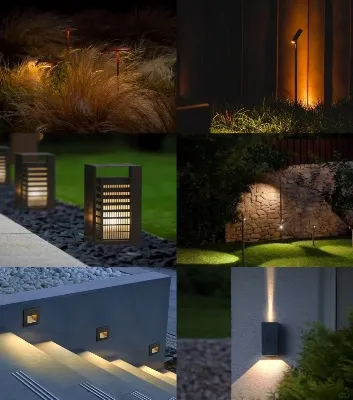
Your complete guide to protecting outdoor lights against nature's challenges
Picture your garden at twilight – soft glows highlighting pathways, gentle illumination accenting foliage, welcoming ambiance by your doorway. Now imagine those very lights failing after the first heavy rain or dust storm. That's where IP protection ratings become your garden lighting's secret superhero!
I'm going to walk you through everything you need to know about these crucial ratings in plain, jargon-free language. No engineering degree required – just practical advice to protect your landscape investments.
The Full Story Behind IP Ratings
IP stands for Ingress Protection (sometimes called International Protection). It's not just about keeping rain out – it's a complete sealing system rated on two fronts:
- First Digit : Solids protection (dust, insects, fingers)
- Second Digit : Liquids defense (rain, sprinklers, humidity)
Think of your lights like smartphones. Your kitchen phone? Maybe IP40. Your adventure-proof phone? IP68 territory. Outdoor lighting works the same way!
| Rating | Real Protection Level | Where It Works |
|---|---|---|
| IP44 | Splash-resistant | Covered porches, eaves |
| IP65 | Water jets & total dust proof | Open yards, garden beds |
| IP67 | Immersion up to 1m | Pond edges, flood-prone areas |
| IP68 | Continuous underwater use | Fountains, pool areas |
More Than Just Rating Numbers
Here's what manufacturers don't always tell you: A light can pass IP testing yet fail in your actual garden. Why?
- Thermal cycling – materials expand/contract with temperature changes
- UV degradation – sun damage to seals over time
- Chemical exposure – fertilizers or pool chemicals
Dust Protection Reality Check
Dust might seem harmless, but it's a stealthy destroyer:
- Silica dust abrades lens surfaces like sandpaper
- Fine particulates creep into switch mechanisms
- Pollen mixes with moisture creating corrosive sludge
For genuine dust protection, look for these material indicators:
- Silicone gaskets (not cheap rubber)
- Compression-sealed joints
- Stainless steel fasteners
Smart Placement = Longer Life
Near waterproof flooring or Patios
Mounted lights near waterproof flooring or tile installations face unique splash challenges:
- Water ricochets horizontally off hard surfaces
- Cleaning chemicals reach higher concentrations
- Recommended: IP65 minimum with downward-facing seals
Garden Bed Lighting
- Soil acidity accelerates corrosion
- Root systems can disrupt foundations
- Recommended: IP67 with powder-coated bodies
Entryway Mounting
- Highest human contact area
- Door slam vibrations loosen fittings
- Recommended: IP54 with anti-tamper fasteners
Keeping Protection Intact
Seal degradation happens gradually:
- Spring: Remove pollen buildup with soft brush
- Summer: Check for UV damage (cracking/discoloration)
- Fall: Clear leaf debris from ventilation ports
- Winter: Verify ice hasn't deformed housings
Revive aging seals: Rub food-grade silicone grease on gaskets annually. Avoid petroleum-based products!
Light Up Your Nights Worry-Free
Choosing lights with proper IP ratings isn't about chasing the highest number – it's matching protection to your specific environment. Remember:
- IP65 is the sweet spot for most gardens
- Material quality matters as much as the rating
- Proactive maintenance triples fixture lifespan
Your outdoor lights should create ambiance, not anxiety. By understanding what those IP numbers genuinely mean for your unique space, you'll enjoy glowing landscapes that weather every season beautifully.










