
Walk into any construction site or home renovation project a decade ago, and you'd likely find a chaotic web of suppliers: one for tiles, another for pipes, a third for lighting, and a fourth for fixtures. Coordinating deliveries, ensuring quality consistency, and troubleshooting issues across this fragmented landscape was enough to give even the most seasoned contractors a headache. Fast forward to today, and a new model is reshaping the industry: the one-stop architectural solution provider. These companies don't just sell building materials—they curate, integrate, and deliver a full spectrum of products, from the solar panels on the roof to the sanitary ware in the bathroom, all under one roof. But why is this shift happening? And what does it mean for homeowners, builders, and businesses looking to create spaces that are functional, beautiful, and built to last?
Think about the last time you planned a big project—maybe a kitchen remodel or a home addition. Chances are, the most stressful part wasn't picking out paint colors or fixtures. It was the logistics: waiting for the flooring supplier to deliver while the cabinet installer sat idle, discovering mid-project that your tile order didn't match the sample, or realizing too late that the plumbing fixtures you chose weren't compatible with your pipes. Now multiply that stress by 100 for a commercial project, where delays can cost tens of thousands of dollars, or a hospital, where safety and compliance leave no room for error.
One-stop providers emerged as a solution to this chaos. By (integrating) interior decoration materials, exterior decoration materials, and even specialized products like solar panels and medical-grade fireproof boards, these companies act as a single point of contact for every phase of a build. It's not just about convenience—it's about creating a seamless experience that prioritizes collaboration, quality, and efficiency. For instance, a one-stop provider might work with an architect from the design stage to recommend complementary products: energy-efficient windows that pair with solar panels, or moisture-resistant wall panels that coordinate with bathroom fixtures. This level of integration isn't just nice to have; in today's fast-paced construction industry, it's becoming a necessity.

At first glance, the appeal of one-stop providers seems obvious: fewer phone calls, fewer invoices, and fewer chances for miscommunication. But dig deeper, and you'll find a host of benefits that extend far beyond convenience—benefits that impact everyone from homeowners to large-scale developers.
Take Maria, a homeowner in Riyadh who recently renovated her villa. "I initially tried the traditional route," she recalls. "I hired a contractor who subcontracted the flooring, another for the kitchen cabinets, and a third for the bathroom. Three months in, the tile installer showed up with the wrong color, the cabinet measurements were off, and the plumber had to redo the pipes because they didn't fit the fixtures. I was spending every evening on the phone, mediating between suppliers. It was exhausting."
Frustrated, Maria switched to a one-stop architectural solution provider. "Overnight, everything changed," she says. "I had a dedicated project manager who coordinated all deliveries, ensured materials matched the designs, and even visited the site weekly to check progress. When the bathroom vanity arrived with a scratch, they replaced it within 48 hours—no finger-pointing, no delays. The whole project finished two weeks early, and I saved nearly 15% on costs because there were no surprise fees from miscommunications."
Maria's experience isn't unique. Homeowners today are prioritizing simplicity and reliability, and one-stop providers deliver by streamlining decisions. Instead of choosing between 20 different flooring suppliers, they can browse curated collections where options are pre-vetted for quality and compatibility. Need help matching your kitchen countertops to your wall panels? A design consultant can guide you, using samples and 3D renderings to ensure every choice works together. For busy families or first-time renovators, this kind of support is invaluable.
Commercial projects—shopping malls, office buildings, hotels—face even higher stakes. A delay in exterior cladding delivery can push back a grand opening, costing revenue and damaging a developer's reputation. Here, one-stop providers shine by aligning product availability with tight construction timelines. For example, a developer building a mixed-use complex might need MCM flexible cladding for the facade (durable, lightweight, and customizable) paired with WPC wall panels for interior common areas (water-resistant and low-maintenance). A one-stop provider can ensure both materials arrive on schedule, with color matching across batches to maintain the building's aesthetic integrity.
Consistency is also critical for brand identity. Imagine a hotel chain expanding into a new city. Guests expect the same level of quality—from the feel of the lobby flooring to the design of the bathroom fixtures—in every location. A one-stop provider can replicate these standards across projects, using the same suppliers and quality control processes to ensure that a guest in Jeddah has the same experience as one in Dubai. This consistency builds trust, turning first-time visitors into loyal customers.
When it comes to hospitals and schools, there's no room for compromise. Materials must meet strict safety standards: fire resistance, antimicrobial properties, and durability to withstand heavy foot traffic. One-stop providers specializing in these sectors go beyond basic compliance by integrating products that work together to create safer environments. For example, a school renovation might require Class A fireproof CPL inorganic boards for walls (which resist flames and inhibit mold growth) paired with non-slip terrazzo tiles for flooring (easy to clean and long-lasting). A one-stop provider doesn't just supply these materials—they ensure they're installed correctly, with documentation to prove compliance with local regulations. This level of accountability is why many healthcare and education institutions are now partnering exclusively with integrated providers.
| Aspect | Traditional Fragmented Suppliers | One-Stop Architectural Solution Provider |
|---|---|---|
| Supplier Coordination | Requires managing 5–10+ suppliers; risk of miscommunication and delays. | Single point of contact; dedicated project manager handles all coordination. |
| Cost Efficiency | Higher costs due to markup from multiple middlemen; unexpected fees from delays. | Bulk pricing discounts; no hidden fees; predictable budgeting. |
| Quality Control | Inconsistent standards across suppliers; hard to trace issues to the source. | Uniform quality checks; products sourced from vetted manufacturers. |
| Project Timeline | Longer timelines due to staggered deliveries and coordination gaps. | Faster completion; synchronized deliveries aligned with construction phases. |
| Customer Support | Responsibility split between suppliers; blame-shifting common for issues. | End-to-end support; single team handles warranties, replacements, and problem-solving. |
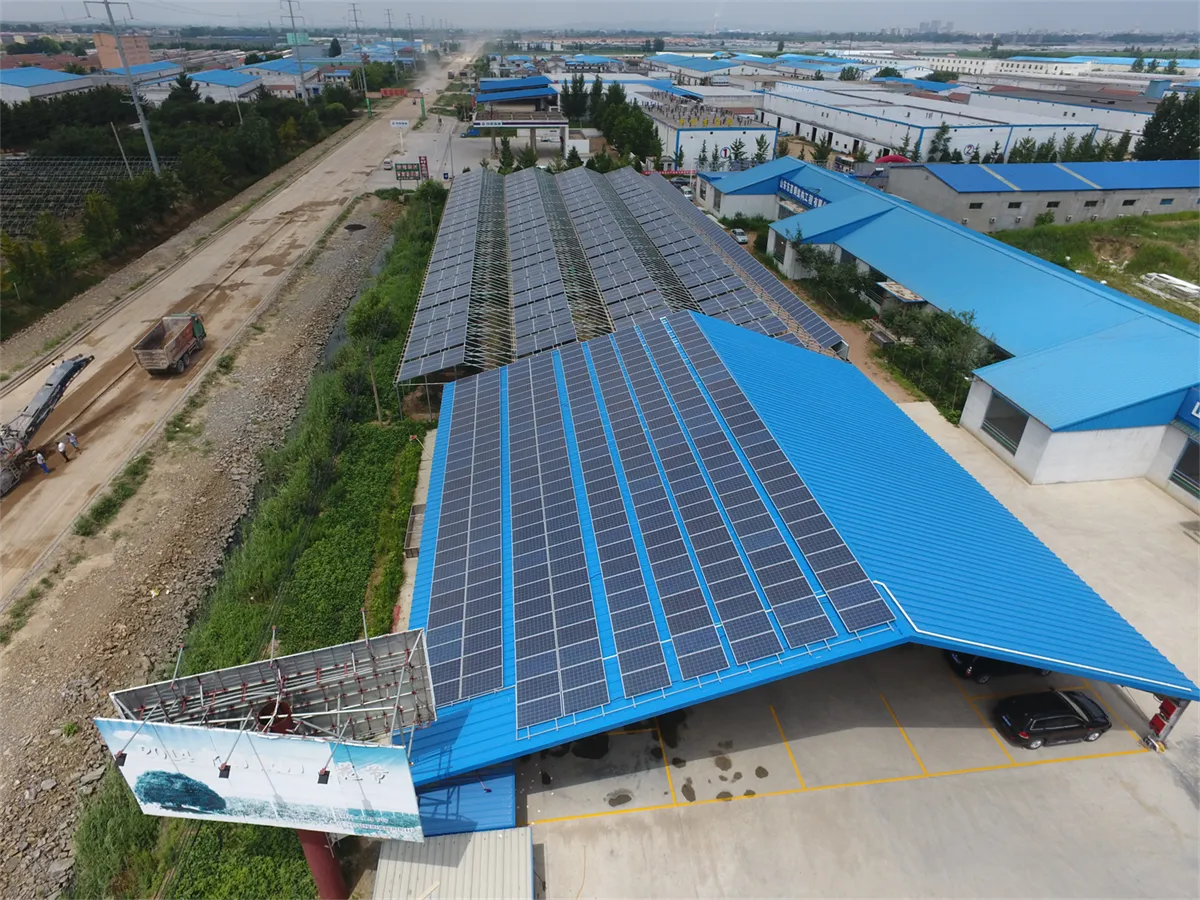
In 2023, a leading Saudi developer set out to build a 10-story commercial complex focused on sustainability. The goal: LEED Gold certification, which required energy-efficient design, recycled materials, and reduced waste. Instead of hiring separate suppliers for solar panels, exterior cladding, and interior finishes, they partnered with a one-stop provider specializing in green building solutions.
The provider's team worked with the architect to integrate solar panels (sourced from a trusted solar panels supplier) with the building's facade, using MCM flexible cladding stone wall panels that reflected heat and reduced cooling costs. Inside, bamboo charcoal board wall panels improved indoor air quality by absorbing moisture and odors, while energy-efficient LED lighting and low-flow sanitary fixtures (from the provider's sanitary fixtures/bathrooms supplier) cut down on water and electricity use. By coordinating these elements upfront, the project reduced construction waste by 30% and achieved LEED Gold certification six months ahead of schedule.
A 300-bed hospital in Jeddah needed to renovate its pediatric wing, with strict requirements for infection control, fire safety, and child-friendly design. The hospital's facilities manager initially considered hiring separate suppliers for fireproof walls, flooring, and medical-grade fixtures—but quickly realized the complexity of coordinating these specialized products.
Enter a one-stop provider with expertise in healthcare projects. The provider recommended Class A fireproof CPL inorganic boards for walls (resistant to bacteria and easy to disinfect) and non-slip terrazzo tiles for flooring (which could withstand heavy equipment and frequent cleaning). They also sourced child-safe bathroom fixtures with rounded edges and low-flow features, and coordinated with the hospital's IT team to install integrated lighting that adjusted based on time of day to reduce patient anxiety.
The result? The renovation was completed in 12 weeks (vs. the projected 16), with zero compliance issues during inspections. "Having one team responsible for everything meant we could focus on patient care, not material delays," said the facilities manager. "It was a game-changer."
Of course, integrating hundreds of products under one umbrella isn't without its challenges. One of the biggest hurdles is maintaining quality across such a diverse range of materials. A provider that excels at exterior cladding might struggle with sourcing high-quality sanitary ware, or vice versa. To address this, leading one-stop providers invest in rigorous supplier vetting: visiting factories, testing products in-house, and building long-term partnerships with manufacturers who share their commitment to quality.
Another challenge is customization. Every project is unique, and clients often want tailored solutions—like custom-colored wall panels or specialized pipe fittings for unique architectural designs. One-stop providers tackle this by offering design consultation services, where experts work with clients to modify standard products or source custom-made ones. For example, a restaurant owner wanting a rustic aesthetic might request PU stone wall panels in a specific texture; the provider's design team can collaborate with the manufacturer to create a one-of-a-kind finish.
Finally, there's the perception that one-stop solutions mean limited choice. Critics argue that relying on a single provider restricts access to niche or artisanal products. But the best one-stop providers counter this by partnering with a network of specialized suppliers—from Swiss stone quarries to local craftsmen—ensuring clients can still access unique materials without sacrificing the benefits of integration. It's about balance: curating options to reduce overwhelm while still offering enough variety to meet individual needs.
As technology advances and sustainability becomes a top priority, the role of one-stop providers is only set to grow. Here are a few trends shaping the future:
Green building isn't a trend anymore—it's a requirement. One-stop providers are increasingly integrating eco-friendly materials into their offerings: solar panels that pair with energy-efficient windows, recycled terrazzo tiles, and bamboo charcoal board wall panels that improve indoor air quality. Some are even offering carbon footprint tracking, helping clients measure and reduce the environmental impact of their projects from start to finish.
Imagine being able to visualize your entire project in 3D, with the ability to swap out materials, adjust colors, and see cost estimates in real time—all through a single app. That's the future one-stop providers are building. By investing in digital tools like BIM (Building Information Modeling) and AI-driven design platforms, they're making it easier for clients to collaborate, make informed decisions, and avoid costly mistakes.
While one-stop providers offer global access to materials (think Swiss stone or Italian porcelain), they're also doubling down on local partnerships. In Saudi Arabia, for example, providers are working with local manufacturers to source materials like PVC pipes and concrete, reducing shipping times and supporting the local economy. This "global-local" approach ensures projects are both culturally relevant and logistically efficient.
From the solar panels that power a home to the sanitary ware that makes a bathroom functional, every material in a building plays a role in creating spaces that feel safe, comfortable, and inspiring. The shift to one-stop architectural solution providers isn't just about simplifying the supply chain—it's about reimagining what's possible when design, technology, and human expertise come together. Whether you're a homeowner renovating a kitchen, a developer building a skyscraper, or a hospital administrator prioritizing patient safety, the message is clear: integration works. It reduces stress, saves time, and leads to better outcomes for everyone involved.
So the next time you walk into a well-built space—a bright school classroom, a sleek office lobby, or a cozy home—take a moment to appreciate the invisible work behind it. Chances are, there's a one-stop provider somewhere in the background, ensuring every piece of the puzzle fits together seamlessly. And in an industry that's always evolving, that's the kind of innovation that truly builds the future.
Recommend Products












