
How a comprehensive supply chain approach saves time, reduces risk, and simplifies project delivery for developers and contractors worldwide
Managing a construction project — whether it is a residential tower, a commercial complex, or a hotel renovation — involves coordinating dozens of material categories, hundreds of product specifications, and a long list of suppliers spread across different regions. Every additional supplier adds a layer of communication, a point of potential delay, and a new set of quality variables to manage. For project managers and procurement teams, the fragmentation of the supply chain is not just an inconvenience; it is a direct threat to timelines, budgets, and final build quality.
This is precisely why the concept of a one-stop architectural solution provider has gained significant traction in global construction markets. Rather than sourcing walls from one vendor, flooring from another, and sanitary fixtures from a third, developers are increasingly turning to integrated suppliers that can deliver across multiple categories under a single point of accountability. The shift is not just about convenience — it is about fundamentally changing the risk profile of construction procurement.
When a project sources materials from ten different suppliers, the procurement team must manage ten separate production schedules, ten quality inspection processes, ten shipping timelines, and ten sets of documentation. The complexity multiplies quickly. A delay in one category — say, custom kitchen cabinets — can cascade into delays across the entire fit-out phase. Discrepancies in color matching between wall panels from one factory and flooring from another can lead to costly rework and client dissatisfaction.
Beyond logistics, fragmented sourcing also creates quality inconsistency. Different factories operate under different standards, different quality control protocols, and different interpretations of specifications. For a project that aims to deliver a cohesive visual and functional result, these inconsistencies are unacceptable. A building material supplier that consolidates multiple categories eliminates these coordination gaps by design.
Key Insight: The real cost of multi-vendor sourcing is not the unit price of materials — it is the management overhead, the risk of misalignment, and the financial exposure created by fragmented accountability. Consolidating suppliers is one of the most effective risk-reduction strategies available to project owners.

Not every supplier that claims to offer "one-stop" service actually delivers on that promise. A genuine one-stop partner must demonstrate depth across categories, not just breadth. It is not enough to list dozens of product types on a website; the supplier must have proven sourcing capability, quality control infrastructure, and international logistics experience for each category it represents.
COLORIA GROUP, headquartered in Foshan, China — one of the world's most concentrated building materials manufacturing hubs — exemplifies this model. The company operates across 13 core product categories, covering everything from interior decoration materials such as wall panels, flooring, and ceiling systems, to exterior solutions including windows and doors, decorative profiles, and even solar panels. Infrastructure products like pipes and fittings, electrical fixtures, elevators, and lighting systems round out a portfolio that genuinely spans the full scope of a construction project's needs.
What sets COLORIA GROUP apart from typical residential building materials supplier operations is the depth within each category. In the walls segment alone, the portfolio includes MCM flexible cladding stone, bamboo charcoal board panels, Class A fireproof CPL inorganic boards suitable for hospitals and schools, porcelain slab tiles, PU stone wall panels, and WPC wall panels. This range means a single project can source wall solutions for lobbies, corridors, bathrooms, and exterior facades — all from one partner.
The sanitary fixtures and bathrooms category is particularly comprehensive, with over 400 products spanning bathroom accessories, vanities, bathtubs and spa systems, taps and shower sets, sauna and steam room equipment, mirrors, kitchen and bathroom sinks, shower enclosures, and toilets including smart toilet models. For hotel developers, this means the ability to specify entire bathroom packages from a single source, ensuring design consistency across hundreds of rooms.
In the customized furniture segment, the company offers kitchen cabinets, wine cabinets, book cabinets, TV cabinets, shoe cabinets, tatami platforms, walk-in closets, sideboards, console cabinets, and laundry units. This category directly supports whole-house customization projects, where developers and homeowners seek a unified aesthetic and functional design across all living spaces.
While decorative finishes are visible to the end user, a building's true quality depends on what lies behind the walls. COLORIA GROUP's pipes and fittings category includes 15 product lines — from UPVC pipes and PVC DWV pipes to PPR and PEX pipe systems, CPVC SCH80 high-pressure piping, PVC-U SCH40 pressure systems, and specialized products like PVC well casing and screen pipes. The variety of international standards supported (ASTM, DIN, IRAM, AS/NZS) reflects the company's global orientation.
The electrical fixtures and cables category covers distribution boxes, switches and sockets, and cabling — the essential infrastructure for any modern building. Meanwhile, the elevators segment includes hospital elevators, home lifts, freight lifts, car lifts, commercial escalators, and moving walks — specialized products that most general building material suppliers do not handle.
An often-overlooked challenge in project procurement is lighting. COLORIA GROUP's lighting category spans 18 sub-categories: shop lighting, hospitality lighting, office lighting, industrial lighting, residential lighting, restaurant lighting, outdoor lighting, magnetic track lights, spotlights, chandeliers and pendant lights, wall lamps, table lamps, light letters, neon lights, strip lights, garden lights, and customized decorative lighting. This range allows a project to specify every luminaire — from the lobby chandelier to the parking garage fixture — through a single procurement channel.
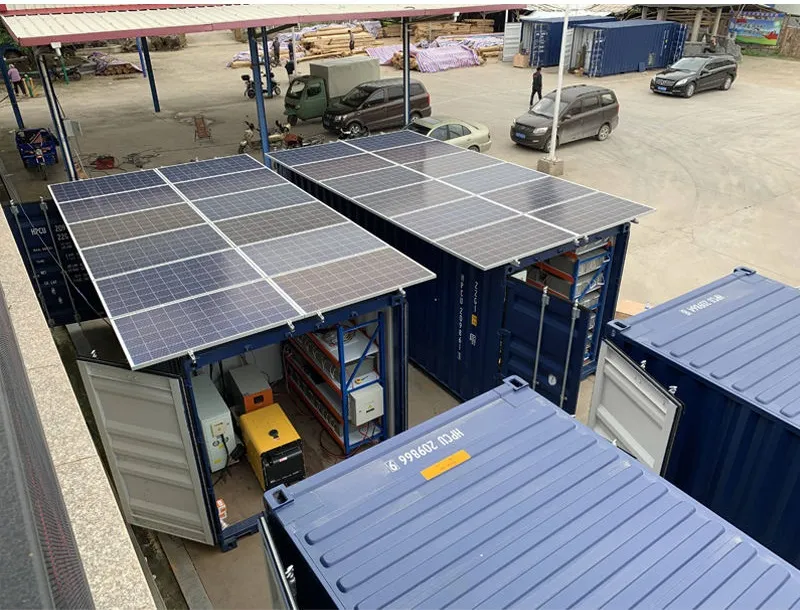
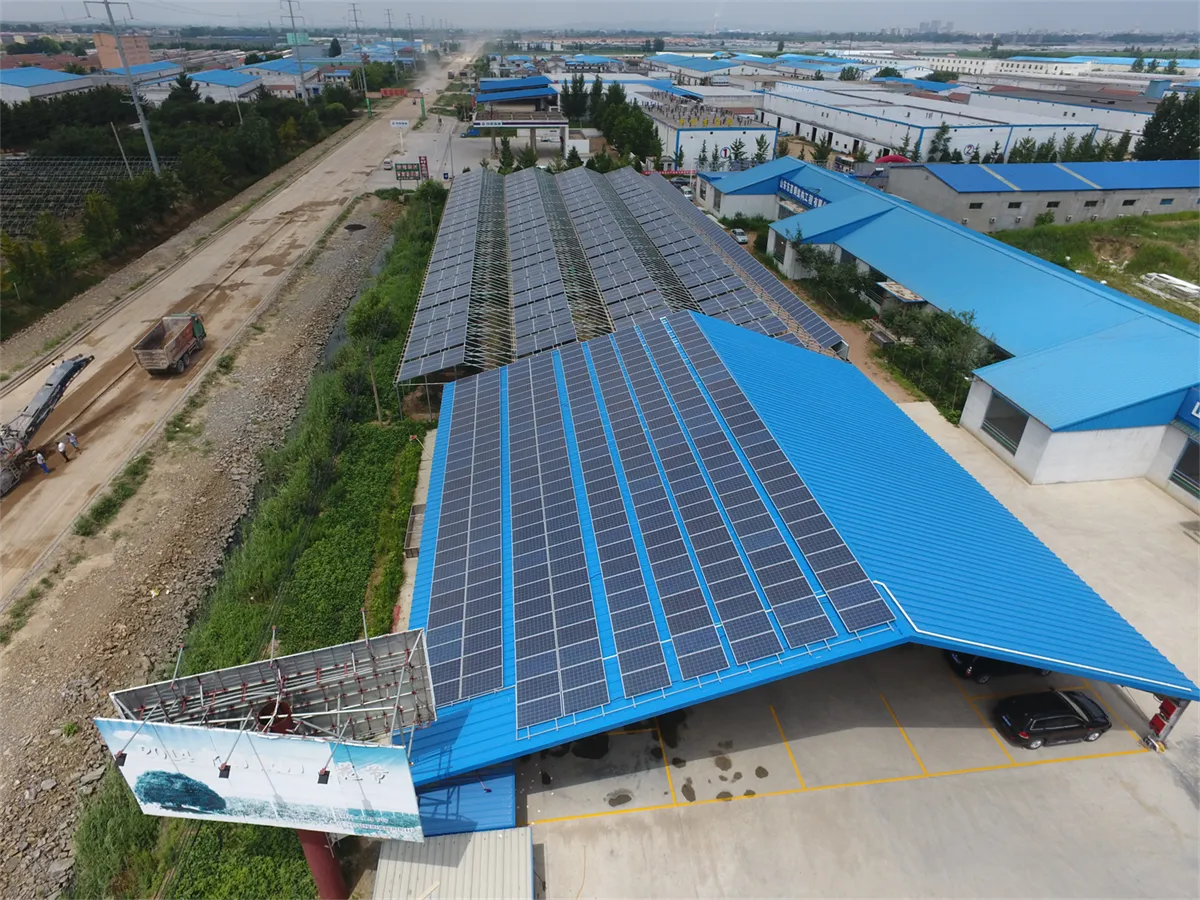
The inclusion of solar panels in the portfolio signals an awareness of where the construction industry is heading. As green building certifications become mandatory in more markets and energy costs continue to rise, the ability to source solar panels alongside traditional building materials positions COLORIA GROUP as a forward-looking partner for sustainable construction projects.
A supplier's manufacturing capability is only half the equation. The other half is the ability to deliver reliably to project sites around the world. COLORIA GROUP maintains an agent office in Saudi Arabia, providing a direct presence in one of the Middle East's most active construction markets. This local foothold means faster response times, better understanding of regional building codes and preferences, and more reliable after-sales support for projects in the Gulf region and beyond.
The Saudi Arabia connection is particularly significant given the scale of ongoing development in the region — from the NEOM megaproject to major hospitality and residential developments across Riyadh, Jeddah, and the Red Sea coast. For contractors and developers operating in these markets, having a supplier with feet on the ground in the Kingdom is a tangible operational advantage.
Consider a mid-sized hotel project requiring wall panels, flooring, ceiling systems, sanitary ware, custom furniture, kitchen appliances, doors and windows, lighting, and electrical fixtures. Sourcing from nine separate suppliers means nine sets of negotiations, nine quality inspections, nine shipping arrangements, and nine payment schedules. Even if each supplier is individually reliable, the coordination burden alone consumes significant management bandwidth.
Consolidating to a single partner that can supply all nine categories transforms the procurement equation. There is one point of contact, one quality standard to validate, one consolidated shipment to coordinate, and one relationship to manage. The time saved in procurement administration alone can compress project timelines by weeks. The consistency of quality across categories — all overseen by a single quality management system — reduces the risk of mismatched materials and rework.
For developers, contractors, and procurement managers evaluating their sourcing strategy, the decision to work with a comprehensive supplier should be driven by a clear-eyed assessment of total project cost — not just the unit price of materials. The question is not whether a specialized supplier might offer a slightly lower price on a single category. The question is whether the aggregate savings in management time, reduced coordination risk, consistent quality, and faster delivery outweigh any marginal price differences.
In most medium-to-large projects, the answer is a clear yes. The value of a single accountable partner who can deliver across walls, flooring, ceilings, sanitary ware, furniture, appliances, doors and windows, pipes, electrical, lighting, elevators, and solar panels is not just in the products themselves — it is in the predictability, simplicity, and confidence that comes with a unified supply chain.
COLORIA GROUP provides comprehensive building material solutions for residential, commercial, and hospitality projects worldwide. With 13 product categories, 560+ products, and a local presence in Saudi Arabia, we help developers and contractors streamline procurement from a single trusted source.
Visit www.coloriagroup.net to explore our full product range, or contact our team at +86-13630185350 (WhatsApp/WeChat) to discuss your project requirements.
Recommend Products












