
Imagine walking through a bustling food processing facility – the hum of machinery, the crisp scent of sanitizer, the gleaming surfaces catching fluorescent light. That gleaming surface? Odds are it's stainless steel, the unsung hero of food safety. For anyone designing food plants, the difference between "cleanable" and "truly sanitary" is the line between passing inspections and risking recalls.
Beyond its clean appearance, stainless steel has an innate superpower: non-porosity. Think of it as an invisible shield. Where other materials trap microscopic food particles and moisture in microscopic crevices, stainless steel offers nowhere for bacteria like Listeria or Salmonella to hide and multiply. Cleaning chemicals can reach every surface and actually work .
This isn't just theoretical – it shows up in swab tests. Facilities that switched to welded stainless steel enclosures report fewer positive pathogen swabs on equipment surfaces post-cleaning. Why? Simple physics: smoother surfaces = fewer biological hitchhikers.
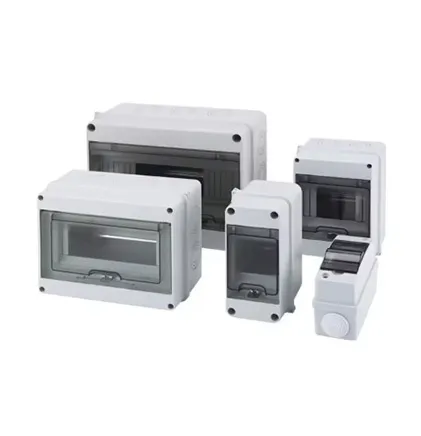
Most folks wouldn't look twice at a junction box in an electrical closet, but in food processing? That grey plastic box could be a contamination time bomb. Here's how stainless steel distribution boxes change the game:
In a dairy processor's CIP room, water vapor and chemical sprays make steel surfaces weep like a cold soda can. Sloped stainless boxes simply shed moisture where flat-bottom plastic units trap mist that mingles with dust – creating "bio-slime" breeding grounds.
Cable jackets crack over time. Standard PVC cracks faster under sanitizer sprays and UV lights in wash bays. Those tiny fissures become pathogen condos. Enter:
Food-Grade Cable Armor :
A snack manufacturer discovered this the hard way after correlating erratic sensor readings to cabling failures. Moisture seeped through cracked jackets, causing short circuits inside vital sanitary equipment monitoring systems. The fix? Upgrading to wash-rated cables doubled reliability between maintenance cycles.
Stainless steel alone isn't magic. How you use it matters:
Eliminate "dead legs". Every conduit run should drain toward its termination point – avoid sagging "bellies" where fluid stagnates. Think like water: design drainage paths first.
Accessibility isn't about ease – it's hygiene. Screwless access doors with tool-free releases let workers get to internals without grabbing wrenches they touched while handling packaging materials. Small touches? Maybe. But they break contamination chains.
Yeah, stainless costs more upfront. But let's talk real numbers:
| Cost Factor | Plastic/Painted Steel | Sanitary Stainless |
|---|---|---|
| Material Costs | $ | $$$ |
| Monthly Sanitation Labor | $$$ (manual scrubbing) | $ (automated washdown) |
| Failure Downtime | High (corrosion/contamination) | Low (20+ year life) |
A mid-size processor documented 28% less sanitation labor hours after upgrading distribution systems. The ROI came from efficiency gains – faster changeovers between product runs without intensive gear scrubbing.
Even perfect hardware fails if teams dread using it. Good sanitary design actually encourages compliance:
Those stainless steel junction boxes and ruggedized cables? They're the silent guardians. Not glamorous, but they convert abstract regulations into tangible protection. When executed thoughtfully:
They transform sanitation from a chore into a predictable process, turn inspectors into allies, and let production teams focus on crafting great products – not containment strategies. Now that's food engineering at its finest.
Recommend Products












